Professional solutions for private water supplies, hard water, heating efficiency and indoor air quality. DryZone tests first, diagnoses accurately and installs the right system for long-term performance.
We don’t guess or install off-the-shelf solutions. DryZone uses testing and system diagnosis to deliver water treatment, heating and ventilation solutions that actually solve the problem.
Most problems with water, heating or ventilation don’t come from the equipment itself, but from incorrect system selection. Installing the wrong solution can lead to poor performance, higher costs and ongoing issues.
DryZone takes a different approach. We start with testing and technical diagnosis, identify the real cause of the problem and then specify the right system for your property.
Water Treatment Systems
Water Treatment Systems
Engineered Solutions Based on Water Analysis and System Requirements.
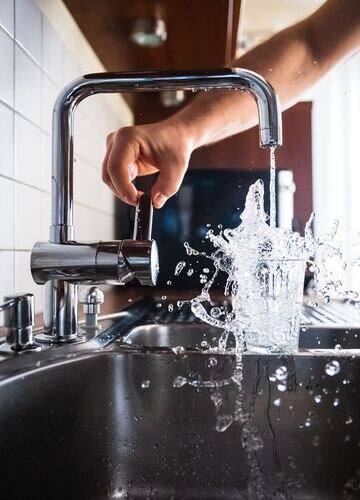
Water quality problems vary significantly depending on the source, composition and distribution system. Issues such as hardness, iron, manganese, nitrates, bacterial contamination or poor taste and odour cannot be addressed with a single universal filter.
DryZone designs water treatment systems based on detailed water analysis and system-specific requirements. This approach ensures that each installation is technically appropriate, correctly sized and capable of delivering consistent long-term performance under real operating conditions.
Why Generic Water Treatment Systems Often Fail
Many water treatment installations fail not because of poor equipment, but due to incorrect system selection, insufficient pre-treatment or improper configuration. Installing a softener where iron is present, or applying UV disinfection without adequate filtration, can result in reduced efficiency, system fouling or complete failure.
A correctly designed system considers water chemistry, flow rate, pressure conditions and contamination type — ensuring each treatment stage works effectively as part of an integrated solution.
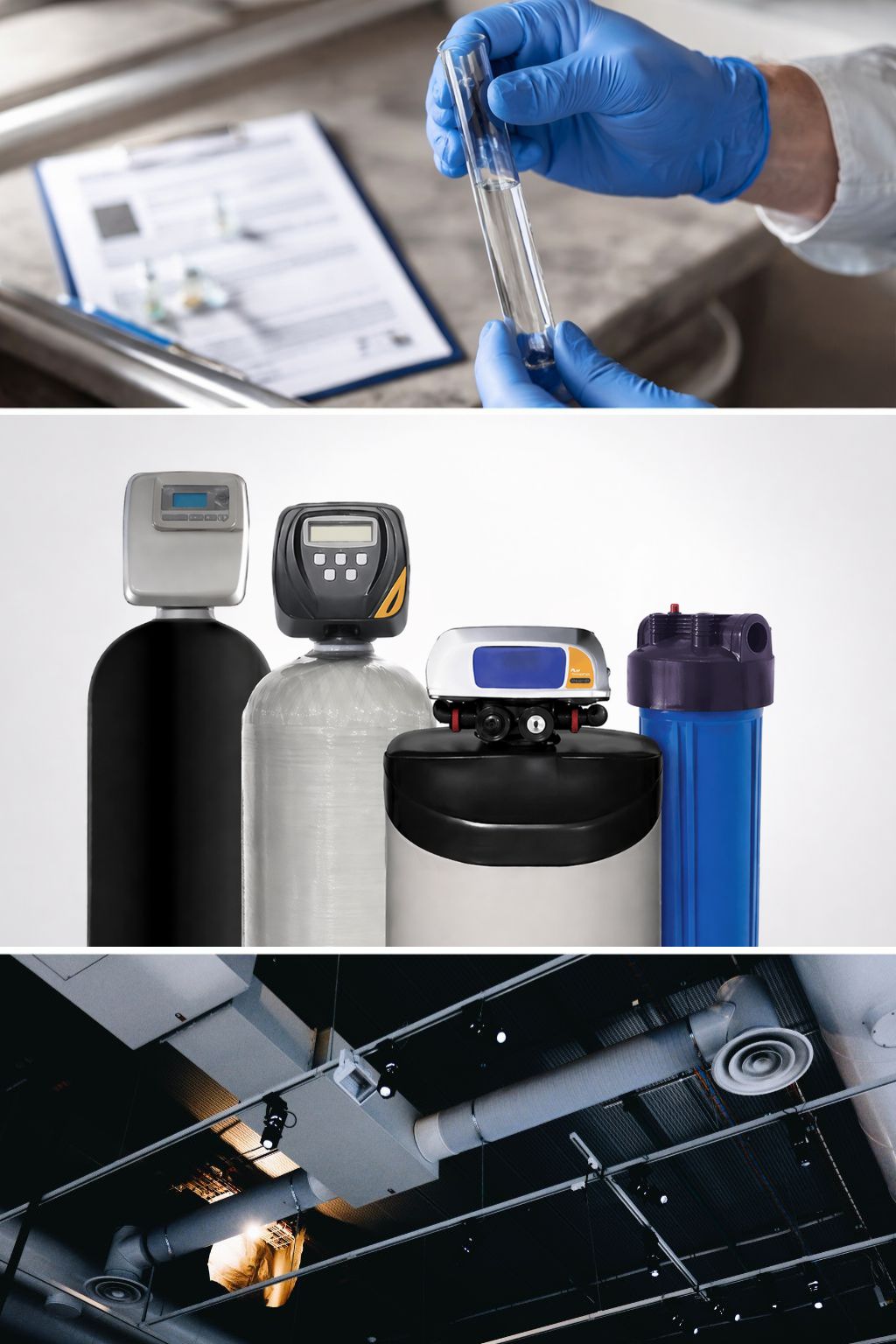
Whole-House Filtration
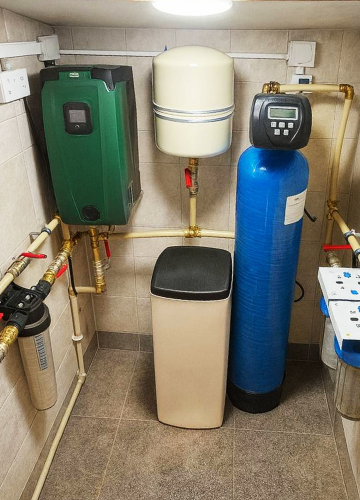
Multi-stage filtration systems designed to remove suspended solids, sediment, chlorine, organic compounds and taste/odour contaminants. These systems typically combine sediment pre-filtration with activated carbon or media filtration depending on water characteristics.
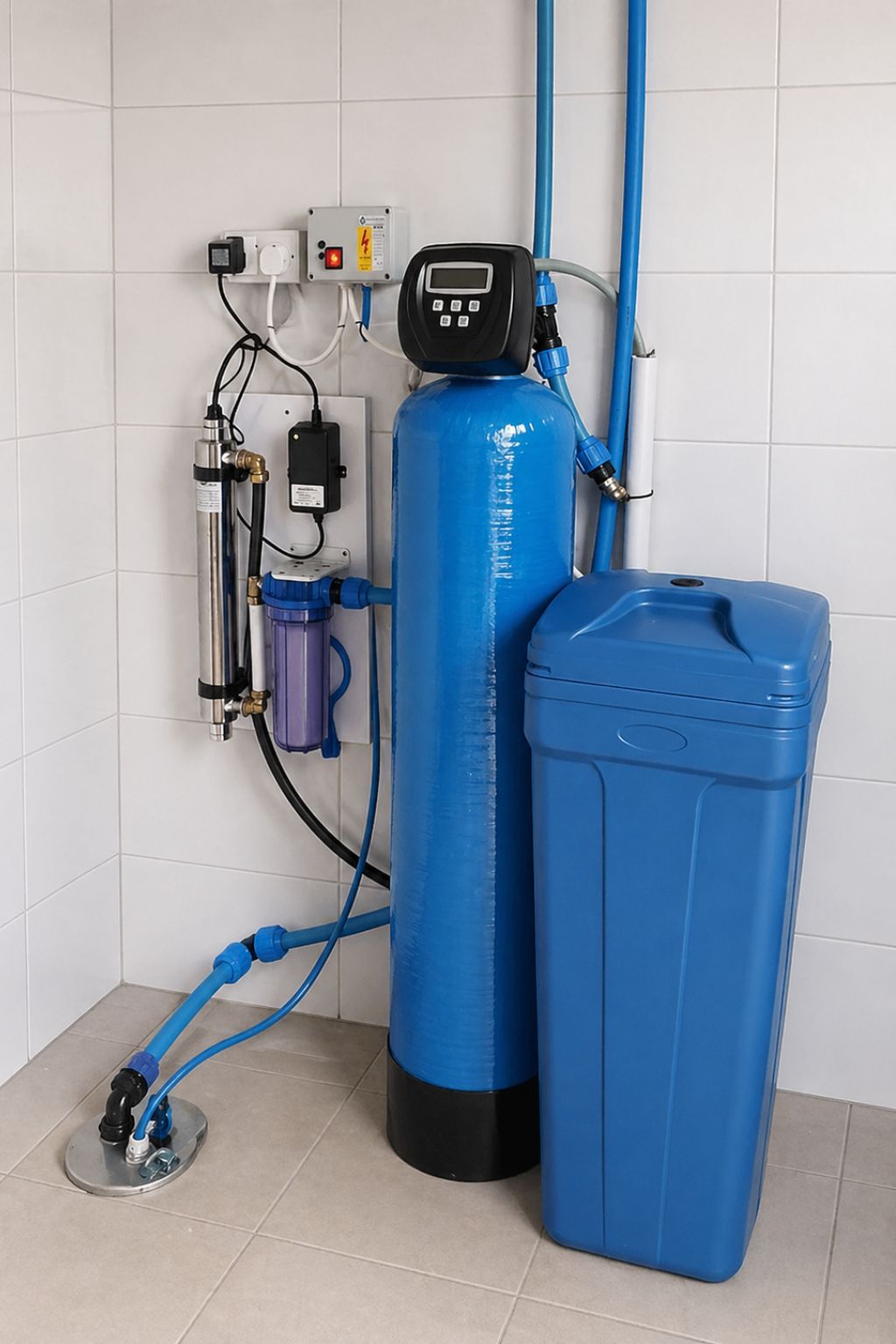
Water Softeners
Ion-exchange systems designed to remove calcium and magnesium ions responsible for limescale formation. Proper sizing, resin capacity selection and regeneration configuration are critical to ensure efficiency and avoid excessive salt consumption or channeling within the media bed.
UV Water Disinfection
Ultraviolet disinfection systems used to inactivate bacteria, viruses and microorganisms. Effective operation depends on pre-filtration, correct UV dosage and flow rate control to ensure sufficient exposure time and prevent shielding by turbidity or particulates.
Iron, Manganese and Nitrate Removal
Specialised treatment systems designed for problem water sources, particularly private wells. These solutions may involve oxidation, media filtration, ion exchange or reverse osmosis depending on contaminant levels and water chemistry.
Applications and Examples of Use
Water treatment systems are selected based on the specific characteristics of particular types of facilities and water sources, including private wells, rural properties, residential homes, and commercial buildings. Each application requires customized treatment strategies depending on water quality, usage patterns, and system load.
System Design, Efficiency and Performance — Not Just Equipment
Heating performance is determined by system design, heat demand and correct integration of components rather than the heating unit alone. Many properties experience uneven heating, excessive energy consumption or system inefficiencies due to incorrectly specified or poorly balanced systems.
DryZone evaluates the full heating system, including heat loss, distribution method, flow rates and control strategy to ensure the selected solution operates efficiently and reliably under real conditions.
Why Heating Systems Often Underperform
In many cases, heating issues are caused by incorrect system sizing, poor hydraulic balancing or incompatibility between heat sources and distribution systems. Installing a heat pump without adjusting emitters, flow temperatures or insulation levels can lead to poor efficiency and insufficient heat output.
A properly designed system considers thermal load, emitter capacity, flow temperature and control logic — ensuring consistent comfort and optimal energy performance.
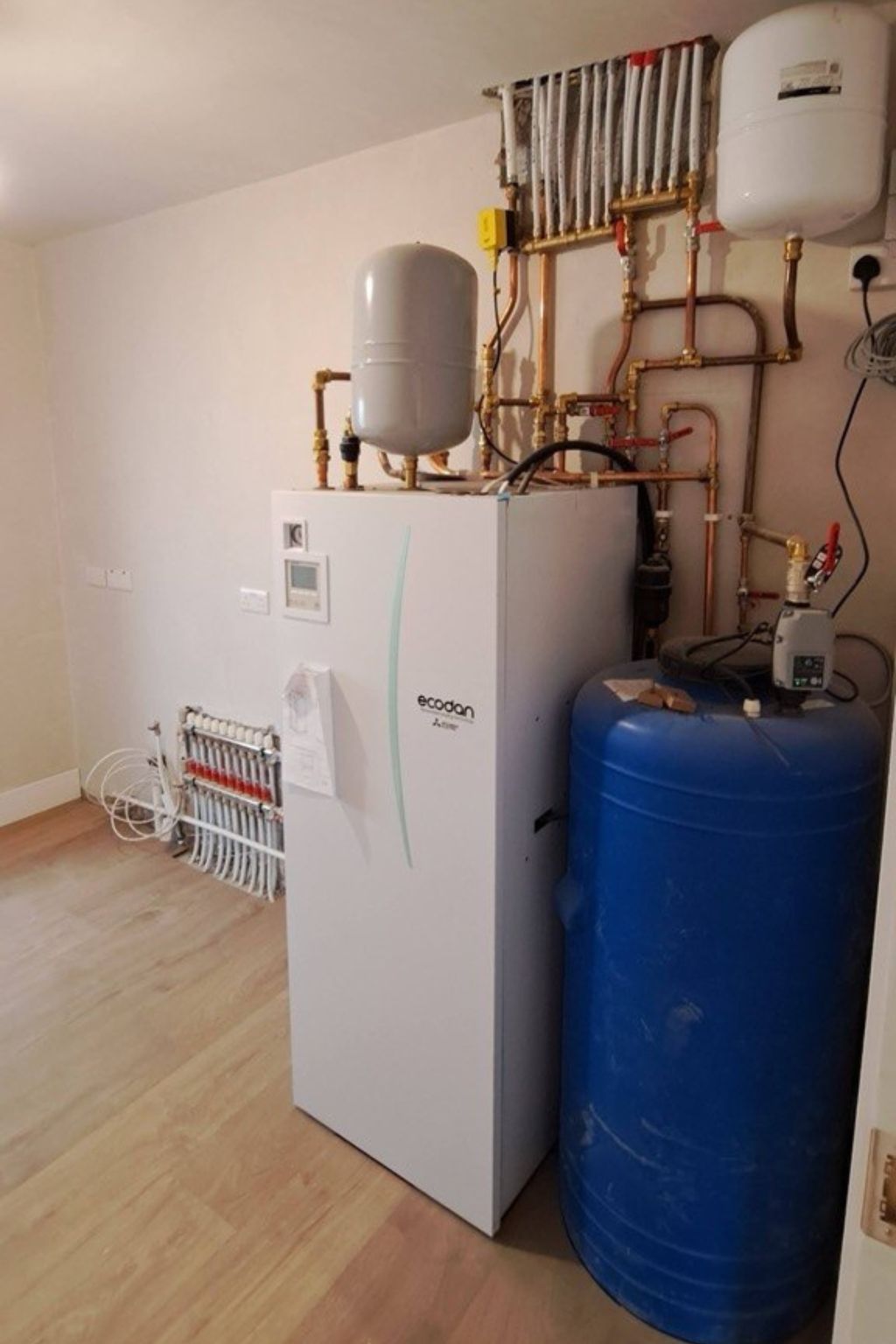
Heat Pump Systems
Low-temperature heating systems designed for energy efficiency and long-term performance. Successful implementation depends on accurate heat loss calculations, appropriate emitter sizing and correct system configuration to operate at lower flow temperatures without compromising comfort.
Heating System Upgrades
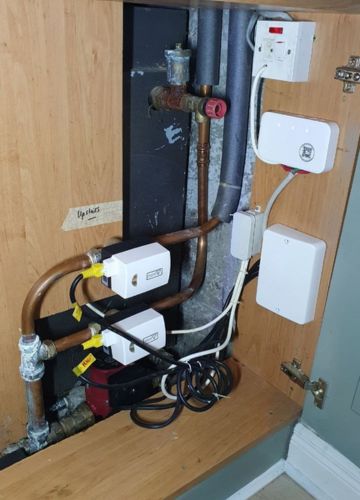
Targeted improvements to existing heating systems, including emitter upgrades, hydraulic adjustments and control optimisation. These upgrades can significantly improve efficiency and performance without requiring full system replacement.
Heating Performance Diagnostics
Technical evaluation of system performance, including flow rates, temperature differentials and system balance. Diagnostics identify inefficiencies, distribution issues and configuration problems before major changes are made.
System Design and Integration
A heating system must be designed as an integrated system where the heat source, distribution network and control strategy work together. Incorrect integration can result in cycling losses, poor efficiency and uneven heat distribution.
DryZone ensures that all system components are properly matched and configured to deliver stable and efficient operation across different usage conditions.
Control Systems and Energy Efficiency
Modern heating systems rely on intelligent control strategies, including zoning, weather compensation and load-based modulation. Proper control configuration ensures that the system operates only when needed and at the required output level, reducing energy consumption and improving comfort.
Applications and Property Types
Heating systems are tailored to different property types, including modern insulated homes, older buildings and renovation projects. Each requires a different approach based on insulation levels, system layout and heating demand.
Planning a heating upgrade or considering a heat pump system?
Airflow, Moisture Control and Indoor Air Quality — Engineered as a System
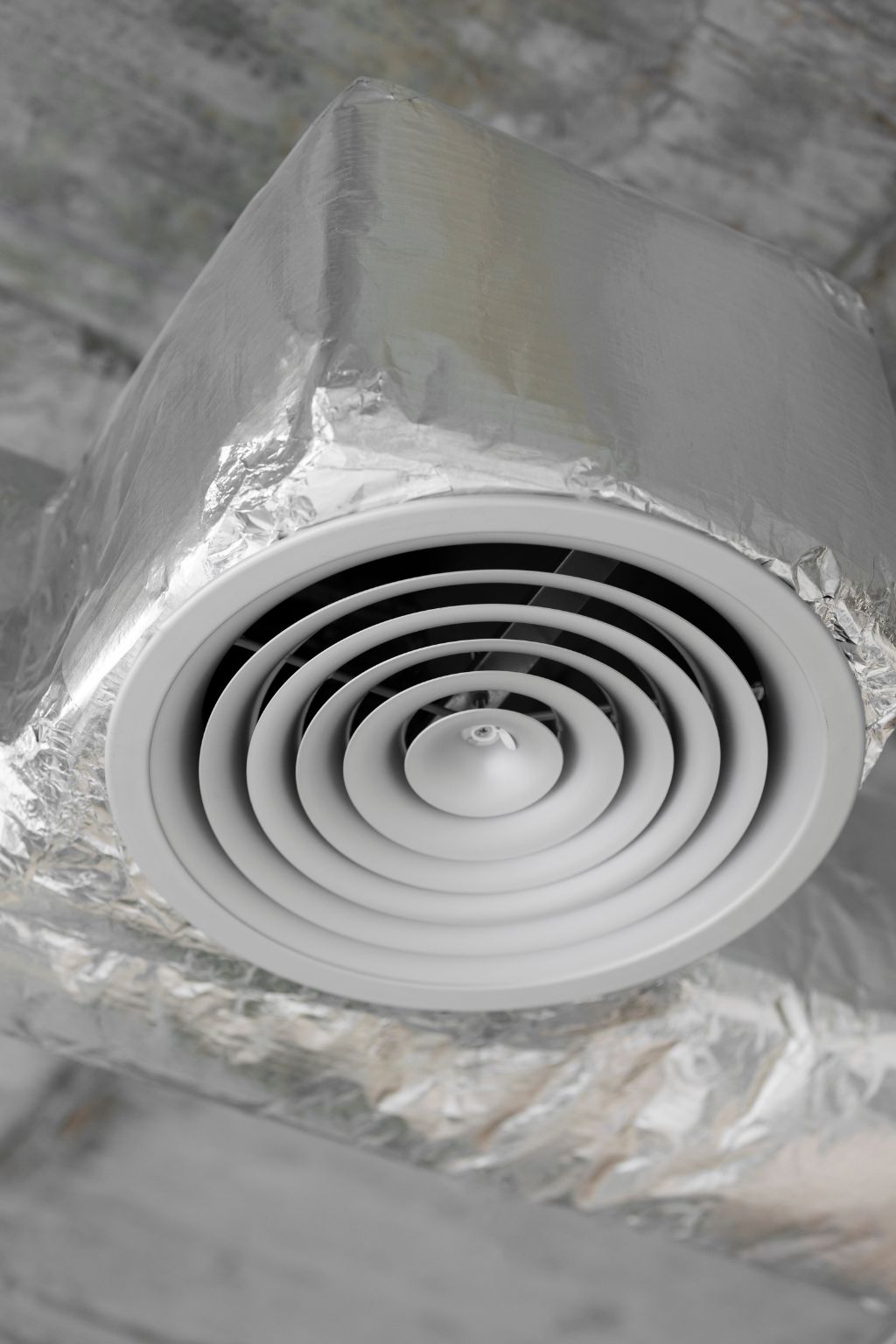
Ventilation is a critical yet often overlooked aspect of a home’s energy efficiency. Insufficient air circulation and uncontrolled humidity can lead to condensation, dampness, mold growth, and poor indoor air quality.
DryZone analyzes airflow patterns, humidity levels, and the condition of the building to ensure that the selected ventilation system provides balanced air exchange, regulates humidity, and improves the overall indoor microclimate.
Why Ventilation Problems Are Often Misdiagnosed
Condensation and damp issues are frequently mistaken for insulation or heating problems, while the root cause is insufficient or unbalanced ventilation. Simply increasing heating or adding insulation without addressing airflow can worsen moisture accumulation.
Effective ventilation design considers air movement, extraction rates and humidity control to ensure moisture is removed before it leads to structural or health-related issues.
MEV Systems (Mechanical Extract Ventilation)
Continuous extraction systems designed to remove moisture-laden air from kitchens, bathrooms and utility areas. Proper airflow balancing and extraction rates are essential to prevent negative pressure issues and ensure effective moisture removal.
HRV Systems (Heat Recovery Ventilation)
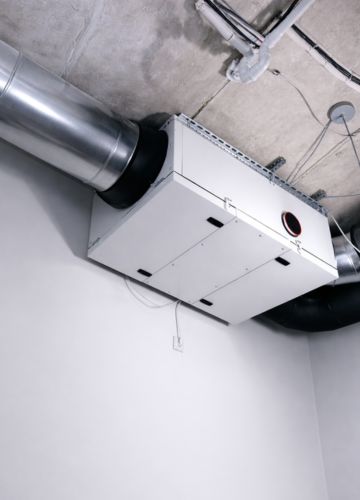
Balanced ventilation systems that supply fresh air while recovering heat from extracted air. Correct design requires consideration of duct layout, airflow rates and system balancing to maintain efficiency and indoor comfort.
Integration with Heating Systems and Building Envelope
Ventilation performance is closely linked to insulation levels, airtightness and heating system behaviour. A properly designed system integrates with these elements to maintain comfort while preventing heat loss or moisture accumulation.
Experiencing condensation, damp or poor air quality?
Request a ventilation assessment to identify the right solution for your home.
Accurate Data Before System Selection — No Guesswork
Selecting a water treatment system without proper testing often leads to incorrect system specification, unnecessary costs and unresolved water quality issues. Different contaminants require different treatment approaches, and without accurate data, systems are frequently misapplied.
DryZone provides professional water testing and system diagnostics to determine the exact characteristics of your water and identify the most appropriate treatment strategy.
Why Water Testing is Essential
Water can contain a wide range of dissolved minerals, contaminants and microorganisms that are not always visible or detectable by taste. Hardness, iron, manganese, nitrates and bacterial contamination each require specific treatment methods.
Without testing, there is a high risk of selecting an ineffective system or over-specifying unnecessary equipment. Accurate testing ensures that the chosen solution directly addresses the actual problem.
What We Test For
Water testing can include a combination of chemical and microbiological parameters depending on the source and identified risks. Typical analysis may include hardness levels, iron and manganese concentration, nitrate presence, pH balance, turbidity and bacterial contamination.
The scope of testing is determined based on property type, water source and observed symptoms.
Pre-Installation Diagnostics
Before installing any treatment system, DryZone evaluates water quality, flow rate, pressure conditions and system requirements. This ensures that the selected system is correctly specified and capable of operating effectively under real conditions.
Post-Installation Verification
After installation, follow-up testing can be carried out to confirm that the system is performing as intended. This step ensures that contaminants are effectively reduced or eliminated and that the system is operating within expected parameters.
Why Systems Fail Without Proper Testing
Many water treatment failures are caused by incorrect assumptions about water quality. Installing UV disinfection without adequate pre-filtration, or selecting a softener for water containing high iron levels, can result in reduced performance or system failure.
Testing eliminates these risks by providing the data required for correct system design.
Water testing is particularly important for private well supplies, rural properties and any property experiencing unexplained water quality issues. It is also recommended before installing new treatment systems or upgrading existing installations.
Identifying the Root Cause Behind System-Related Issues
Not all plumbing issues are isolated faults. Recurring leaks, pressure fluctuations or inconsistent system behaviour often indicate underlying problems within the water or heating system.
DryZone provides technical diagnostics to identify the root cause of these issues and determine the correct corrective action. Instead of relying on assumptions, specialised diagnostic equipment is used to accurately locate faults before repair work begins.
Leak and Pressure Diagnostics
Hidden leaks, pressure drops and system imbalances can significantly affect system performance. Accurate diagnosis involves pressure testing, inspection and evaluation of system behaviour under operating conditions.
Pipework and System Analysis
Pipework configuration, restrictions or incorrect installations can impact both water treatment and heating performance. Technical analysis identifies faults that may not be visible but affect overall system operation.
System Interaction Issues
Problems may arise when different systems interact incorrectly, such as water treatment systems affecting pressure conditions or heating systems experiencing flow restrictions. Diagnostics ensure compatibility and proper operation between systems.
Diagnostic Tools and Methods
To accurately identify hidden faults and system issues, DryZone uses specialised diagnostic equipment including:
Acoustic leak detection equipment for locating hidden leaks in pipework
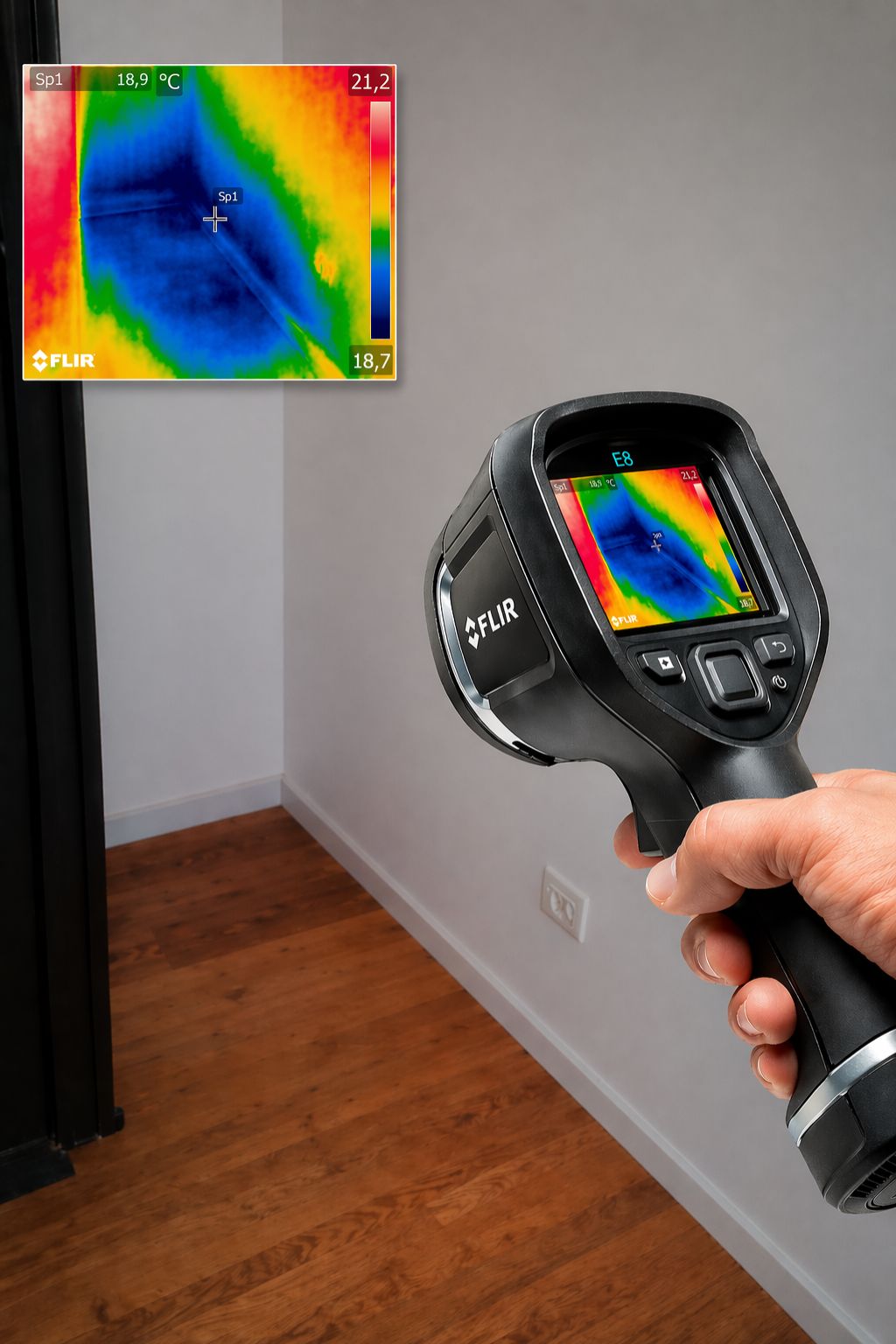
Thermal imaging cameras for detecting moisture behind walls, floors and concealed spaces
Inspection cameras for analysing pipes and hard-to-reach areas
System pressure and flow diagnostics to evaluate real operating conditions
This approach allows problems to be identified quickly and accurately before any repair or modification work begins.
Experiencing ongoing issues that keep returning?
Request a diagnostic assessment to identify the real cause and avoid temporary fixes.
Optimisation, Control and Maintenance of Existing Systems
In addition to the design and installation of core systems, certain services are necessary to maintain their operational readiness, improve efficiency, and ensure long-term reliability.
DryZone offers a range of support services focused on optimizing, managing, and maintaining your facility’s systems, rather than performing general repair work.
Smart Heating Systems
Modern heating systems benefit from advanced control strategies, including zoning, programmable controls and load-based operation. Smart control systems allow precise temperature management across different areas of the property, improving comfort while reducing unnecessary energy consumption.
Correct configuration and integration with the existing system are essential to ensure that controls operate efficiently without causing short cycling or system instability.
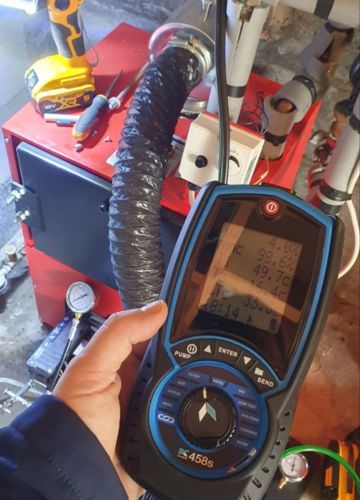
Oil Boiler Service
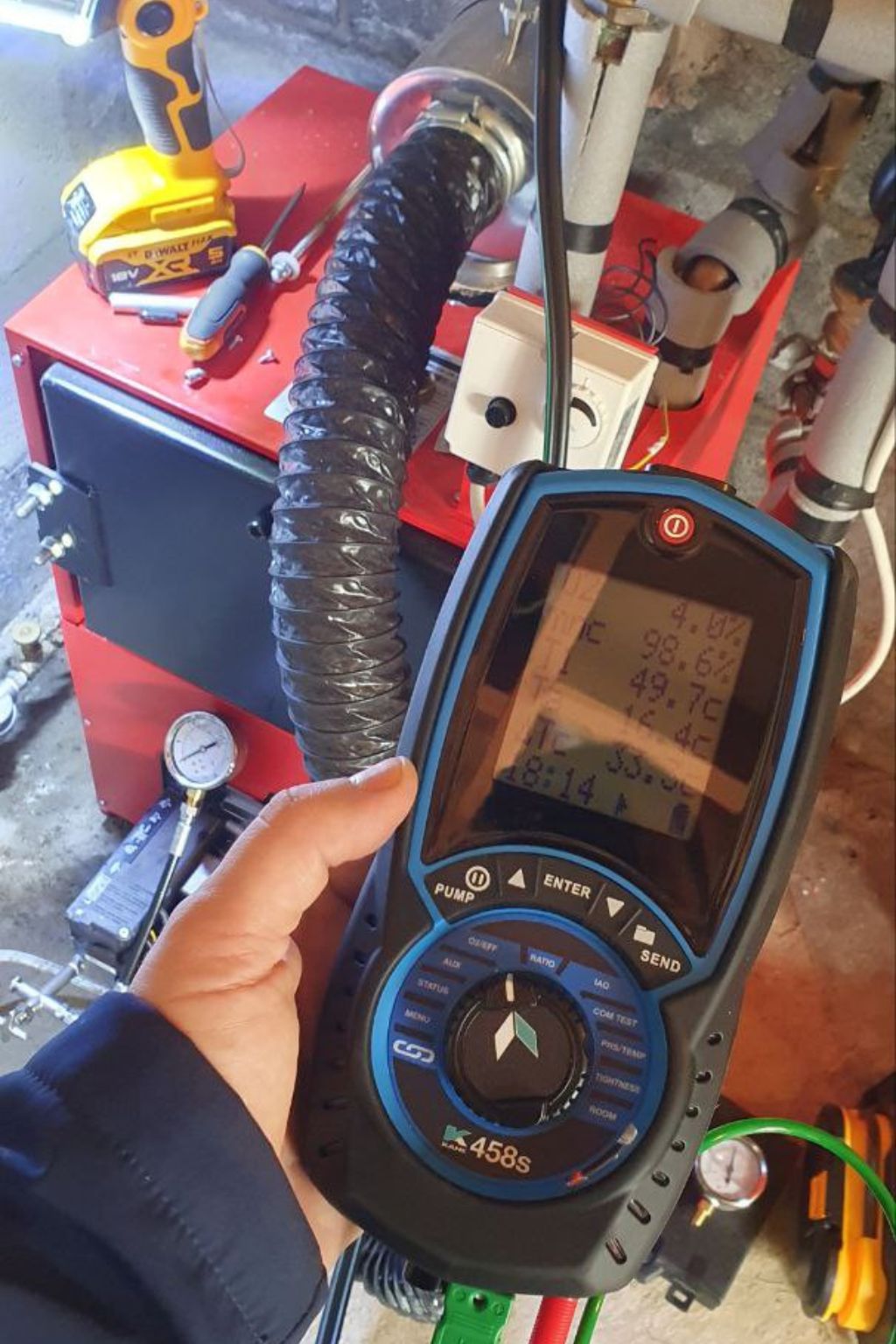
For properties that rely on oil-based heating, regular servicing is essential to maintain safe and efficient operation. This includes combustion checks, component inspection and system performance assessment.
The focus is on maintaining system reliability and efficiency rather than providing general repair services.
Would you like to upgrade or maintain your existing heating system?
Schedule a consultation to identify opportunities for optimization and improved performance.
Our Process
From Testing to a Working System — Done Properly
This approach helps avoid incorrect installations, unnecessary costs and ongoing system problems.
01
Testing
We start with water testing or system assessment to understand the real conditions and identify any underlying issues before recommending a solution.
02
Diagnosis
Based on the results, we identify the root cause of the problem and determine what type of system or adjustment is actually required.
03
System Solution
We specify the right system or combination of technologies tailored to your property — ensuring correct performance, not guesswork.
04
Installation and Verification
The system is installed correctly and, where required, tested to confirm it is working as intended and delivering the expected results.
Why Homeowners Choose DryZone?
Specialist Approach. Proven Results. Local Expertise.
DryZone works with homeowners who need reliable solutions for water quality, heating performance and ventilation issues. Every project is approached with technical understanding, accurate diagnosis and correctly specified systems.
We focus on long-term performance rather than quick fixes — ensuring systems work as intended and continue to deliver results over time.
Specialist Experience Focused on water treatment, heating systems and ventilation — not general plumbing or renovation services.
Local Service Areas Serving Clare, Limerick, Shannon, Ennis and surrounding areas with local knowledge and fast response.
Testing and Diagnostics First We identify the real problem before recommending any system — avoiding incorrect solutions and unnecessary costs.
Built for Long-Term PerformanceSystems are selected and installed to perform reliably over time, not just immediately after installation.
Testimonials
Sabrina
DryZone (Administrator)
There is a popular English saying, 'Measure twice, cut once,' which means to double-check everything before taking action to avoid making mistakes and wasting time.
Doing something right the first time saves time, effort, and resources. When a task is completed correctly the first time, there is no need to redo it, which means less time and effort spent on correcting errors. Moreover, it helps to maintain a positive reputation, build trust, and increase customer satisfaction, which is crucial for the success of any business or project. Overall, investing time and effort to ensure that things are done right the first time is a wise decision that pays off in the long run.
Маksim
DryZone (CEO)
The customer will be completely satisfied if the project is completed on time and within the allocated budget. However, what is required to achieve this goal?
The success of project execution relies heavily on the expertise and professionalism of the carefully selected employees. A well-defined implementation plan, consensus on the selection of materials and pricing, and effective communication with the customer throughout the construction process are crucial factors in completing the project within the given timeframe.
Start with testing or request a tailored system solution for your home
Whether you’re dealing with water quality issues, heating inefficiency or ventilation problems, the right solution starts with proper understanding.
Choose the option that fits your situation — testing for clear answers or a consultation for a system recommendation.
Get the Right System — Not a Guess
Request a Quote? Tell us about your project and get a tailored recommendation for your home system.
To provide the best experiences, we use technologies like cookies to store and/or access device information. Consenting to these technologies will allow us to process data such as browsing behavior or unique IDs on this site. Not consenting or withdrawing consent, may adversely affect certain features and functions.
Functional
Always active
The technical storage or access is strictly necessary for the legitimate purpose of enabling the use of a specific service explicitly requested by the subscriber or user, or for the sole purpose of carrying out the transmission of a communication over an electronic communications network.
Preferences
The technical storage or access is necessary for the legitimate purpose of storing preferences that are not requested by the subscriber or user.
Statistics
The technical storage or access that is used exclusively for statistical purposes.The technical storage or access that is used exclusively for anonymous statistical purposes. Without a subpoena, voluntary compliance on the part of your Internet Service Provider, or additional records from a third party, information stored or retrieved for this purpose alone cannot usually be used to identify you.
Marketing
The technical storage or access is required to create user profiles to send advertising, or to track the user on a website or across several websites for similar marketing purposes.





 2023/ All Rights Reserved