Articles by: DryZone

Water Testing Made Simple: Results and Health Risks

When you receive a water test report, it can often feel confusing or overly technical. Numbers, abbreviations and unfamiliar terms may leave you wondering: Is my water safe to drink? and Do I need to take action?

This guide explains the most common water testing parameters — from pH levels to bacteria — in clear, simple terms, so you can understand what’s really in your water and what the results mean for your health, home or business.


Why Understanding Water Test Results Matters

A professional water test provides valuable information about safety, quality and compliance, but the results are only useful if you understand them. Poor water quality can affect your health, damage plumbing and appliances, and in some cases lead to compliance issues — especially for private wells, rental properties or care facilities.

Knowing how to read your report helps you make informed decisions about treatment, filtration or further testing.


pH Level – Is Your Water Acidic or Alkaline?

pH measures how acidic or alkaline your water is on a scale from 0 to 14.

  • Ideal drinking water pH: 6.5 – 8.5
  • Low pH (acidic): Can corrode pipes and release metals like lead or copper
  • High pH (alkaline): May cause scaling, poor taste and reduced effectiveness of disinfection

While pH itself is not usually a direct health risk, it plays a major role in how water interacts with your plumbing system.


Hardness – Calcium & Magnesium

Water hardness is caused by calcium and magnesium.

  • Hard water is common across many parts of Ireland
  • It is not harmful to health
  • Can cause limescale in kettles, boilers and heating systems
  • Reduces efficiency of appliances and increases energy costs

If hardness levels are high, a water softener or scale control system may be recommended.


Bacteria – E. coli & Coliforms

Bacterial testing is one of the most critical parts of any water analysis.

  • E. coli: Indicates faecal contamination and an immediate health risk
  • Total coliforms: Suggest problems with system hygiene or water ingress

Bacteria can enter water through:

  • Private wells
  • Storage tanks
  • Low-use pipework
  • Poorly maintained systems

Any positive bacterial result means the water is not safe to drink until corrective action is taken.


Nitrates & Nitrites – A Common Rural Risk

Nitrates often enter water supplies through agricultural runoff or septic systems.

  • Safe limit for nitrates: 50 mg/L
  • High levels are especially dangerous for infants and pregnant women
  • Common issue in private wells and rural areas

Long-term exposure to elevated nitrates can pose serious health risks and requires treatment.


Metals – Lead, Copper, Iron & Manganese

Metal contamination usually comes from old plumbing or corroded fittings.

  • Lead: No safe level for long-term consumption
  • Copper: Can cause stomach upset at high levels
  • Iron & manganese: Affect taste, colour and staining

According to Irish standards, lead should not exceed 10 µg/L. Even small amounts can be harmful over time.


Turbidity, Colour, Taste & Odour

These are known as physical indicators of water quality.

  • Cloudy or coloured water may hide bacteria or sediment
  • Unusual taste or smell can indicate chemical or biological issues
  • Sudden changes should always trigger further testing

Even if water looks clear, it can still contain invisible contaminants — which is why testing is essential.


What Happens If Your Water Fails?

If any parameter exceeds Irish or EU safety limits, a professional water test report should include:

  • Clear explanation of the issue
  • Whether it is a health or compliance risk
  • Practical recommendations for treatment or correction

Solutions may include system flushing, disinfection, filtration or pipe upgrades, followed by retesting to confirm safety.

Why Professional Testing Matters

At DryZone, we provide professional water testing services in the counties of Limerick, Clare, Galway, and Tipperary. With clear, easy-to-understand reports and practical advice you can trust. Whether you rely on a private well or mains supply, understanding your water quality is the first step to keeping it safe.

👉 Learn more about our water testing services or request a custom test package today.
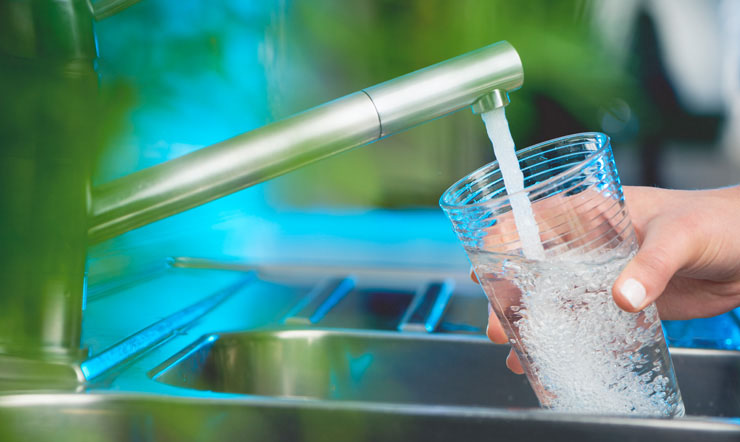
clear tap water filling glass – test tap water quality

3 Easy Ways to Test Tap Water Quality at Home

Many Irish homes still rely on private wells or ageing plumbing systems. Even if your tap water looks clear, it doesn’t always mean it’s safe. Minerals, bacteria, or corrosion can quietly affect both your health and your home. Before you drink another glass straight from the tap, learn how to test tap water quality in simple ways — no laboratory needed.


Read More
Laboratory analysis of water

Water Testing Isn’t a Luxury — It’s the First Step to Safe Filtration

It’s the First Step

Water. Clear, cool, seemingly perfect. We trust it — to drink, to cook with, to bathe our children. But what if behind this trusted flow lies more than meets the eye? Excess iron, nitrates, bacteria, or even radon — all of it can be hiding in the water you use every day.

That’s why at DryZone, we always start with one essential step: a professional water test.
It’s not an extra. It’s the smart beginning.


Why Is Water Testing So Important?

Every drop of water tells a story. Sometimes it’s a good one. Sometimes, not so much. A lab test is the only way to know for sure.

Water testing helps you:

    • Understand what’s really in your water — from iron and hardness to bacteria, nitrates, or radon
    • Identify risks to your health — especially for children, seniors, or people with sensitivities
    • Choose the right filtration system based on real data, not guesswork
    • Avoid wasting money on filters that don’t solve the actual problem

Testing your water is like seeing a doctor before starting treatment — diagnose first, then act.


Why You Should Never Choose Filters Blindly

Choosing a water filter without testing is like fixing a car without checking under the hood. It might run — but not for long.

Here’s what often happens when filters are installed without analysis:

    • The water still smells like sulfur — because the filter wasn’t built to remove it
    • Limescale disappears, but the water starts tasting metallic
    • You buy expensive equipment — only to discover it’s not even needed

At DryZone, we believe filters should never be a shot in the dark.
They should be a precise solution to a known problem.


How Often Should You Test Your Water?

Water changes — with the seasons, the soil, and the systems it flows through.

We recommend testing:

    • When connecting to a new well or borehole
    • Once a year — even if your water seems fine
    • After plumbing work, pump replacement, or filter changes
    • When household needs change — like having a baby or caring for elderly parents

Think of water testing as your home’s health check-up — it brings peace of mind.


Why DryZone Is the Right Partner

At DryZone, we don’t just test your water. We listen to it — through data, experience, and tailored advice.

What makes us different:

    • Mobile testing lab — we come directly to your home in Clare, Limerick, Galway, and Tipperary
    • Professional testing for water and radon using certified equipment
    • Straightforward, honest recommendations based on your results — no guesswork
    • Installation of filtration systems based on your actual water composition
    • Ongoing support — including follow-up tests and servicing

We’re here to help you live with confidence in the water you drink, cook with, and bathe in — every single day.


In Closing

Clean water isn’t a luxury — it’s your peace of mind. It’s that calm moment when you pour a glass of water. That safety when you wash your toddler’s hands. That comfort in knowing your home is protected.

And it all starts with one simple, powerful step: a water test.

Contact DryZone today. Let’s help your water speak clearly — and give you a solution that truly works.


Plumbing servoce

Plumbing Work: When You Can DIY and When It’s Best to Call a Professional

Plumbing is an essential part of any home, especially in older houses across Limerick, Shannon, and Ennis. While some minor issues can be fixed with basic tools and know-how, there are many situations where professional help is the smarter — and safer — choice. That’s where DryZone comes in, offering a full range of plumbing services tailored to the needs of homeowners in the region.


Read More
oil boiler maintenance

Oil Boiler Malfunctions: Subtle Signs That Are Easy to Miss

Oil boilers have long been recognized as reliable heat sources in homes across Ireland. Their resilience to climate changes, including humid weather and temperature fluctuations, makes them a popular choice in private homes and cottages. However, even the most robust heating systems are subject to wear and tear. The most insidious are those malfunctions that occur unnoticed—without obvious operational failures or alarming signals.


Read More
repair of oil boilers

Oil Boiler Servicing – A Smart Decision at the End of Winter!

Winter in Ireland may be milder than in continental Europe, but it can still put home heating systems to the test. If you live in Limerick or the surrounding areas, your oil boiler has been working tirelessly to keep your home warm and comfortable. But what will happen when the next heating season arrives? Will your system be just as reliable as it is now?


Read More
comfortable heating

Heat on schedule: a heating system in a smart home

Imagine a cold November morning, and you wake up in a warm house that has warmed up just before you woke up. This is a smart home that independently regulates the temperature for ideal comfort at the right time.
Today, smart heating systems are becoming increasingly popular among homeowners due to the combination of comfort and savings. Let’s figure out how it works and what its advantages are.


Read More