
Water Treatment Compliance in Ireland
Clean water is essential — but true water safety goes beyond clarity or taste. Water treatment compliance means your system is properly tested, correctly designed, and consistently performing as it should — helping you avoid unexpected issues, meet inspection requirements, and maintain safe conditions for everyday use.
At DryZone, we approach compliance as a complete, evidence-based process — from testing and system design to verification and ongoing servicing. We deliver clear results, measurable outcomes, and the documentation needed to support compliance with Irish water standards and HSE expectations across Clare, Limerick, Galway, and Tipperary.
What Does Water Treatment Compliance Mean?
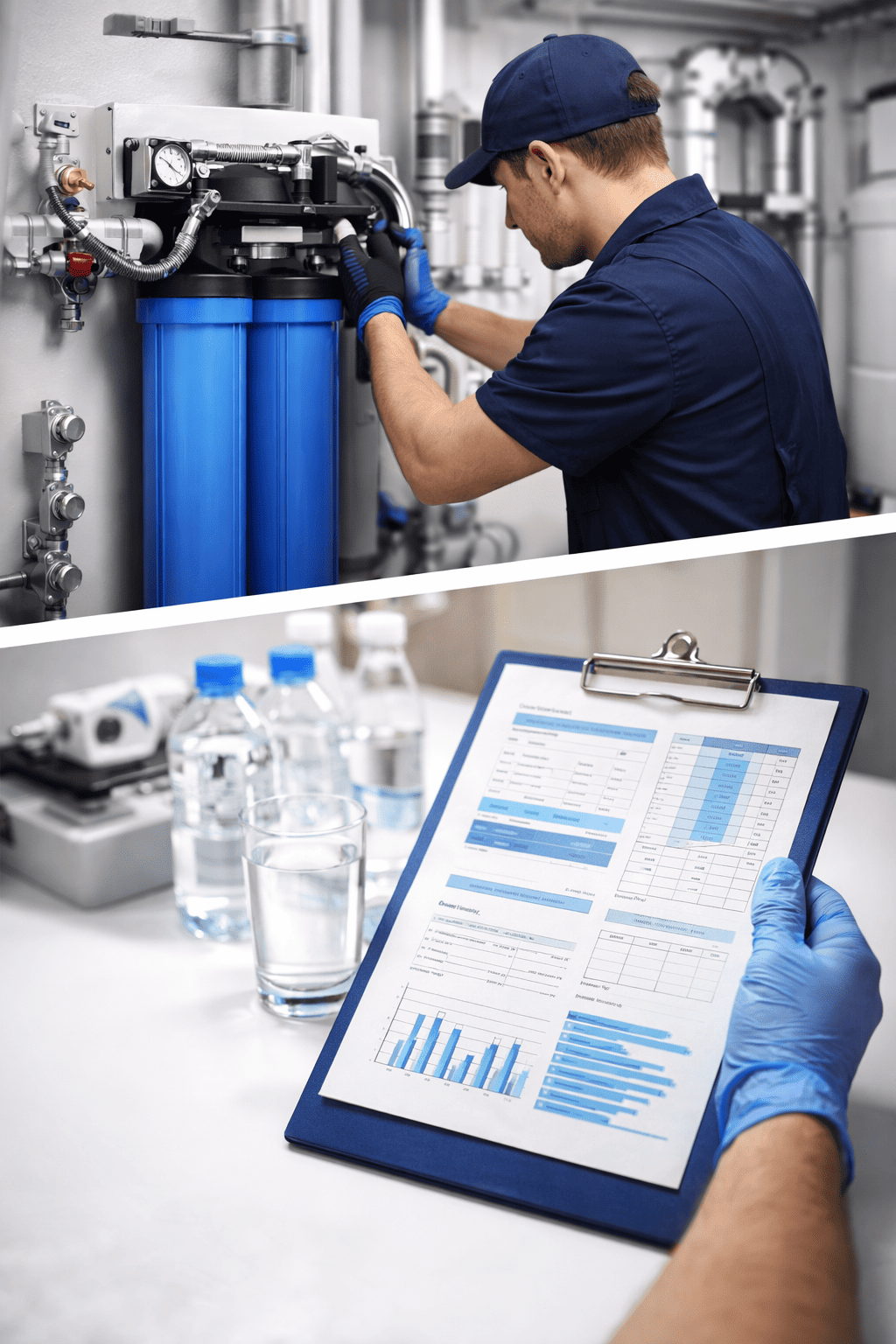
Water treatment compliance means ensuring that your water is not only treated, but properly assessed, managed, and verified over time. It’s a structured approach that combines accurate testing, correct system selection, and ongoing monitoring to confirm that your water remains safe and suitable for its intended use.
In practice, compliance is not achieved by installing a filter alone. It involves understanding the specific characteristics of your water, identifying any risks, and applying the right treatment solution based on real data. Just as importantly, it includes verifying that the system is working effectively after installation and maintaining it through regular servicing.
For property owners, landlords, and businesses, water treatment compliance also means having clear documentation — including test results, system specifications, and service records — that demonstrate your water system is being properly managed. This provides confidence not only for you, but also for tenants, customers, staff, and anyone relying on your water supply.

Who Needs Water Treatment Compliance?
Water treatment compliance is important for anyone responsible for the safety, reliability, and performance of a water supply. Below are the most common property types where a structured compliance approach is especially valuable:
Where Water Treatment Compliance Is Most Important
| Property Type | Why Compliance Matters |
|---|---|
| Commercial Properties (hotels, restaurants, food production) | Ensures consistent water quality for customers, protects equipment, and supports smooth daily operations |
| Schools & Childcare Facilities | Protects vulnerable groups and provides documented assurance of water safety |
| Healthcare & Care Environments | Requires reliable water quality control and ongoing monitoring to reduce health risks |
| Farms & Agricultural Sites | Helps manage variable private water supplies and supports livestock health and productivity |
| Landlords & Rental Properties | Provides clear records, reduces liability, and demonstrates responsible property management |
| Private Well Owners | Ensures water is regularly tested and treated, even when not legally required |
By taking a structured approach to water treatment compliance, property owners and businesses can move from uncertainty to confidence — knowing their water system is properly tested, treated, and maintained over time.
Common Compliance Risks in Water Systems
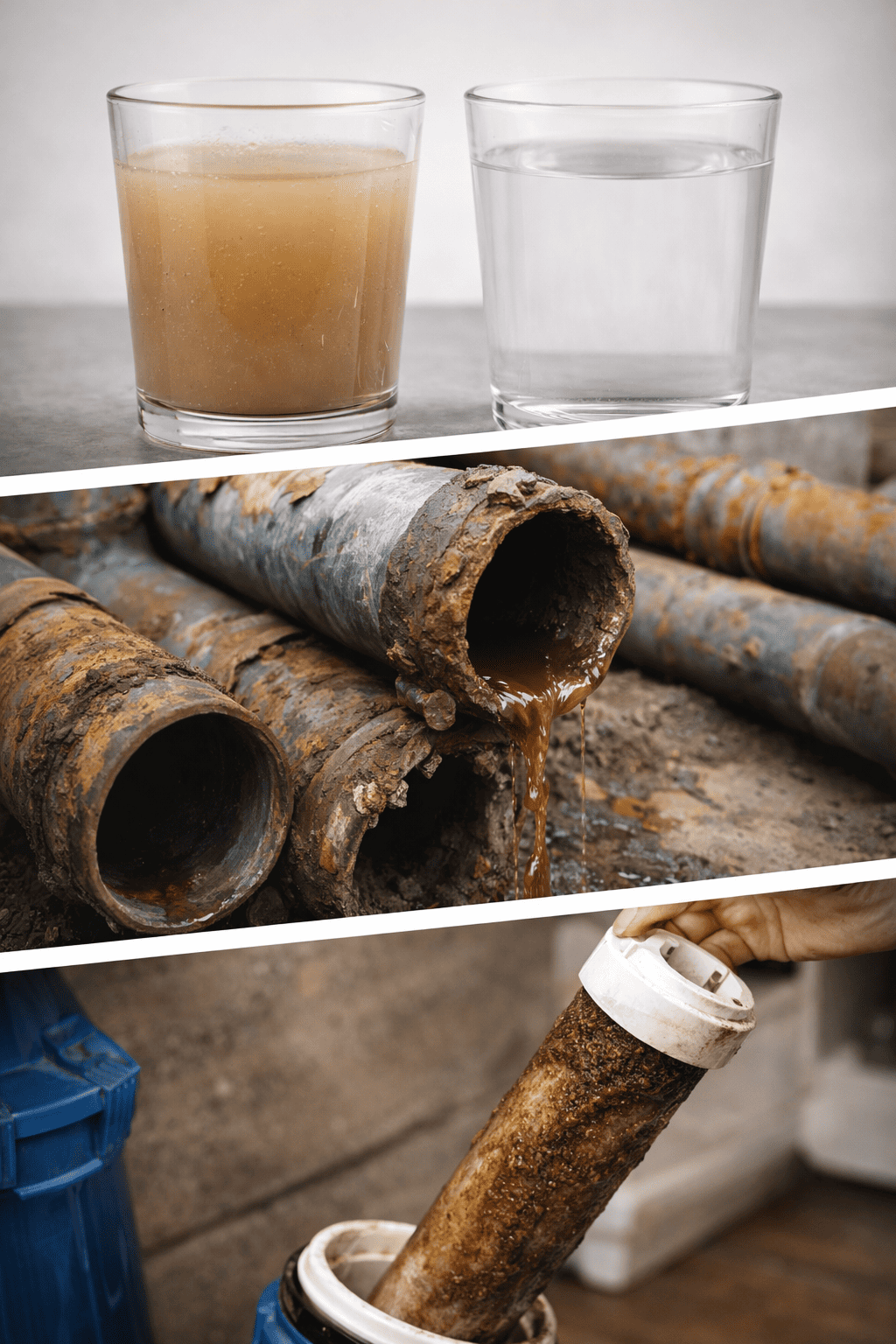
Even when a water treatment system is in place, compliance issues can still arise if the system is not properly managed, monitored, or matched to actual water conditions. Below are the most common risks and how they affect real-world water systems.
| Risk Area | Typical Cause | Real-World Impact | How to Prevent It |
|---|---|---|---|
| Bacterial Contamination | Inadequate disinfection or lack of system maintenance | Potential health risks and unsafe water despite treatment being installed | Regular microbiological testing and correct UV/system servicing |
| Incorrect System Selection | No water testing or generic system choice | Water issues remain unresolved or only partially treated | Design systems based on detailed water analysis |
| No Post-Installation Verification | System installed without follow-up testing | No confirmation that water quality has improved | Verify results with post-installation testing |
| Irregular Servicing | Missed filter changes, expired UV lamps, or poor maintenance | Gradual decline in water quality and system performance | Follow a scheduled maintenance plan |
| Changes in Water Quality | Seasonal or environmental changes (especially in private wells) | Previously effective systems may no longer perform correctly | Periodic re-testing and system adjustments |
| Lack of Documentation | No records of testing, servicing, or system setup | Inability to demonstrate proper water management or compliance | Maintain clear reports and service logs |
| Incorrect System Sizing | System not matched to usage or property requirements | Reduced efficiency, higher costs, or incomplete treatment | Ensure correct system design based on demand |
Taking a compliance-based approach means addressing each of these risks as part of a complete process — not as isolated issues. With proper testing, system design, verification, and ongoing servicing, water treatment becomes predictable, effective, and fully accountable.

The Core Stages of Water Treatment Compliance
Water treatment compliance is not achieved through a single action, but through a structured process. Each stage plays a critical role in ensuring that water is properly assessed, treated, and maintained over time. When one of these steps is missing, the reliability of the entire system can be affected.
At DryZone, we follow a clear, evidence-based approach to ensure every system is both effective and fully accountable:
A structural approach to water treatment
| Stage | What Happens | Why It Matters |
|---|---|---|
| Water Testing | Detailed analysis of water quality, including chemical and microbiological parameters | Provides accurate data to guide treatment decisions |
| Risk Assessment | Evaluation of test results based on how the water is used (drinking, commercial, agricultural) | Ensures the right issues are prioritised and addressed |
| System Design & Selection | Choosing the correct treatment solution based on water data and property needs | Prevents under-treatment or unnecessary system complexity |
| Professional Installation | Correct setup of all system components for optimal performance | Ensures the system operates reliably from the start |
| Post-Installation Verification | Follow-up testing after installation to confirm results | Provides clear proof that the system is working effectively |
| Servicing & Monitoring | Ongoing maintenance, filter changes, and periodic re-testing | Maintains long-term system performance and water quality |
| Documentation & Records | Recording test results, servicing history, and system details | Creates a clear compliance trail and supports accountability |

Documentation That Supports Compliance
Water treatment compliance is not only about achieving good water quality — it’s also about being able to demonstrate it. Clear, structured documentation provides proof that your water system has been properly tested, correctly installed, and consistently maintained over time.
For property owners, landlords, and businesses, this documentation creates transparency and confidence. It also ensures that, if required, you can clearly show how your water is being managed and supported.
Key Documents in a Compliance-Based Approach
| Document | What It Includes | Why It Matters |
|---|---|---|
| Water Test Report | Laboratory or on-site analysis of water quality before treatment | Identifies risks and provides the foundation for system design |
| Post-Installation Verification Report | Follow-up testing results after system installation | Confirms that the treatment system is working effectively |
| System Specification | Details of the installed equipment and configuration | Provides clarity on how the system is designed and operates |
| Service & Maintenance Log | Record of servicing, filter changes, and system checks | Demonstrates ongoing care and supports long-term reliability |
| Monitoring & Testing Records | Periodic water test results over time | Tracks changes in water quality and system performance |
| Maintenance Agreement (if applicable) | Planned servicing schedule and responsibilities | Ensures systems are regularly maintained without gaps |
Why Documentation Matters
Having the right documentation in place means you’re not relying on assumptions — you have clear, recorded evidence of how your water system is performing. This is especially valuable for:
-
businesses responsible for customers or staff
-
landlords managing rental properties
-
facilities with ongoing operational or safety requirements
It also makes ongoing water management simpler, as all key information is organised, accessible, and easy to understand.

Water Compliance Regulations in Ireland
Water quality and treatment requirements in Ireland are guided by national regulations and health standards, particularly for private water supplies and commercial properties. Property owners and business operators are responsible for ensuring that water used on-site is safe, properly managed, and supported by appropriate testing and maintenance.
For commercial settings such as hotels, rental properties, farms, schools, and food production facilities, water systems may also need to align with HSE recommendations and industry-specific standards. This can include regular water testing, system monitoring, and maintaining records that demonstrate ongoing compliance.
While not every property is subject to the same level of regulatory control, a structured compliance approach helps ensure that water systems remain consistent, documented, and suitable for their intended use.
What You Receive After a Compliance Assessment
A professional water compliance assessment provides clear, structured documentation that supports safe operation, informed decisions, and long-term system reliability.
Compliance Documentation Overview
| Document / Output | What It Includes | Why It Matters | Best For |
|---|---|---|---|
| Water Safety Documentation | System overview, key risks, and recommended control measures | Helps you understand your water system and manage potential risks effectively | All properties, especially private water supplies |
| Pre-Installation Water Quality Report | Detailed test results (bacteria, nitrates, iron, hardness) | Ensures the correct treatment system is selected based on actual water conditions | Homes, farms, commercial properties |
| Post-Installation Verification Report | Follow-up testing confirming system performance | Confirms that the installed system is working as intended | Businesses, landlords, regulated environments |
| Compliance Summary & Risk Notes | Identified compliance issues, risks, and recommended actions | Supports alignment with Irish water regulations and HSE guidance | Commercial properties, rental properties |
| Annual Compliance Support (If Required) | Periodic reviews and updated documentation | Helps maintain consistent compliance and system performance over time | Hotels, schools, farms, food production |

Why Testing Alone Is Not Enough
Water testing is an essential first step — but on its own, it does not solve water quality issues. While a test can identify what is present in the water, it does not ensure that the right treatment is selected, properly installed, or consistently maintained over time.
In many cases, problems arise not because testing was skipped, but because the process stopped there. A report without action, or a system installed without proper verification, can leave underlying issues unresolved.
Effective water treatment compliance requires more than a single result. It depends on how that information is used — from selecting the correct system to confirming its performance and maintaining it over time.
Where Testing Alone Falls Short
-
No clear action plan — test results are available, but there is no structured approach to resolving identified issues
-
Incorrect treatment choice — systems selected without proper interpretation of results may not fully address the problem
-
Lack of verification — without post-installation testing, there is no confirmation that water quality has improved
-
No ongoing monitoring — water conditions can change, but without re-testing, issues may go unnoticed
-
Missing maintenance — even effective systems require servicing to continue performing as expected
From Testing to Full Compliance
A compliance-based approach connects each step — from testing to system design, verification, and servicing — into one continuous process. This ensures that water quality is not only measured, but actively managed and consistently maintained.
By moving beyond one-off testing and focusing on the full lifecycle of water treatment, property owners and businesses gain something far more valuable than a report — they gain confidence that their water system is working as it should.
How DryZone Approaches Water Treatment Compliance
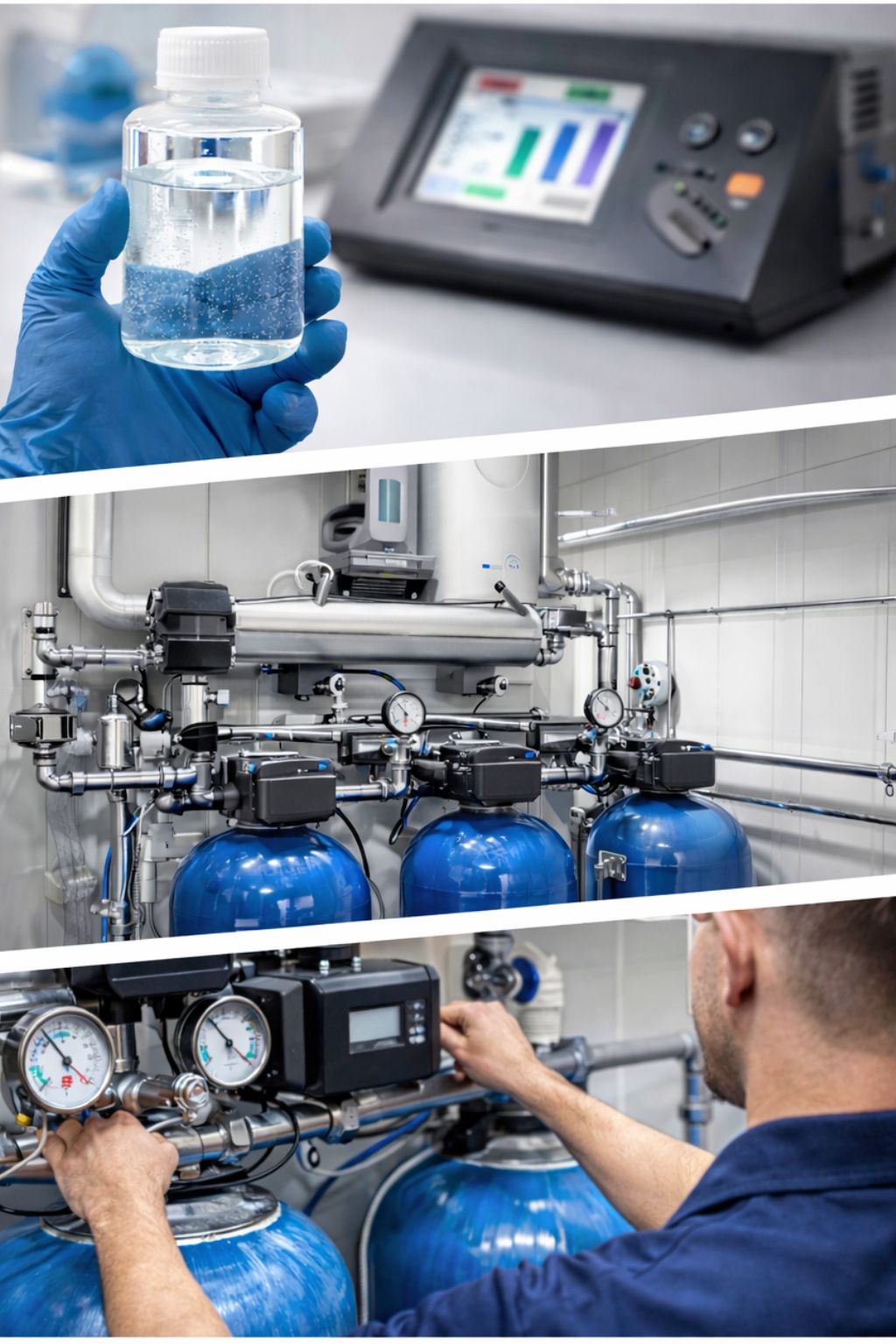
At DryZone, water treatment compliance is approached as a complete, evidence-based process — not a one-off service or a single installation. Our focus is on delivering reliable results that can be clearly verified, supported, and maintained over time.
Rather than applying generic solutions, we start with understanding your water. Every recommendation is based on actual test data, ensuring that the treatment system is properly matched to your specific conditions and requirements.
A Complete, Structured Approach
We guide each project through a clear and accountable process:
-
Test before any system is installed — ensuring decisions are based on accurate data
-
Design solutions around real water conditions — not assumptions or standard packages
-
Install systems correctly and efficiently — with a focus on long-term performance
-
Verify results after installation — confirming that water quality has improved
-
Provide ongoing servicing and support — helping maintain consistent system performance
What Makes Our Approach Different
Many water treatment providers focus on individual steps — often installation alone. At DryZone, we ensure the entire process is connected, verified, and supported.
-
-
No guesswork — every decision is based on real water testing
-
No incomplete solutions — systems are verified after installation
-
No gaps in performance — ongoing servicing ensures consistent results
-
No uncertainty — clear documentation supports every stage
-
Local Expertise You Can Rely On
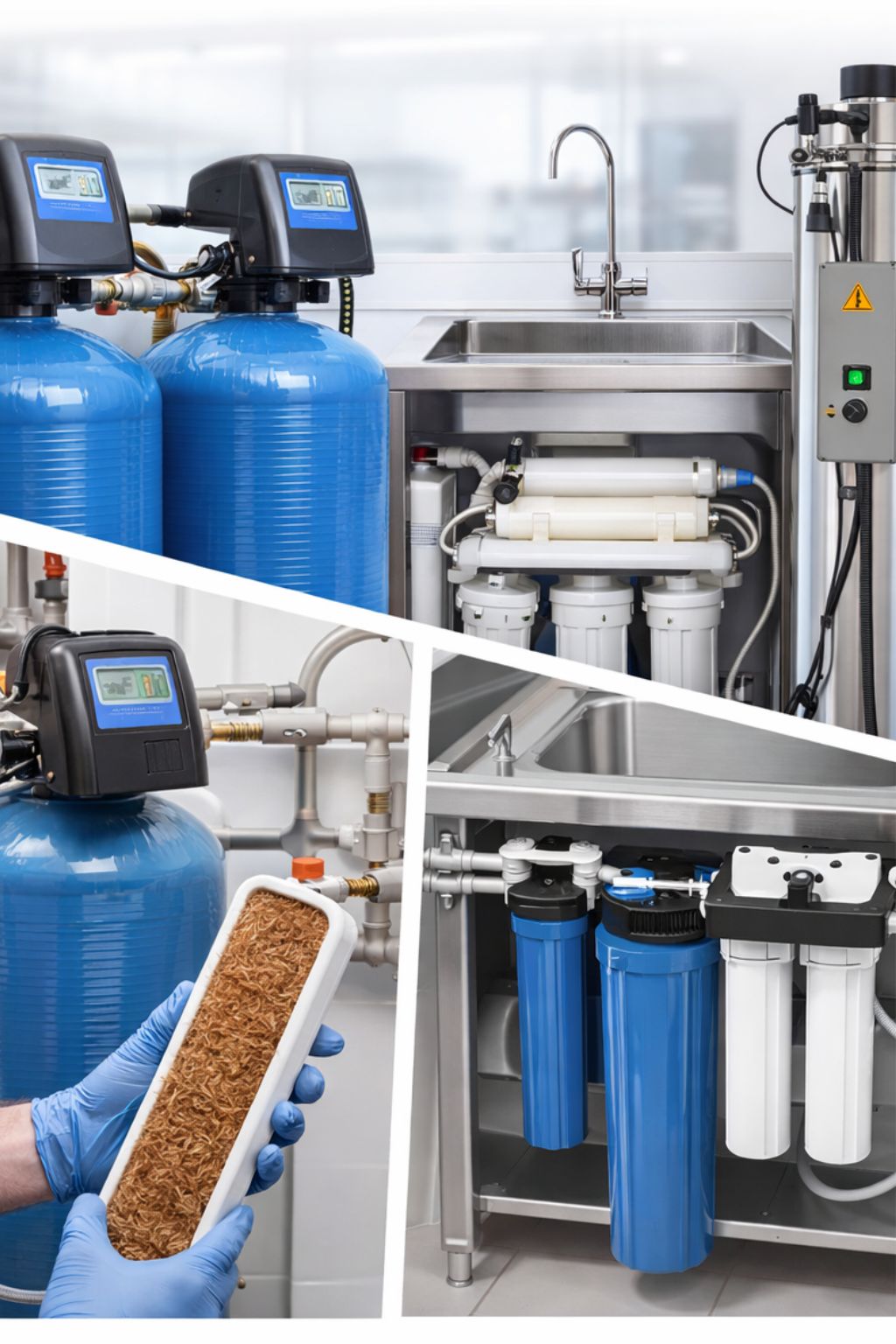
We provide water testing and treatment compliance support across Clare, Limerick, Galway, and Tipperary, working with homeowners, landlords, farms, and commercial properties. Our goal is simple — to make water quality clear, manageable, and dependable.

Compliance for Commercial Properties
For commercial properties, water treatment compliance is not just a technical consideration — it’s part of maintaining operational standards, protecting people, and ensuring consistent service quality. Whether it’s a hotel, food production facility, school, or rental property, water plays a critical role in daily operations.
Unlike residential setups, commercial environments often have higher water demand, more complex systems, and greater responsibility. This makes a structured compliance approach essential — not only to manage water quality, but to ensure it remains consistent, documented, and reliable over time.
Why Compliance Matters for Businesses
-
Protects customers, staff, and residents by ensuring safe and reliable water quality
-
Supports hygiene and operational standards in environments where water is part of the service
-
Helps prevent disruptions caused by equipment issues or inconsistent water quality
-
Provides clear documentation for internal management, audits, or operational reviews
-
Reduces long-term risk by identifying and addressing issues early
A Practical, Managed Approach
Water treatment compliance in commercial environments works best when it becomes part of a structured, ongoing process. The table below outlines how each element contributes to reliable and well-managed water systems.| Element | What It Involves | Benefit for Your Business | If Not Managed Properly |
|---|---|---|---|
| Regular Testing | Scheduled water analysis based on usage and risk level | Early detection of changes in water quality | Issues may go unnoticed until they affect operations |
| System Design for Demand | Systems matched to actual usage and flow requirements | Reliable performance under real operating conditions | Systems may underperform or fail under load |
| Scheduled Servicing | Planned maintenance of filters, UV systems, and equipment | Prevents performance decline and unexpected issues | Gradual loss of effectiveness and increased breakdown risk |
| Monitoring & Adjustments | Ongoing checks and updates as water conditions change | Keeps the system effective over time | Treatment may no longer match current water conditions |
| Documentation & Records | Logs of testing, servicing, and system performance | Provides transparency and supports accountability | Lack of proof and difficulty managing water systems |

Signs You May Need a Compliance Review
Water treatment systems often operate in the background, which makes it easy to assume everything is working as expected. However, over time, water quality, system performance, and usage conditions can change — sometimes without obvious warning signs.
A compliance review helps ensure that your water system is still performing correctly, properly maintained, and supported by up-to-date information.
Common Situations Where a Review Is Recommended
-
You haven’t tested your water recently
Water quality can change over time, especially in private supplies, making older results less reliable -
A treatment system is already installed, but never verified
Without post-installation testing, there is no clear confirmation that the system is working effectively -
Your system hasn’t been serviced regularly
Filters, UV units, and other components require maintenance to perform correctly -
There are changes in water taste, smell, or appearance
Even small changes can indicate shifts in water quality or system performance -
You don’t have clear records or documentation
Missing reports or service logs can make it difficult to understand how your system is performing -
The property is used by tenants, customers, or vulnerable groups
Additional assurance and monitoring are often needed in these situations -
The system was installed several years ago
Older systems may no longer match current water conditions or usage requirements
Stay Ahead with a Structured Review
A water treatment compliance review is not about finding problems — it’s about confirming that everything is working as it should. With proper testing, system checks, and documentation, you gain a clear understanding of your current setup and confidence in your water quality going forward.
Ensure Your Water System Is Compliant, Verified, and Reliable
We help property owners and businesses take a structured approach to water treatment — from initial testing and system design to verification and ongoing support. Every solution is based on real water data and designed to ensure your system performs as expected over time.
Whether you manage a commercial property, rental building, farm, or private well, our compliance-focused approach gives you clear results, proper documentation, and confidence in your water quality.
• Commercial Water Testing • Private Well Water Analysis • Bacteria, Nitrate & Iron Testing • Pre-Installation Water Assessment • Compliance Review & Risk Assessment
• Commercial Water Softeners • Building-Wide Filtration Systems • Iron & Manganese Removal • Nitrate Removal Systems • UV Water Disinfection
• Well Disinfection (Shock Chlorination) • Borehole Sediment Filtration • Bacteria Protection Systems • Ongoing Water Monitoring
• Scheduled Service Plans • Filter Replacement Programmes • UV Lamp Replacement • System Performance Checks • Post-Installation Verification Testing • Compliance Documentation Support
- Commercial Water Testing
- Private Well Water Analysis
- Bacteria, Nitrate & Iron Testing
- Pre-Installation Water Assessment
- Water Demand Evaluation for Businesses
- Commercial Water Softeners
- Building-Wide Filtration Systems
- Iron & Manganese Removal
- Nitrate Removal Systems
- UV Water Disinfection
- Well Disinfection (Shock Chlorination)
- Borehole Sediment Filtration
- Well Water Bacteria Protection
- Commercial Service Plans
- Filter Replacement Programmes
- UV Lamp Replacement
- System Performance Checks
- Post-Installation Water Testing
- Emergency Support
Serving Clare, Limerick, Galway & Tipperary
-
-
- County Clare (Shannon, Ennis, Killaloe, Kilrush, Scarriff, Tulla, Newmarket‑on‑Fergus, Sixmilebridge, Bunratty, Clarecastle, Quin , Cratloe and more)
- County Limerick (including Limerick city and surrounding areas)
- County Galway (Gort & especially the southern and eastern areas)
- County Tipperary (Nenagh, Borrisokane, and nearby)
-
If you’re not sure whether we serve your area, just send us a message — we’ll do our best to assist.

FAQ Water Treatment Commercial
Water treatment compliance means ensuring that your water is properly tested, treated, verified, and maintained over time. It involves not only installing the correct system, but also confirming that it works effectively and keeping records to support ongoing water quality.
Yes. Water testing is essential before selecting any treatment system. Without accurate test results, it is not possible to choose the right solution, which can lead to ineffective or unnecessary equipment.
No. Testing identifies what is in your water, but it does not resolve the issue. A complete approach includes system design, installation, verification, and ongoing maintenance to ensure consistent water quality.
This depends on the water source and how it is used. Private well water and commercial systems typically require periodic testing to monitor changes and ensure continued performance.
Post-installation verification is follow-up water testing carried out after a treatment system is installed. It confirms that the system is working correctly and that water quality has improved as expected.
Typical documentation includes water test reports, system specifications, service records, and ongoing monitoring results. These provide a clear record of how the water system is managed and maintained.
Property owners, landlords, and business operators are generally responsible for ensuring that water systems are safe, properly maintained, and supported by appropriate documentation.
While private well owners may not always be legally required to follow formal compliance processes, regular testing and proper treatment are strongly recommended to ensure safe and reliable water quality.
Yes. Water conditions can change due to environmental factors, seasonal variations, or system performance. Regular testing and monitoring help identify these changes early.
Whether you’re just curious or urgently need answers — we’re here to help.
Tell us about your home, well, or business, and we’ll recommend the right test or filtration solution.
