
Nitrates cannot be seen, tasted or smelled — but they may still be present in your well water
Your well water may look clean — but nitrates and nitrites cannot be detected without testing. These contaminants are a known risk in private water supplies, particularly in rural areas.
DryZone provides a complete, evidence-based approach to nitrate removal, starting with water testing and ending with verified results after installation.
Serving Clare, Limerick, Galway and Tipperary.

Why Nitrates and Nitrites Are a Serious Risk in Drinking Water?
Nitrates and nitrites are among the most concerning contaminants found in private well water, particularly in rural areas across Ireland. Unlike issues such as hardness or iron, these contaminants are not related to water comfort — they are directly linked to water safety.
They typically enter groundwater through agricultural activity, fertilisers, animal waste and septic systems. Once present, they dissolve completely in water, making them impossible to detect without proper testing.
Not sure about the quality of your water?

Health Risks of Nitrates and Nitrites in Drinking Water
These substances in drinking water are a recognised health concern, particularly for vulnerable groups such as infants and pregnant women. Unlike many common water issues, their impact is not related to taste or appearance, but to how they affect the body after consumption.
In infants, high levels of nitrates can interfere with the blood’s ability to carry oxygen. This condition, often referred to as “blue baby syndrome”, is the primary reason nitrate levels in drinking water are strictly regulated.
For pregnant women, elevated nitrate or nitrite levels may also pose additional risks, which is why water quality becomes particularly important in households expecting a child.
Even for general use, long-term exposure to elevated nitrate levels is not recommended. Because these contaminants are invisible and cannot be detected without testing, people may be consuming affected water without realising it.
What Nitrates and Nitrites in Drinking Water Can Lead To
While the risks for infants are the most widely recognised, nitrates and nitrites in drinking water are also associated with broader health concerns, particularly with long-term exposure.| Process or Factor | What Happens in the Body | Why It Matters | Potential Outcome or Risk |
|---|---|---|---|
| Interference with oxygen transport | Nitrates can affect how blood carries oxygen (via methemoglobin formation) | Oxygen delivery is critical for all organs | In high exposure cases: Methemoglobinemia (reduced oxygen in blood, especially dangerous for infants) |
| Conversion to nitrites | Nitrates can convert into nitrites during digestion | Nitrites are more reactive compounds | Creates conditions for further internal chemical reactions |
| Formation of nitrosamines | Nitrites can react with proteins and acids in the stomach | Some nitrosamines are classified as potentially harmful | Long-term exposure is associated with increased health concerns in research studies |
| Continuous long-term intake | Daily consumption over months or years | Effects are not immediate or noticeable | Chronic exposure risk — this is what drinking water limits are designed to prevent |
It is precisely these risks that have led to strict limits on nitrate and nitrite levels in water
Safe Levels of Nitrates and Nitrites in Drinking Water
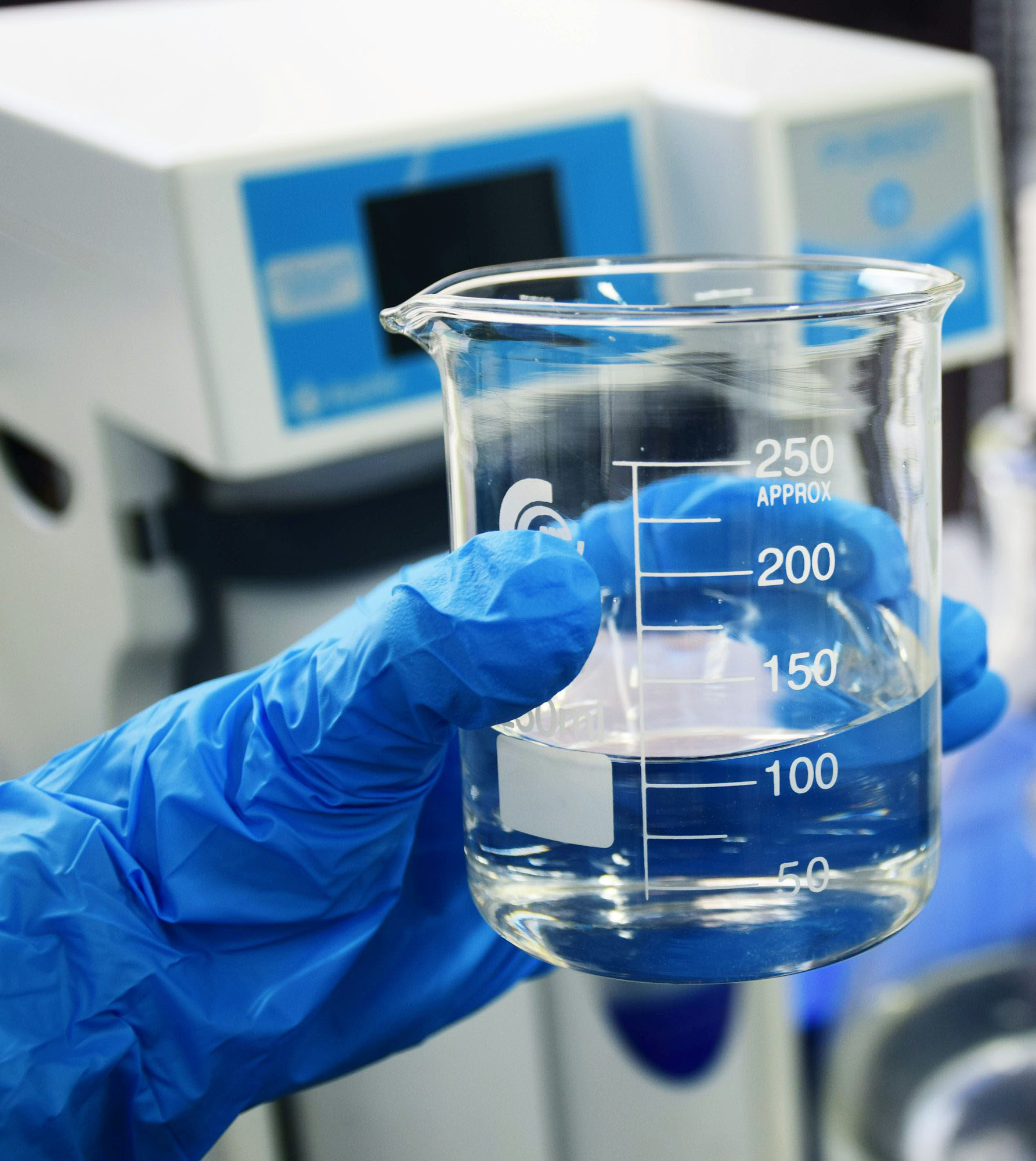
Nitrate and nitrite levels in drinking water are regulated under the European Union Drinking Water Directive, which sets clear safety limits for human consumption.
For nitrates, the maximum allowable concentration is 50 mg/L (milligrams per litre). For nitrites, the limit is significantly lower, typically 0.5 mg/L, reflecting their higher reactivity and potential health impact.
These limits are designed to protect public health, particularly for infants and vulnerable individuals. Water exceeding these levels is considered unsafe for drinking without appropriate treatment.
In Ireland, these standards are reflected in national regulations and are used as the benchmark for both public and private water supplies. However, unlike public systems, private wells are not continuously monitored, meaning homeowners are responsible for testing and ensuring compliance.
It is also important to understand that even levels approaching the limit may require attention, depending on household use, water consumption patterns and the presence of vulnerable individuals.
These limits can only be confirmed through laboratory water testing.
Effective treatment depends on understanding how your water behaves and applying the correct process — not just installing a product.

How Nitrates and Nitrites Enter Private Well Water?
These substances typically enter groundwater through environmental and human activity, particularly in rural and agricultural areas. Homes supplied by private wells are more exposed to this type of contamination because the water source is directly connected to the surrounding land.
This approach ensures that your water is not just temporarily improved, but consistently treated using a solution designed specifically for your property.

Why Water Testing Is Essential Before Choosing Any Treatment
They cannot be detected by taste, smell, or appearance, so proper water testing is the only reliable way to ensure its safety.
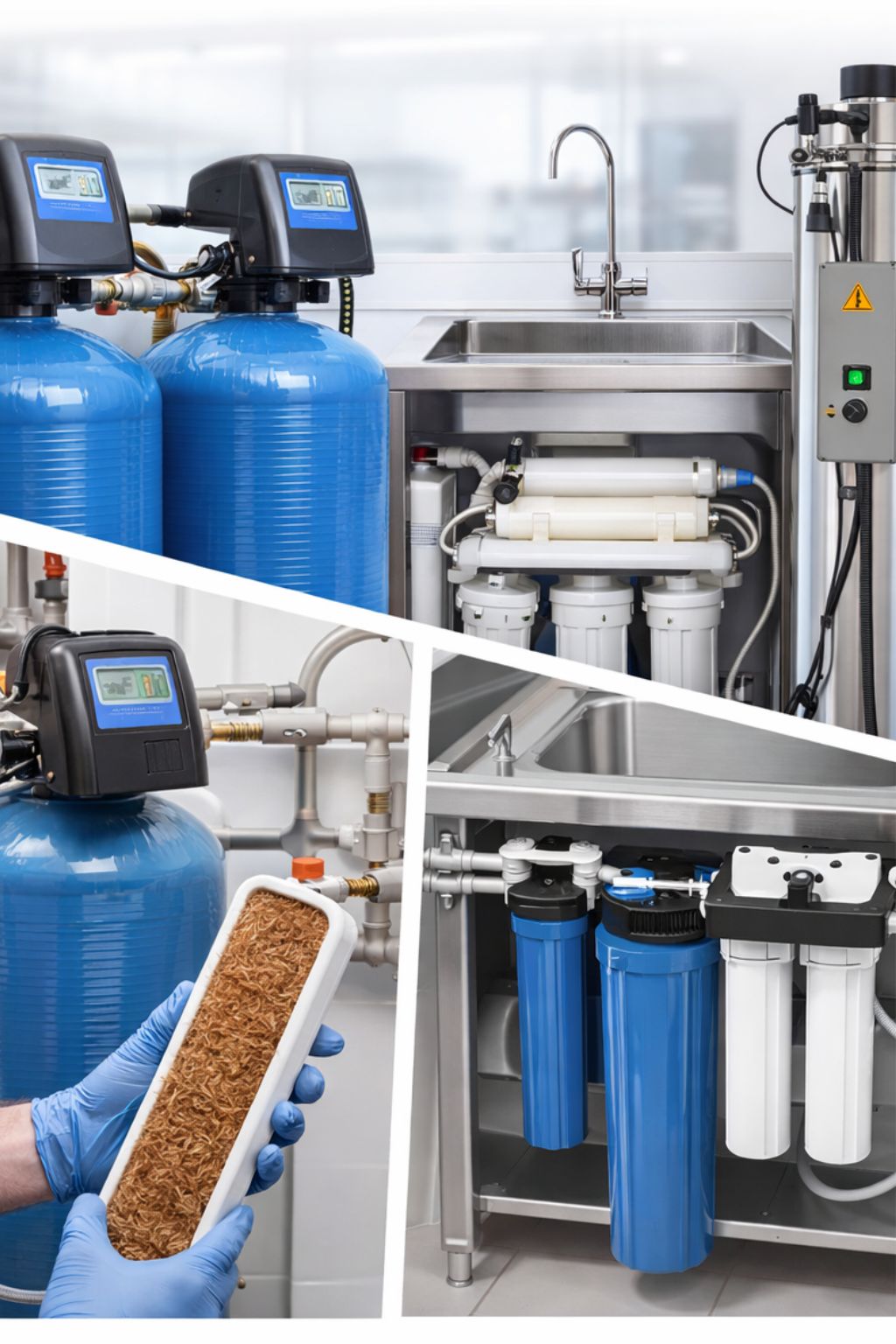
What Systems Can Remove Nitrates and Nitrites from Drinking Water
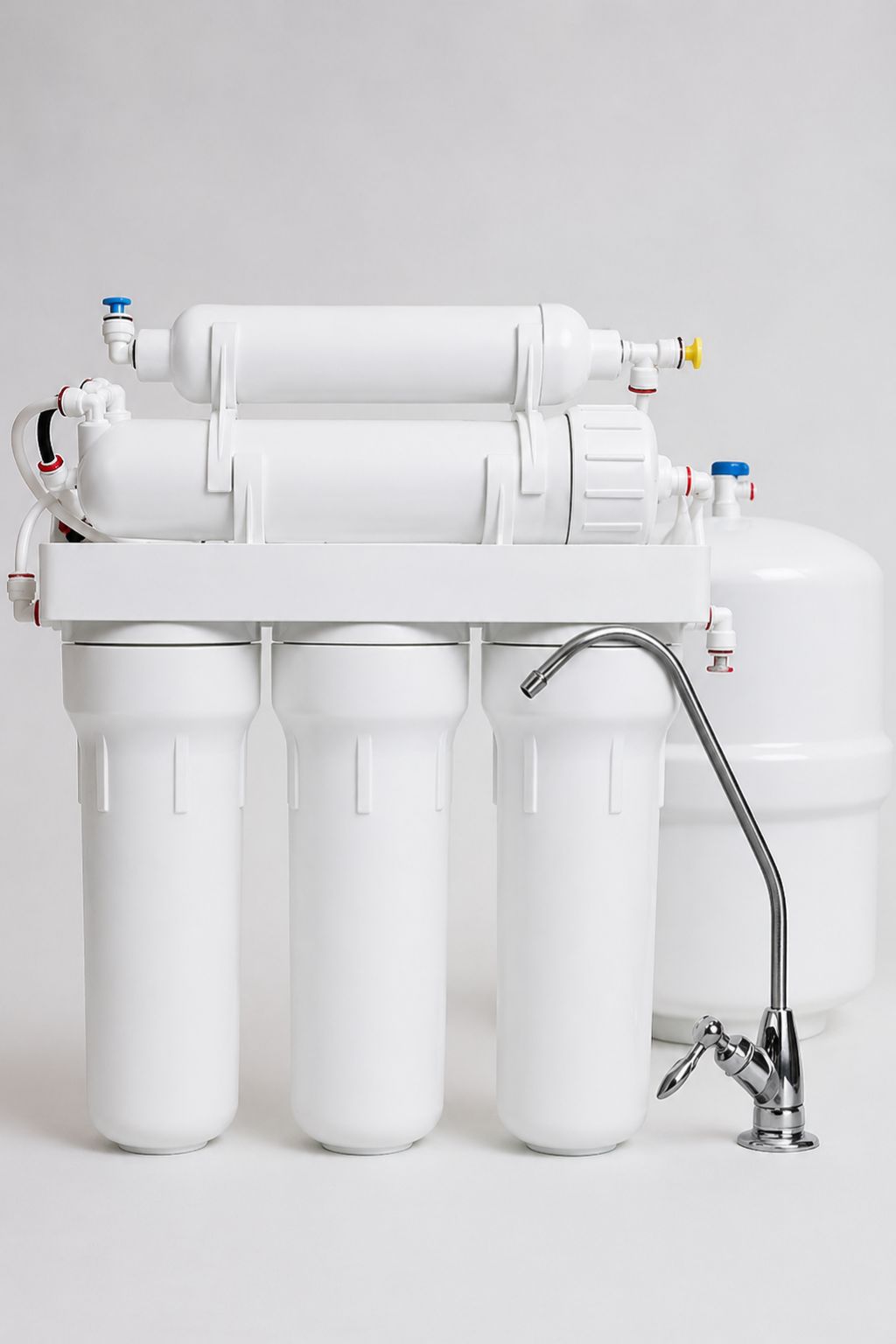
Nitrate and nitrite removal requires specific treatment methods. Unlike common water issues, these contaminants cannot be effectively addressed with standard filtration systems such as carbon filters or UV disinfection.

What Can Go Wrong with Incorrect Nitrate or Nitrite Treatment
Nitrate and nitrite treatment often fails not because systems are unavailable, but because they are incorrectly selected, installed or applied without verification.
Our Process: From Water Testing to Verified Safe Drinking Water
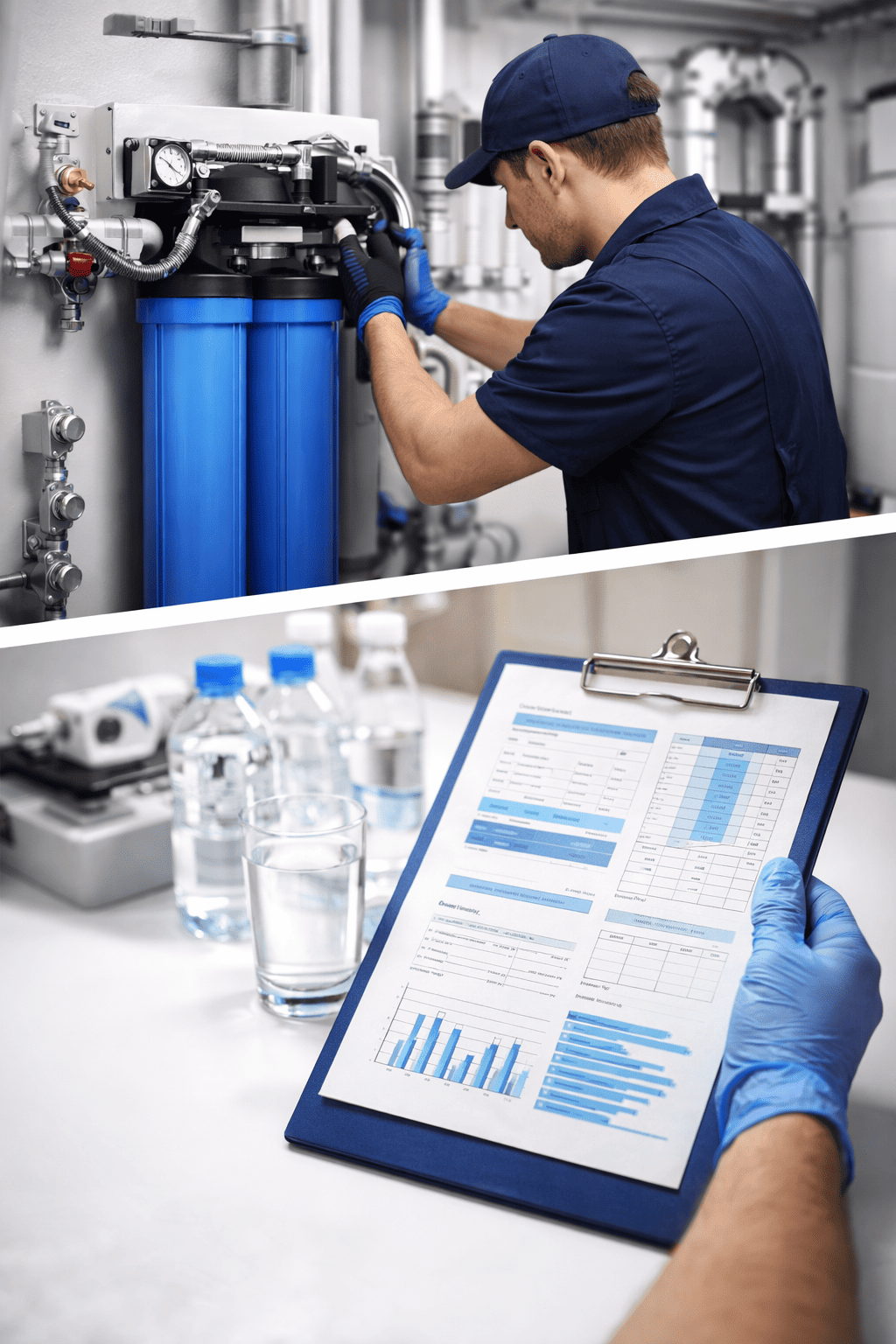
Effective nitrate and nitrite treatment requires more than installing equipment. It is a structured process that begins with understanding the water and ends with confirming that the solution is working as intended.
Verification and Reporting After Installation
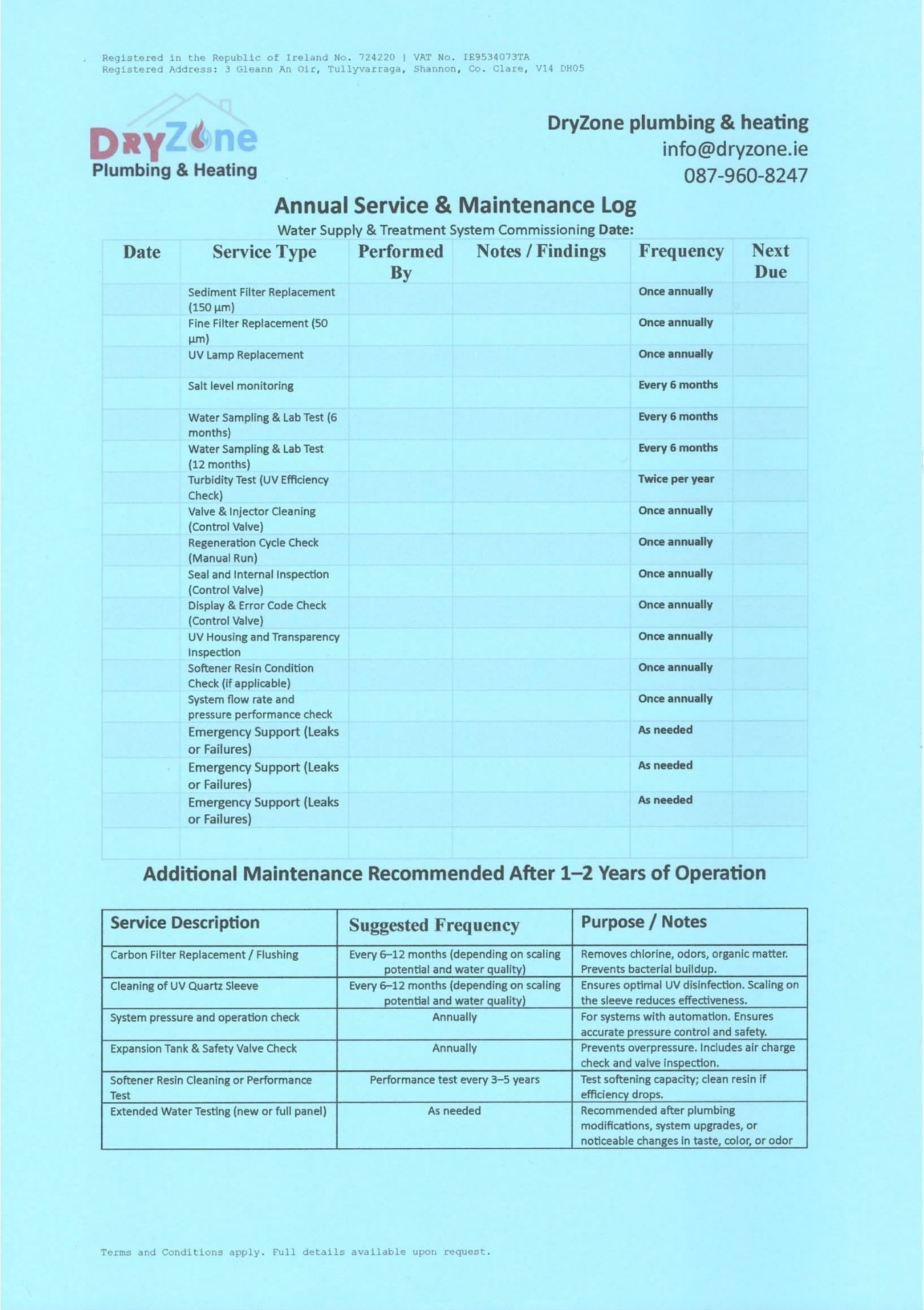
Installing a nitrate or nitrite treatment system is only part of the solution. To ensure that the water is actually safe, the results must be confirmed through post-installation testing.

When Should You Test Your Water for Nitrates and Nitrites
In many cases, nitrate and nitrite contamination is only discovered after a water test. However, there are specific situations where testing should be considered a priority rather than an option.
Complete Water Treatment Solutions for Your Home
We provide tailored water treatment solutions designed around your specific water quality.
As a result, you get a system that solves real problems — not a one-size-fits-all setup.
Every property is different.
For example, private wells in rural areas often require a combination of filtration, softening, and UV disinfection.
That is why we start with professional water testing.
Then, we design a system based on actual results, ensuring each component works together effectively.
Hard water is one of the most common water quality issues in both homes and businesses, leading to limescale buildup in pipes, heating systems, and appliances. Water softeners are designed to remove calcium and magnesium, helping to protect equipment and improve overall system performance.
✔️ Reduce limescale in pipes, boilers, and appliances
✔️ Improve efficiency of heating and water systems
✔️ Extend the lifespan of equipment
✔️ Suitable for residential and commercial properties
Filtration systems are used to remove sediment, particles, and other impurities that affect water clarity and quality. These systems are often installed at the main water entry point to provide whole-property protection.
✔️ Remove sediment and suspended particles
✔️ Protect pipework and water-using equipment
✔️ Improve water clarity and consistency
✔️ Suitable for a wide range of water conditions
Iron and manganese are commonly found in groundwater and private wells. These minerals can cause staining, unpleasant taste, and buildup in plumbing systems if not properly treated.
✔️ Prevent staining on fixtures and surfaces
✔️ Improve water appearance and taste
✔️ Protect plumbing and equipment
✔️ Ideal for private well water supplies
→ Learn About Iron & Manganese Removal
Nitrates can be present in certain water sources, particularly in rural areas and private wells. Dedicated treatment systems help reduce nitrate levels and improve overall water quality for safe daily use.
✔️ Reduce nitrate levels in water
✔️ Improve water safety and quality
✔️ Suitable for private wells and rural properties
✔️ Reliable long-term solution
→ Learn About Nitrate Removal
UV disinfection systems provide chemical-free protection against bacteria and microorganisms. They are widely used where microbiological safety is a concern, especially in private water supplies.
✔️ Effective protection against bacteria and viruses
✔️ Continuous disinfection without chemicals
✔️ Works alongside filtration systems
✔️ Ideal for well water and untreated sources
The right water treatment solution depends on the specific characteristics of your water. Since many issues are not visible, professional water testing is the most reliable way to identify the problem and select the correct technology or combination of systems.
A test-based approach ensures that your investment delivers effective, long-term results — without unnecessary costs or guesswork.
• Professional Water Testing (Home & Business)
• Private Well Water Analysis
• Bacteria, Nitrate, Iron & Hardness Testing
• Pre-Installation Water Assessment
• Post-Treatment Verification Testing
• Water Softeners (Hard Water Treatment)
• Whole-Property Filtration Systems
• Iron & Manganese Removal
• Nitrate Reduction Systems
• UV Water Disinfection
• Well Disinfection (Shock Chlorination)
• Sediment & Borehole Filtration
• Bacteria Protection Systems
• Combined Treatment for Multiple Issues
• Custom Water Treatment System Design
• Professional Installation
• System Configuration for Optimal Performance
• Integration of Multiple Technologies
• Post-Installation Performance Checks
• Scheduled Servicing & System Checks
• Filter Replacement Programmes
• UV Lamp Replacement
• System Performance Monitoring
• Water Quality Re-Testing
• Long-Term Support
Serving Clare, Limerick, Galway & Tipperary
- County Clare (Shannon, Ennis, Killaloe, Kilrush, Scarriff, Tulla, Newmarket‑on‑Fergus, Sixmilebridge, Bunratty, Clarecastle, Quin , Cratloe and more)
- County Limerick (including Limerick city and surrounding areas)
- County Galway (Gort & especially the southern and eastern areas)
- County Tipperary (Nenagh, Borrisokane, and nearby)
If you’re not sure whether we serve your area, just send us a message — we’ll do our best to assist.

FAQ Nitrate and Nitrite Removal
No. Nitrates and nitrites cannot be detected by taste, smell or appearance. Water may look completely clean and still contain elevated levels. This is why laboratory testing is the only reliable way to assess water safety.
The only way to know is through water testing. Nitrate levels can vary significantly between properties, even in the same area, and cannot be identified without analysis.
Nitrates are most widely associated with risks for infants, but long-term exposure to elevated levels is not recommended for any household. Drinking water standards are designed to prevent potential risks from continuous consumption over time.
No. Most standard filters, including carbon filters and UV systems, do not remove nitrates or nitrites. Specific treatment systems such as reverse osmosis are required.
Reverse osmosis is the most common and effective method for residential nitrate removal. However, the correct solution should always be based on water testing results and system design.
Not always. In many cases, treatment is applied at a single drinking water point, such as the kitchen tap. The correct setup depends on water usage and contamination levels.
It is generally recommended to test private well water regularly, especially if it has not been tested before, if you have recently moved in, or if there are changes in surrounding land use.
No. Boiling does not remove nitrates or nitrites and may concentrate dissolved substances as water evaporates.
Not always. RO may address drinking water nitrates, but other issues such as bacteria, iron, manganese or hardness require separate testing and treatment design.
Whether you’re just curious or urgently need answers — we’re here to help.
Tell us about your home, well, or business, and we’ll recommend the right test or filtration solution.
