
What’s Really in Your Water — and Why It Becomes a Problem
Many homeowners assume their water is safe because it looks clear — but in reality, problems often build up silently over time. Across County Clare, County Limerick, County Galway, and County Tipperary, we regularly see homes affected by hidden contaminants such as iron, manganese, sediment, bacteria, and excessive hardness. These issues don’t just impact drinking water — they affect your entire home, from staining on sinks and showers to damage inside your plumbing and heating systems.
The biggest mistake is treating water problems as a single issue. Installing a basic filter or the wrong system without proper testing often leads to ongoing contamination, poor water quality, or systems that simply don’t work as expected. In many cases, homeowners end up replacing equipment or adding more filters — without ever solving the root cause.
A properly designed whole-house water filtration system treats the issue of water supply as a comprehensive system rather than a temporary solution. We offer customized solutions—starting with a detailed water analysis, followed by system design, professional installation, and final testing. This ensures that your water is not only purified but also remains consistently safe, clean, and suitable for everyday use throughout your home.
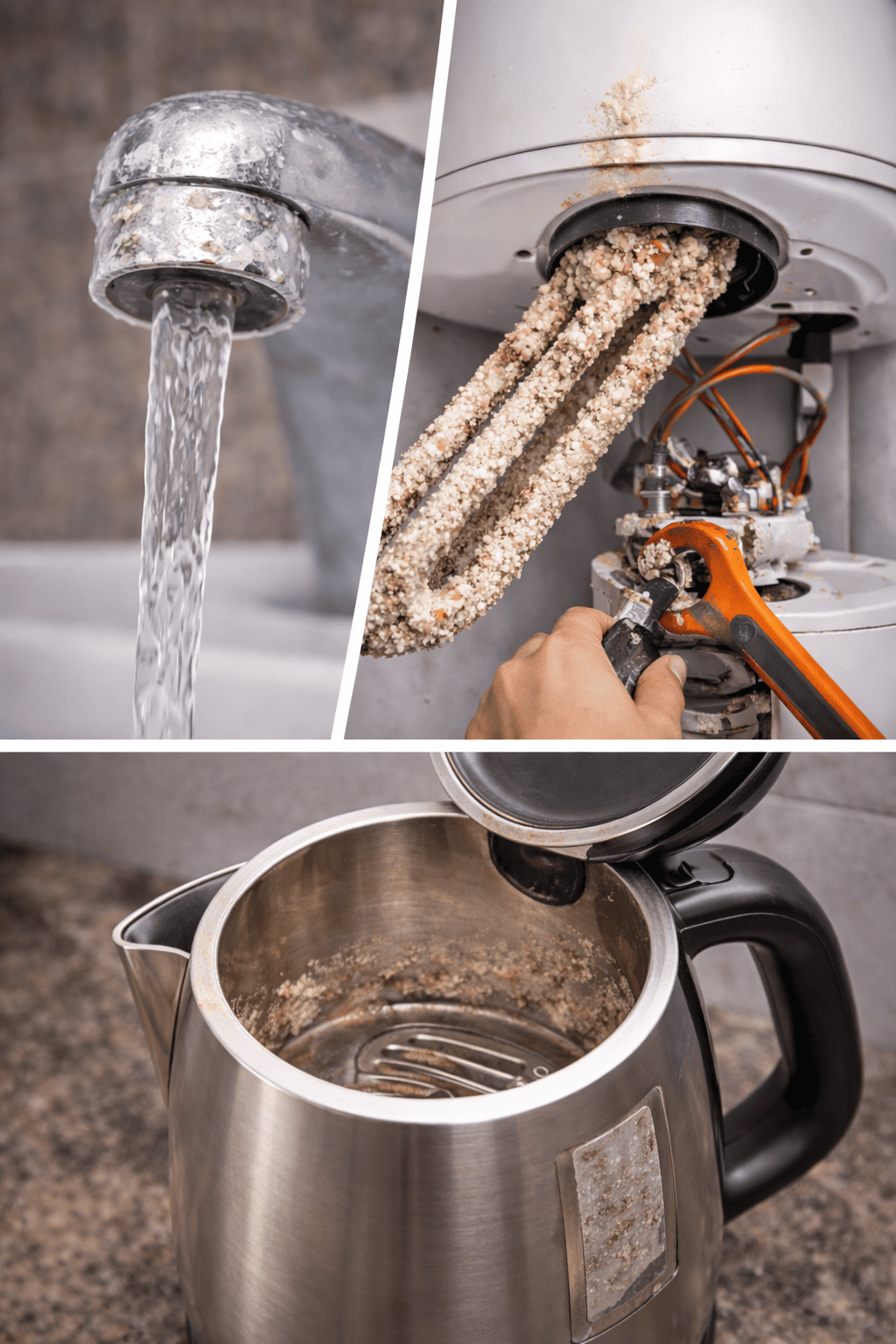
How Poor Water Quality Affects Your Entire Home
Water problems rarely stay in one place. What enters your home through the main supply spreads across every tap, appliance, and system — often causing different issues in different areas of the house. In homes across County Clare, County Limerick, County Galway, and County Tipperary, we regularly see multiple water quality problems existing at the same time, even when they’re not immediately obvious.
Daily Use (Showers, Baths, Kitchen)
Water used for washing and cooking may contain sediment, metals, or bacteria that affect not only the taste but also comfort and hygiene. Hard water leaves limescale on surfaces, while iron and manganese cause stains on sinks, shower stalls, and laundry. In some cases, homeowners notice unpleasant odors or a change in the color of the water—signs that the water needs proper treatment.
Plumbing & Heating Systems
Untreated water doesn’t just affect what you see — it damages what you don’t. Scale buildup, sediment, and corrosive elements can reduce the efficiency of boilers, clog pipework, and shorten the lifespan of expensive systems. Over time, this leads to higher energy costs, frequent maintenance, and avoidable repairs.
Appliances & Laundry
Household appliances are especially vulnerable to poor water quality. Washing machines, dishwashers, and kettles quickly accumulate limescale and residue, reducing performance and causing premature failure. Clothes may appear dull or stained, and detergents become less effective in hard water conditions.
⚠️ The Bigger Issue
These problems are often treated separately — a filter here, a softener there — without addressing the full picture. But in reality, water issues are interconnected. Without a properly designed whole house filtration system, the underlying causes remain, and the problems continue to spread throughout the home.
Not sure what’s causing your water issues?
We offer professional water analysis to identify exactly what’s in your water and recommend the correct treatment system — so you avoid unnecessary equipment and get a solution that actually works.
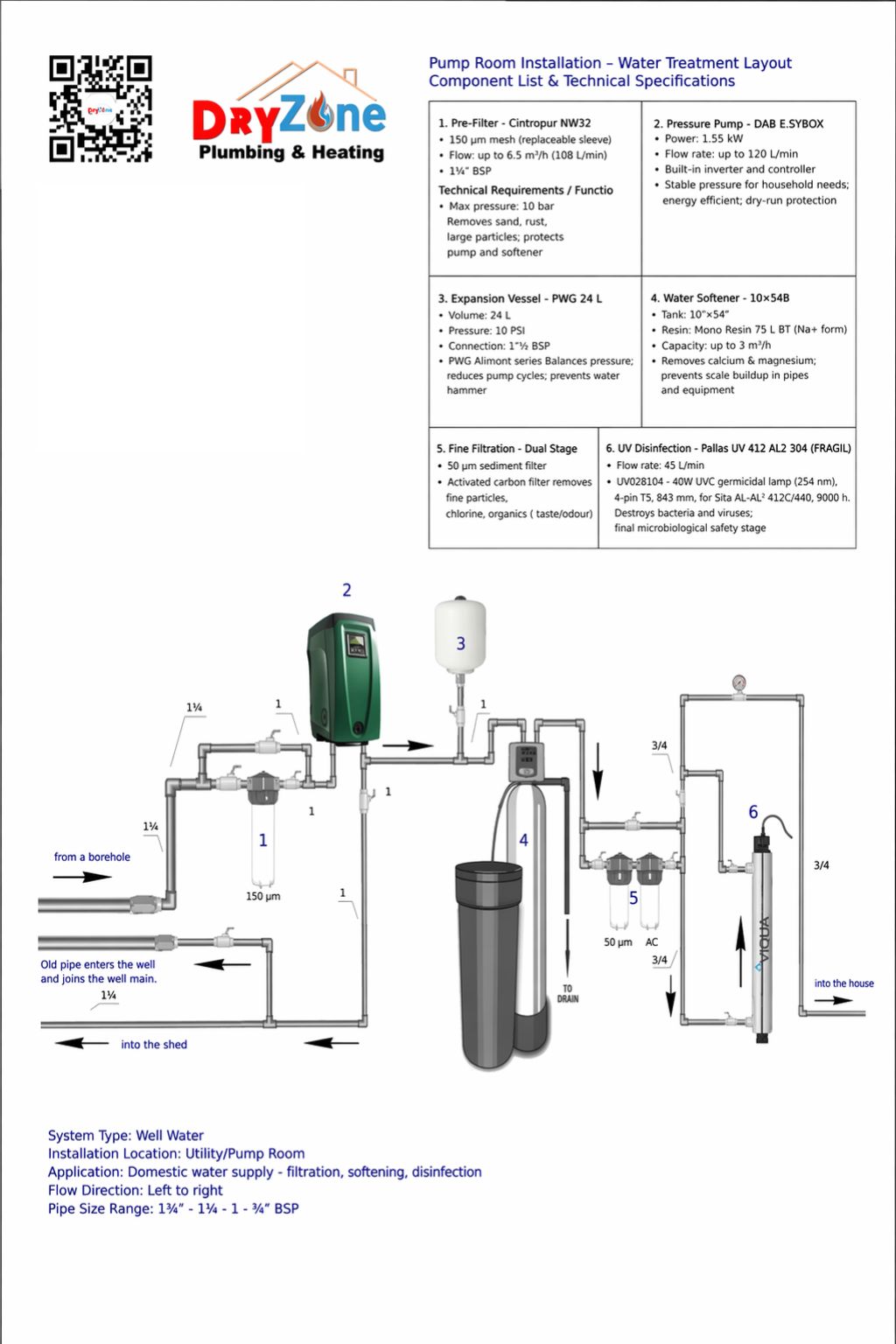
What Is a Whole House Water Filtration System?
A whole house water filtration system is installed at the point where water enters your home, treating all incoming water before it reaches your taps, appliances, and heating systems. Unlike under-sink filters or single-purpose units, this approach ensures that every part of your home receives consistently treated water — from drinking and cooking to washing, heating, and everyday use.
A System — Not Just a Filter
An effective whole house filtration system is built as a multi-stage process, where each component plays a specific role. The exact configuration depends on your water test results, but a typical system may include:
- Sediment filtration – removes sand, silt, and suspended particles
- Activated carbon filtration – improves taste, odour, and removes chlorine or organic compounds
- Iron and manganese removal – prevents staining, discolouration, and buildup
- Water softening (if required) – reduces hardness and limescale
- UV disinfection (if needed) – protects against bacteria and microbiological contamination
No single filter can solve all water problems — effective treatment always requires the right combination of technologies.
Many systems fail because they are installed without a clear understanding of the characteristics of the water they are supposed to treat. In practice, this often leads to skipped treatment stages, improper sizing, or the use of technologies that do not address the actual problem.
That is why our approach to selecting and installing whole-house water filtration systems ensures that every stage of the system is tailored to a specific purpose and delivers reliable, long-term results.
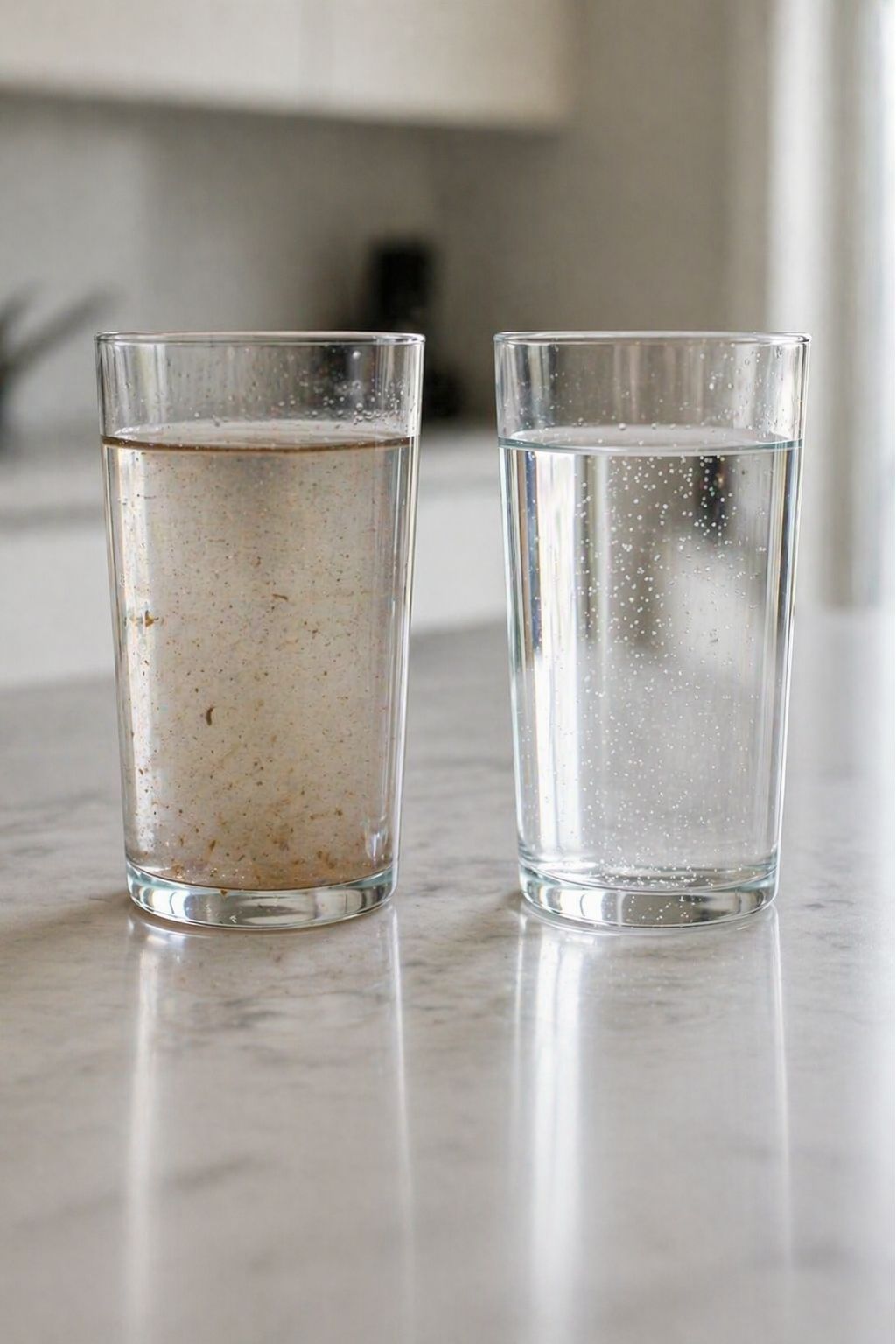
Why Generic Water Filtration Systems Often Fail
Many homeowners invest in water filtration expecting immediate results — only to find that the problems persist or return over time. This is especially common in homes across County Clare, County Limerick, County Galway, and County Tipperary, where water conditions can vary significantly even between neighbouring properties.
The issue is not the idea of filtration itself, but how the system is selected and installed. Generic or “one-size-fits-all” solutions rarely address the full complexity of real water conditions.
What Can Go Wrong with the Wrong System
| Issue | What Actually Happens | Why It Fails |
|---|---|---|
| Incorrect system selection | A filtration unit is installed without identifying the actual contaminants present in the water. | Without laboratory analysis, parameters such as iron, manganese, hardness, nitrates, or microbiological contamination remain unknown — leading to a system that does not target the real problem. |
| Incomplete treatment process | Only one stage of filtration is installed (e.g. carbon or sediment), while other issues remain untreated. | Water quality problems are multi-factorial. Failing to address all relevant parameters results in partial treatment and continued system-wide impact. |
| Incorrect sizing and flow rate mismatch | The system cannot handle the property’s demand, causing pressure drops or inconsistent performance. | Filtration systems must be sized based on flow rate (L/min), peak demand, and contact time requirements. Undersized systems reduce efficiency and reliability. |
| UV disinfection without adequate pre-treatment | UV system is installed, but bacteria are not effectively neutralised. | Elevated turbidity (NTU levels) reduces UV transmittance. Suspended solids and colloidal particles scatter and absorb UV radiation, preventing sufficient dose (mJ/cm²) from reaching microorganisms. |
| Improper media selection or configuration | Filters lose efficiency quickly or fail to remove target contaminants. | Media type, bed depth, and regeneration/backwash parameters must match water chemistry. Incorrect configuration leads to breakthrough and reduced lifespan. |
| Short-term installation approach | System initially improves water quality, but problems return over time. | Without long-term planning, monitoring, and verification, systems are not adapted to changing water conditions or seasonal variation. |
A filtration system that isn’t engineered for your water conditions will not deliver consistent or reliable results.
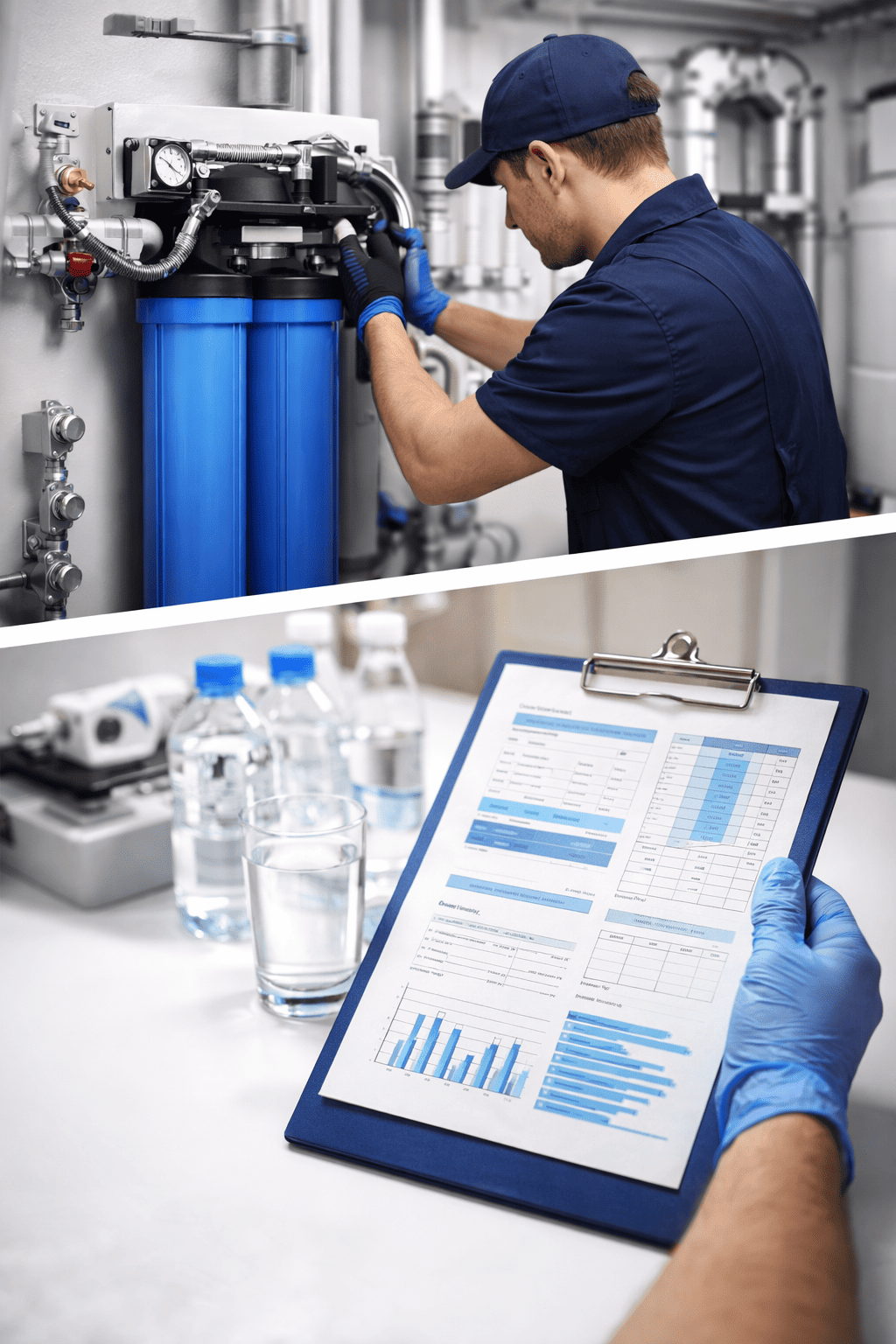
Our Testing-First Approach to Water Filtration
Effective water filtration doesn’t start with equipment — it starts with understanding the water itself. Without accurate data, even the most advanced systems can be incorrectly specified or configured. That’s why we use a structured, testing-first.
Our process ensures that every system is designed based on verified water parameters, not assumptions — and that the results are confirmed after installation.
Process Steps
1. Water Testing & Analysis
We carry out detailed water testing to identify key parameters such as iron, manganese, hardness, pH, turbidity, and microbiological contamination. This provides a clear, data-driven understanding of your water quality.
2. System Design Based on Results
Based on test data, we select a filtration system tailored to the specific water supply conditions and requirements of your facility, including accurate calculations of capacity, water flow, and treatment stages.
3. Professional Installation
The system is installed and configured to ensure optimal performance, reliability, and integration with your home’s plumbing and water supply.
4. Post-Installation Verification
After installation, we verify the system’s performance through follow-up testing, confirming that the required water quality standards have been achieved.
This structured approach ensures that your whole house filtration system is not only correctly installed, but delivers consistent, measurable results over time — giving you confidence in the safety and quality of your water.
→ Book a Water Test
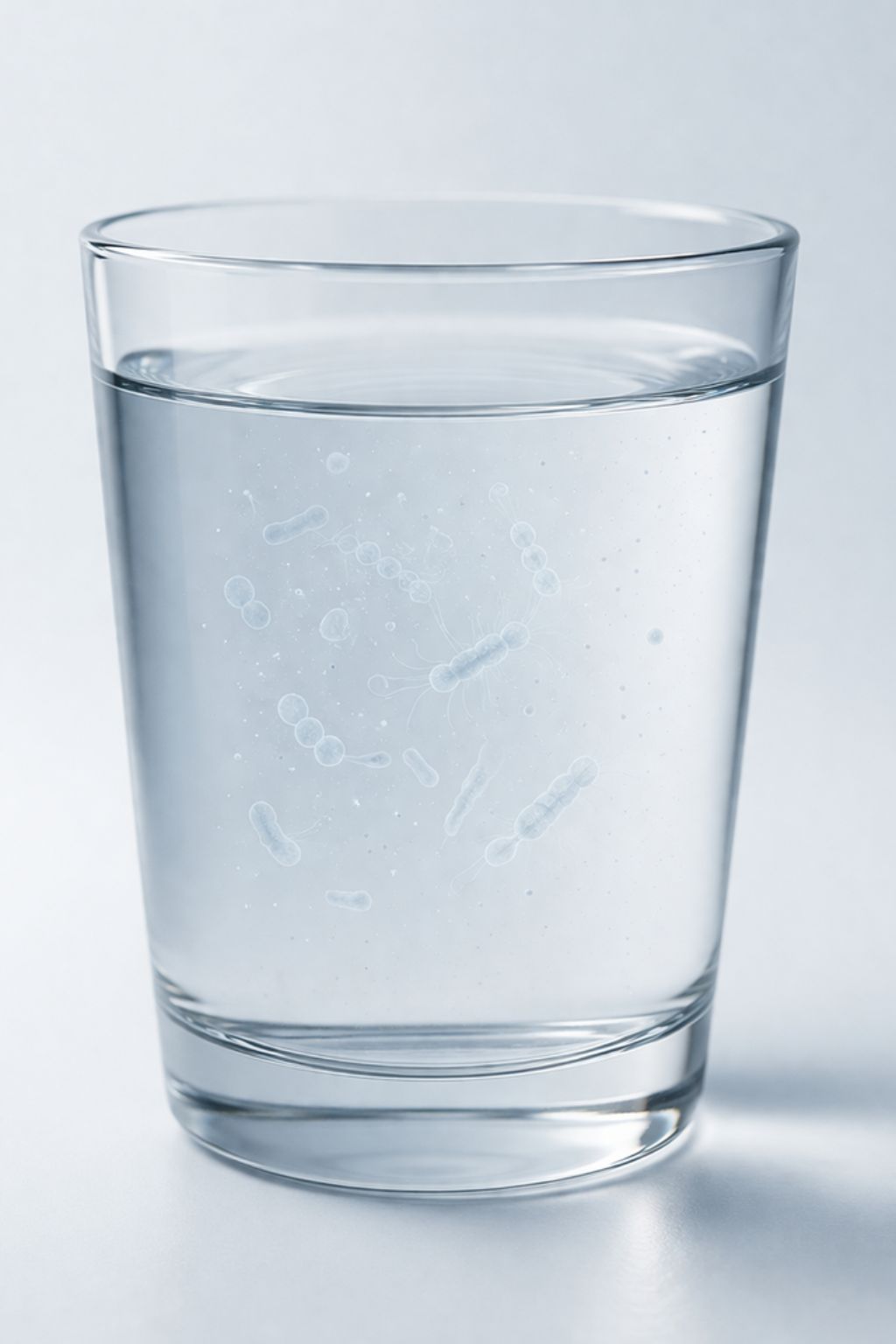
Common Water Contaminants in Residential Water Supplies
| Contaminant | Typical Source | Signs & Symptoms | Why It Matters |
|---|---|---|---|
| Iron (Fe) | Natural groundwater deposits, private wells | Brown or orange staining on sinks, toilets, and laundry | Causes staining, metallic taste, and buildup inside plumbing systems |
| Manganese (Mn) | Groundwater minerals | Black staining on fixtures and appliances | Leads to discolouration, sediment buildup, and unpleasant taste |
| Hardness (Calcium & Magnesium) | Dissolved minerals in groundwater | Limescale on kettles, shower glass, and heating elements | Reduces heating efficiency, damages appliances, increases energy use |
| Sediment & Suspended Solids | Sand, silt, organic particles in water sources | Cloudy water, particles in glass, clogged filters | Increases turbidity (NTU), blocks pipework, interferes with filtration systems |
| Bacteria & Microbiological Contamination | Surface infiltration, septic systems, agricultural activity | Usually invisible; detected through testing | Can pose health risks if not properly disinfected |
| Nitrates (NO₃⁻) | Agricultural runoff, fertilisers | No visible signs in water | Elevated levels can pose health concerns and require specialised treatment |
| Taste & Odour Compounds | Organic matter, dissolved gases, chlorine | Musty smell, unpleasant taste | Affects water usability and drinking quality |
Because these contaminants often occur together, treating only one parameter rarely solves the overall water quality problem.
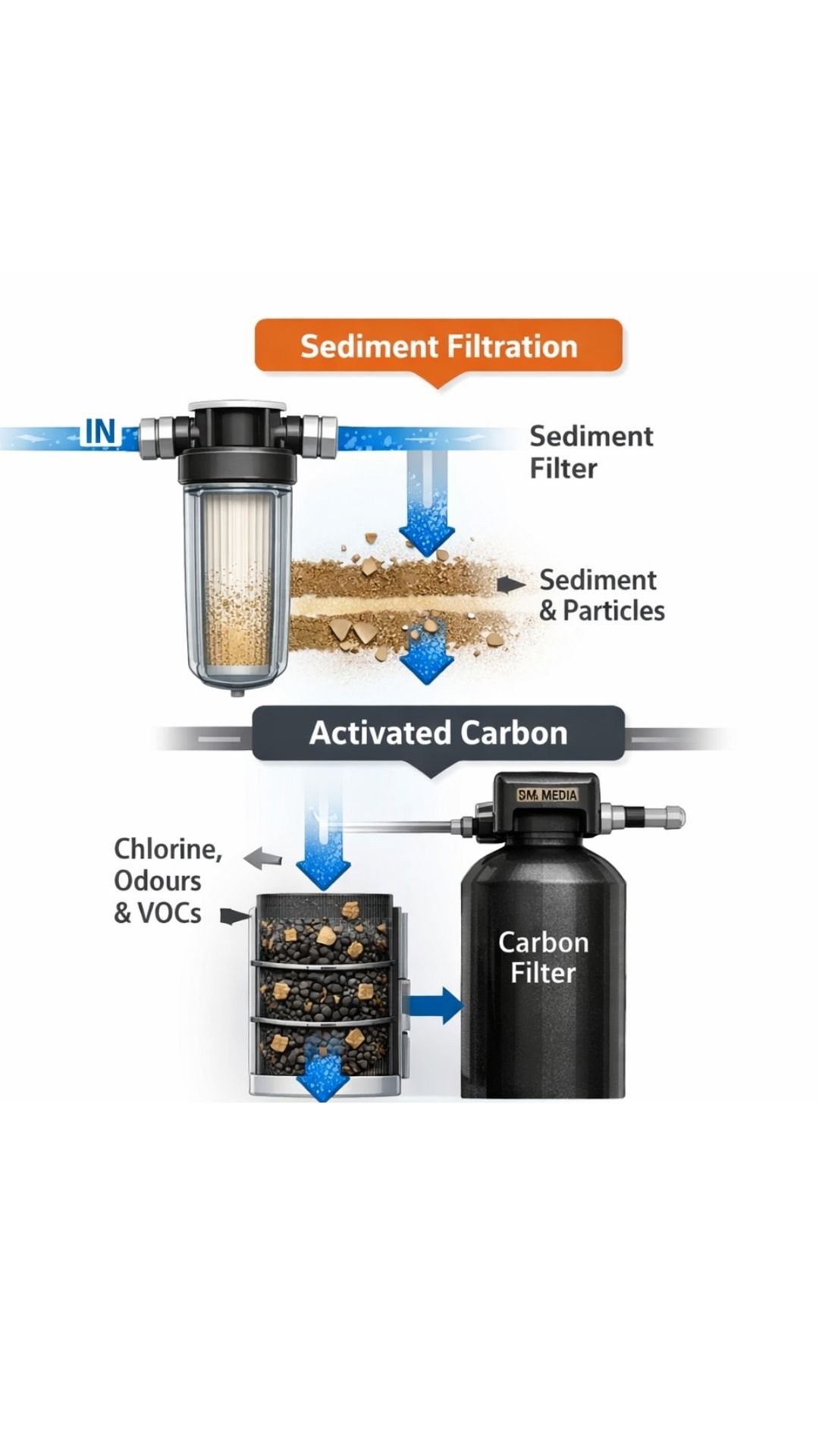
Which Water Filtration System Does Your Home Need?
Whole-house water filtration systems rarely consist of a single unit. In most homes, effective purification requires a combination of technologies designed to address the specific composition of the incoming water.
Below are examples of typical system configurations used to treat water with various characteristics.
Example System Configurations
Sediment filtration + Activated Carbon
Basic treatment for municipal water to remove particles, chlorine, and improve taste and odor.
Sediment filtration + Activated Carbon + Reverse Osmosis
Typical drinking water purification system used to remove dissolved contaminants such as nitrates, heavy metals, and high TDS.
Sediment filtration + Activated Carbon + Reverse Osmosis + Remineralization
Advanced drinking water treatment where purified water is rebalanced with essential minerals to improve taste and stability.
Sediment filtration + Water Softener + UV Disinfection
Common whole-house configuration for hard well water with microbiological risk.
Sediment filtration + Water Softener + Carbon filtration + UV Disinfection
Multi-stage treatment used when water contains hardness, chlorine or organic contaminants, and potential bacterial contamination.
Sediment filtration + Aeration + Activated Carbon (sometimes with chemical oxidation)
System designed to treat iron, manganese, and hydrogen sulfide odors commonly found in groundwater.
Aeration + Sediment filtration + KDF media + Water Softener + UV Disinfection
Complex multi-stage system used where water contains metals, hardness, and microbiological contamination risks.
Sediment filtration + Oxidation + Water Softener + UV Disinfection
Typical configuration for well water with dissolved iron and hardness, combined with final microbiological protection.
 Important:
These configurations are only examples of system combinations. The correct treatment system must always be determined based on laboratory water analysis and site conditions.
This process provides confidence that your water treatment system is not only installed correctly, but also delivering the results it was designed for.
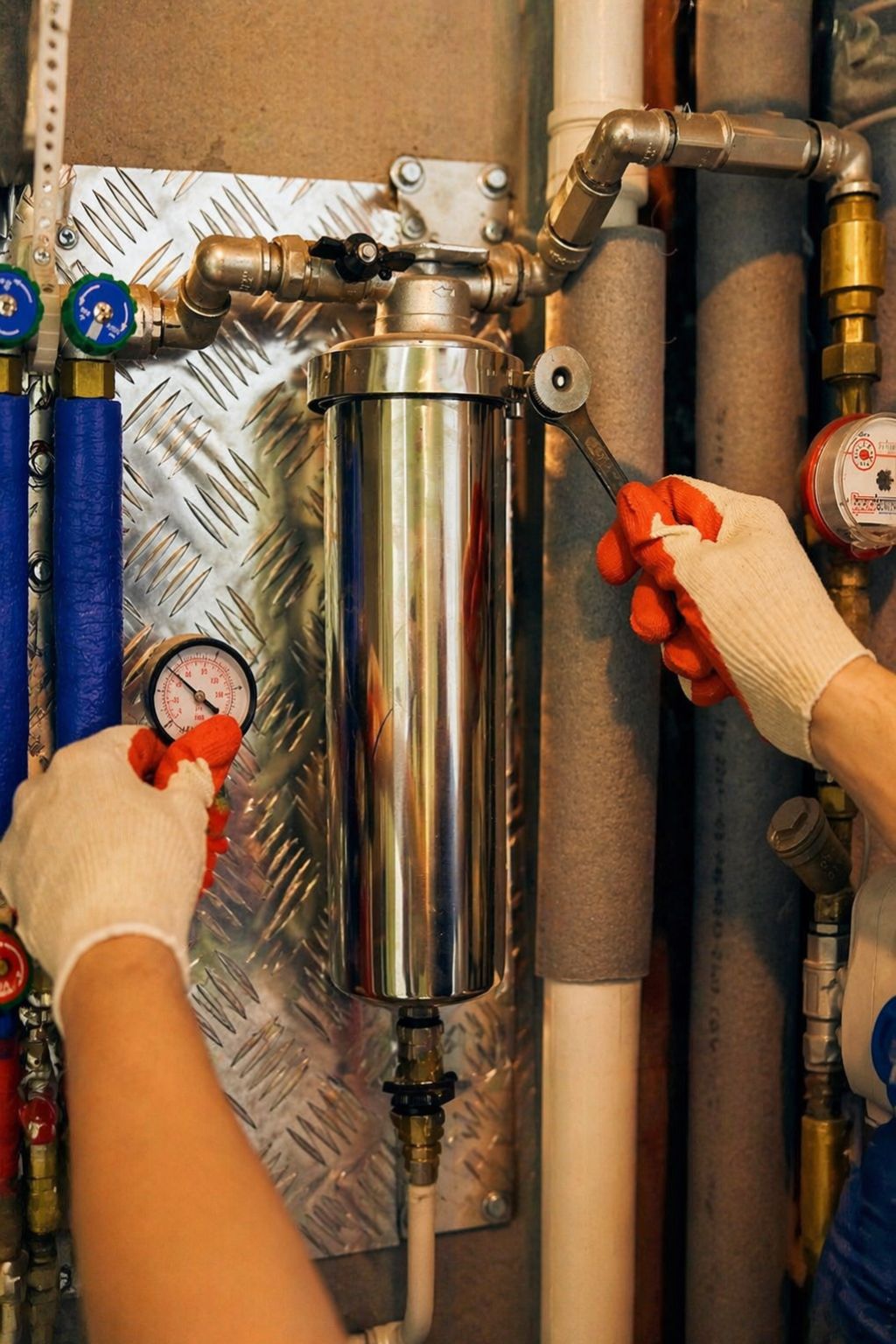
How a Whole-House Water Filtration System Is Installed
1️⃣ Site Assessment
The incoming water line and available installation space are inspected to determine the optimal system layout and connection points.
2️⃣ System Positioning
Filtration tanks, control valves, and treatment stages are positioned to ensure proper flow direction and service accessibility.
3️⃣ Plumbing Integration
The system is connected to the main water supply using appropriate bypass valves and isolation points, allowing the system to be serviced without interrupting the household water supply.
4️⃣ System Commissioning
The filtration media are prepared, tanks are flushed, and control valves are programmed to match the designed flow rates and regeneration cycles.
5️⃣ Performance Check
The system is tested to confirm correct operation, water flow, and treatment performance.
Key reassurance
Because the system is installed at the point of entry, it treats all water used throughout the home without requiring changes to internal plumbing fixtures.
Over time, this provides consistent safety for drinking, cooking, and washing.
In addition, the system operates quietly and with minimal maintenance.
Complete Water Treatment Solutions for Your Home
We provide tailored water treatment solutions designed around your specific water quality.
Filtration systems improve overall water quality across your property. They remove sediment and particles that can affect clarity, system performance, and equipment reliability.
- Improve water clarity and consistency
- Protect pipework and internal systems
- Support performance of UV and other treatments
- Suitable for full-property water supply
Hard water can cause limescale buildup in pipes, appliances, and heating systems.
While UV treats bacteria, water softeners improve overall water quality and system efficiency.
✔️ Reduce limescale in pipes and appliances
✔️ Improve efficiency of heating systems
✔️ Extend lifespan of household equipment
✔️ Often combined with UV systems for full protection
Iron and manganese are common in private wells and can affect both water quality and UV performance.
If present, they should be treated before installing a UV system.
✔️ Prevent staining on sinks, baths, and laundry
✔️ Improve taste and appearance of water
✔️ Protect pipes and household systems
✔️ Ensure effective UV disinfection
→ Learn About Iron & Manganese Removal
Nitrates can affect private water supplies, especially in rural areas.
While UV treats bacteria, nitrate removal systems address chemical contamination.
✔️ Reduce nitrate levels in drinking water
✔️ Improve overall water safety
✔️ Suitable for private wells and rural homes
✔️ Works alongside UV as part of a complete system
→ Learn About Nitrate Removal
The right solution depends on your water quality.
That is why professional testing is always the first step.
At DryZone, we test your water, identify risks, and design a system that works in real conditions.
As a result, you avoid unnecessary installations and get the right treatment
• Professional Water Testing (Home & Business)
• Private Well Water Analysis
• Bacteria, Nitrate, Iron & Hardness Testing
• Pre-Installation Water Assessment
• Post-Treatment Verification Testing
• Water Softeners (Hard Water Treatment)
• Whole-Property Filtration Systems
• Iron & Manganese Removal
• Nitrate Reduction Systems
• UV Water Disinfection
• Well Disinfection (Shock Chlorination)
• Sediment & Borehole Filtration
• Bacteria Protection Systems
• Combined Treatment for Multiple Issues
• Custom Water Treatment System Design
• Professional Installation
• System Configuration for Optimal Performance
• Integration of Multiple Technologies
• Post-Installation Performance Checks
• Scheduled Servicing & System Checks
• Filter Replacement Programmes
• UV Lamp Replacement
• System Performance Monitoring
• Water Quality Re-Testing
• Long-Term Support
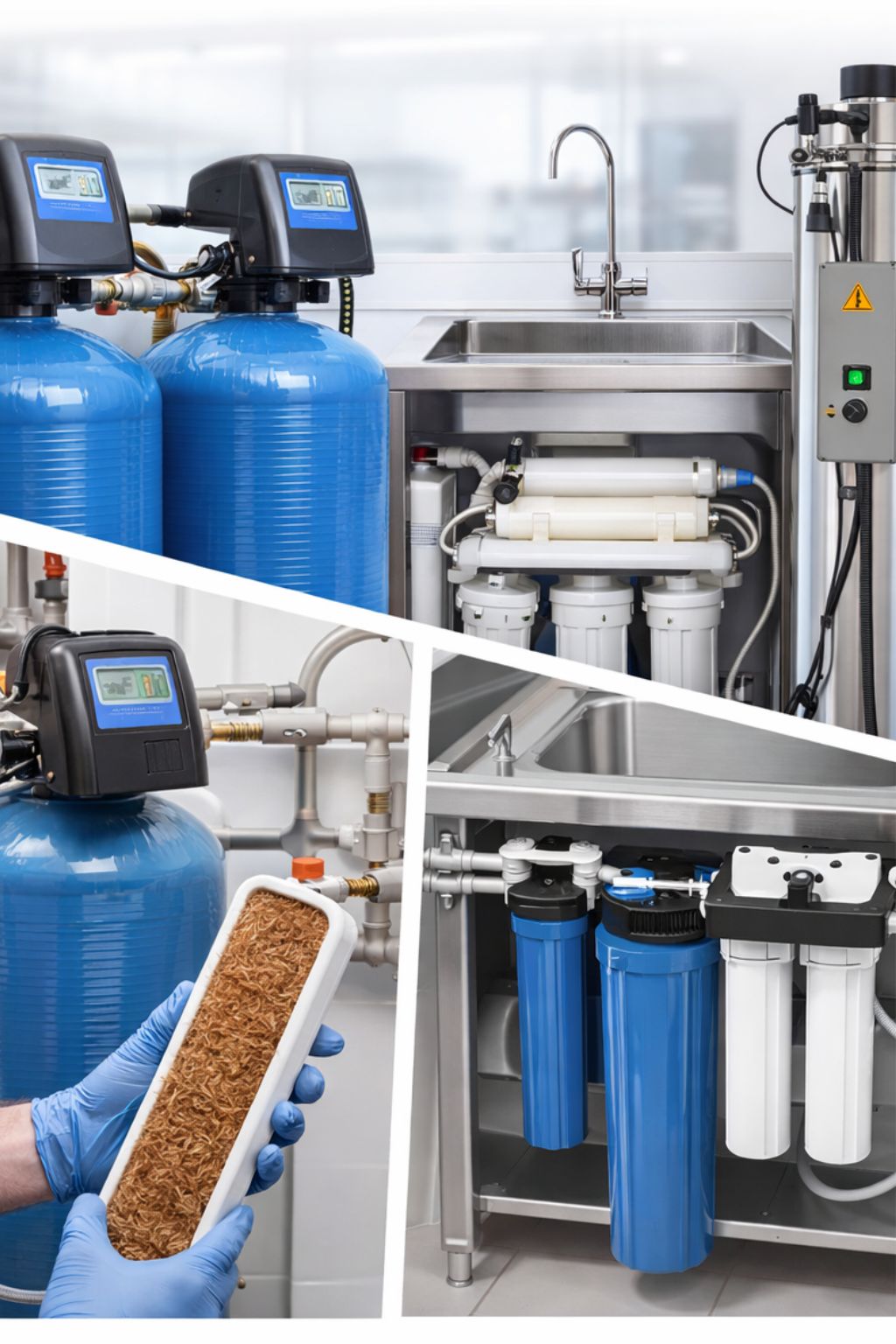
Serving Clare, Limerick, Galway & Tipperary
- County Clare (Shannon, Ennis, Killaloe, Kilrush, Scarriff, Tulla, Newmarket‑on‑Fergus, Sixmilebridge, Bunratty, Clarecastle, Quin , Cratloe and more)
- County Limerick (including Limerick city and surrounding areas)
- County Galway (Gort & especially the southern and eastern areas)
- County Tipperary (Nenagh, Borrisokane, and nearby)
If you’re not sure whether we serve your area, just send us a message — we’ll do our best to assist.

FAQ Whole House Water Filtration
Yes. While hard water is common in Ireland, the level of hardness varies by location and water source. Testing ensures the correct system size and configuration is selected for your home.
Private well water should typically be tested at least once a year, and more frequently if there are changes in taste, clarity or nearby land activity. Regular testing helps detect changes early.
Whole-house filtration treats water entering the entire property, improving overall quality for bathing, washing and appliances. Reverse osmosis systems are usually installed under the sink to provide enhanced filtration for drinking water only.
UV disinfection is commonly recommended for private wells where there is a risk of bacterial contamination. Testing determines whether UV treatment is appropriate for your supply.
It is possible — but not recommended. Without testing, you may install equipment that does not address the actual issue or is incorrectly sized for your water conditions.
Most residential water treatment systems can be installed within a single day, depending on system type and site conditions.
Properly installed and correctly sized systems are designed to maintain adequate household water pressure.
Yes. Regular servicing ensures consistent performance and helps extend system lifespan. We provide structured maintenance options to support long-term reliability.
We provide residential water treatment services across Clare, Limerick, Shannon, Ennis and surrounding areas in the West of Ireland.
The right system depends on your specific water results. Professional testing allows us to recommend a suitable solution based on evidence rather than assumptions.
Whether you’re just curious or urgently need answers — we’re here to help.
Tell us about your home, well, or business, and we’ll recommend the right test or filtration solution.
