
Understanding Your Water Test Results
Water test reports can contain dozens of parameters, from bacteria and nitrates to iron, manganese, hardness and pH. Understanding what these results mean is the first step in deciding whether any treatment is required and, if so, which solution may be appropriate for your water supply.
✓ Understand common drinking water parameters
✓ Learn what results may indicate
✓ See how different water problems are typically addressed
✓ Understand when treatment may or may not be necessary
✓ Make decisions based on measured results rather than guesswork
Why Water Test Results Need Interpretation
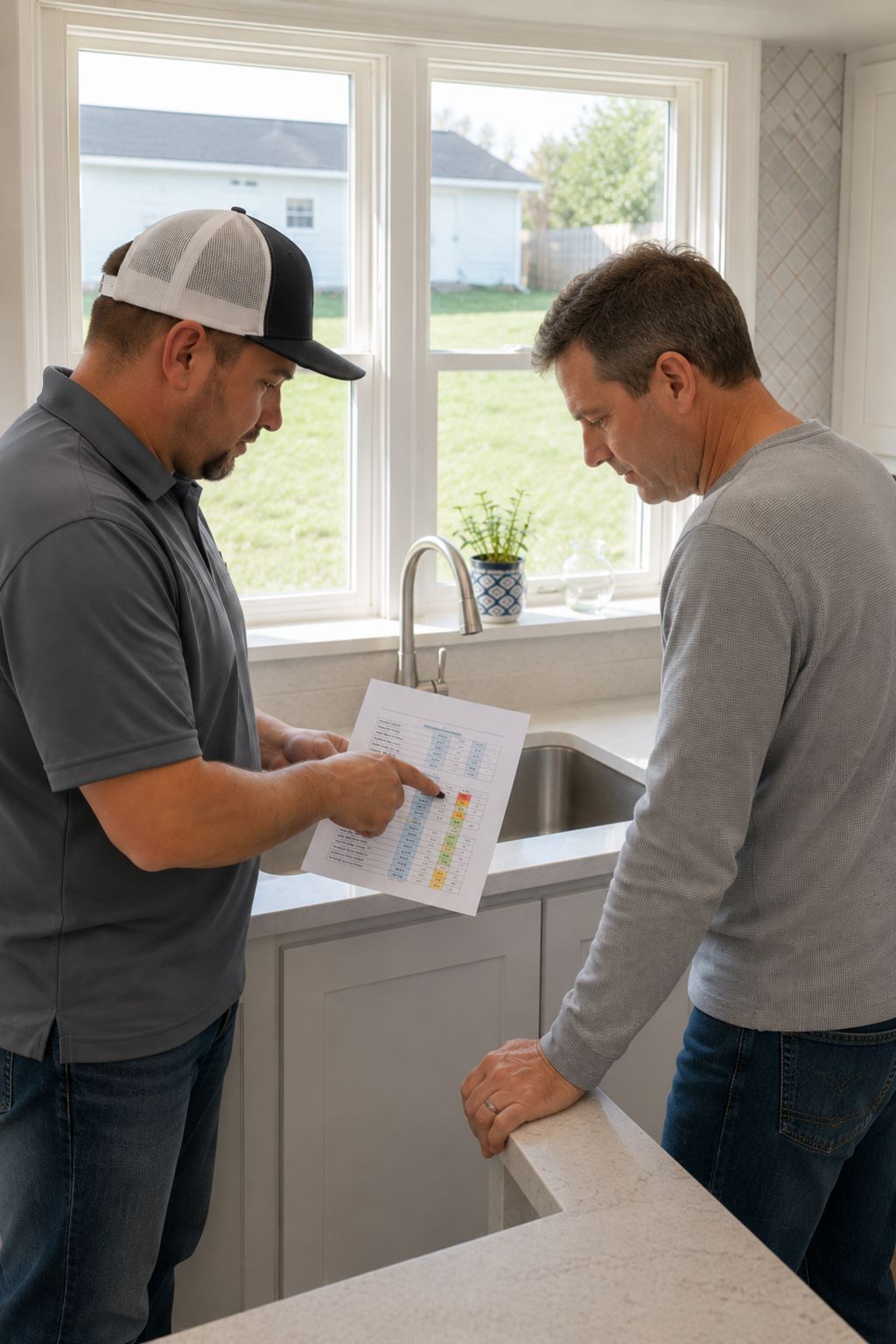
A water test report provides valuable information about the quality and composition of your water supply, but the results are not always straightforward.
Some parameters have clear drinking water standards, while others are used to assess water chemistry, treatment requirements or potential effects on plumbing and household equipment. A single elevated result does not always mean that treatment is required, and in many cases several parameters need to be considered together before recommendations can be made.
For example, iron, manganese and pH often influence one another when selecting treatment systems. Similarly, bacterial contamination, turbidity and well construction issues may need to be assessed together rather than as isolated results.
Water appearance alone is rarely a reliable indicator of water quality. Clear water may still contain bacteria, nitrates or dissolved contaminants, while coloured or stained water is not always a direct health concern.
Understanding what each result means is the first step in determining whether any action is required and which treatment options, if any, may be appropriate.
Understanding Different Types of Water Test Results
Water test reports often contain a wide range of results. To make them easier to understand, the parameters below are grouped into categories based on what they help assess.
Microbiological Parameters
Tests for bacteria and other microbiological indicators that may affect drinking water safety.
Typical parameters:
- Total Coliforms
- E. coli
- Legionella spp
- Enterococci
- Clostridium perfringens
- Pseudomonas aeruginosa
Toxic Substances & Heavy Metals
Used to identify metals and contaminants that may affect health, water quality or plumbing systems.
Typical parameters:
- Iron
- Manganese
- Copper
- Lead
- Nitrates
- Nitrites
- Ammonium
Water Hardness, pH & Mineral Content
Used to understand water chemistry and assess treatment requirements.
Typical parameters:
- pH
- Hardness
- Calcium
- Magnesium
- Electrical Conductivity
- Alkalinity
- ORP
Taste, Smell & Appearance
Helps identify common water quality concerns noticed by homeowners and businesses.
Typical parameters:
- Turbidity
- Colour
- Taste
- Odour
Filtration & Equipment Protection Parameters
Important for system design, equipment protection and treatment performance.
Typical parameters:
- Chlorides
- Sulphates
- Silica
- Carbon Dioxide
- Free Chlorine
- Total Chlorine
- Dissolved Oxygen
Radon & Radiation Screening
Additional testing services available where radon or radiation concerns may exist.
Typical services:
- Radon Gas Screening
- Gamma Radiation Screening
- Water Vapour Radon Screening
Microbiological Results Explained
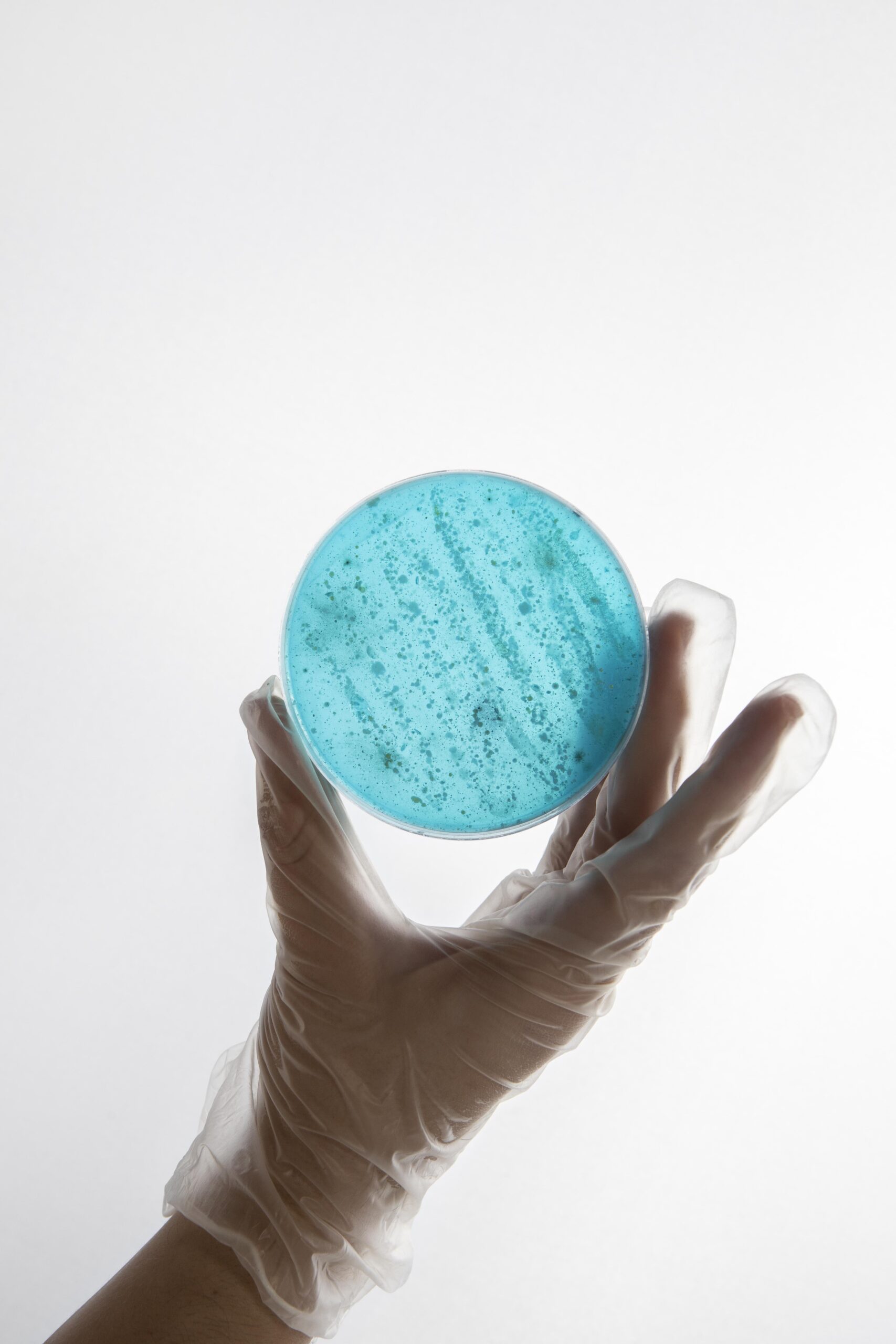
Microbiological testing is used to identify bacteria and other organisms that may indicate contamination of a water supply. Unlike colour, taste or odour issues, microbiological contamination is often impossible to detect without testing.
For several microbiological indicators, Irish and European drinking water regulations require a result of 0 organisms per 100 ml of water. These organisms are tested because they can indicate contamination pathways, inadequate source protection or conditions that may allow harmful microorganisms to enter a water supply.
Total Coliforms Detected
Drinking Water Standard
According to Irish and European drinking water regulations, Total Coliforms should not be detected in drinking water samples (0 per 100 ml).
Why Are Total Coliforms Tested?
Total Coliforms are commonly found in soil, vegetation and surface water. They are used primarily as indicator organisms.
This means that while Total Coliforms are not necessarily harmful themselves, their presence may suggest that contamination is entering the water supply somewhere between the source and the tap.
What Can Cause A Positive Result?
- Poorly sealed wells
- Surface water entering a borehole
- Contaminated storage tanks
- Pipework contamination
- Inadequate disinfection
Why Does It Matter?
A positive result may indicate that the water supply is vulnerable to contamination and that other microorganisms could potentially enter the system.
E. coli Detected
Drinking Water Standard
According to Irish and European drinking water regulations, E. coli should not be detected in drinking water samples (0 per 100 ml).
Why Is E. coli Important?
E. coli is considered one of the most important microbiological indicators in drinking water testing because it is strongly associated with faecal contamination.
What Can Cause E. coli Contamination?
- Septic tank influence
- Livestock activity
- Animal waste entering groundwater
- Flooding events
- Surface water ingress
- Poor well construction
Why Does It Matter?
The presence of E. coli indicates that contamination from human or animal waste has entered the water supply.
While the test does not identify every possible pathogen, a positive E. coli result suggests that disease-causing microorganisms may also be present.
Typical Next Steps
- Investigate the source of contamination
- Inspect the water supply and well construction
- Consider corrective works
- Review disinfection requirements
- Carry out follow-up testing
Legionella spp Detected
Regulatory Position
Legionella is not assessed using the same drinking water standard applied to E. coli or Total Coliforms. Assessment depends on the type of building, water system design and intended use.
Why Is Legionella Tested?
Unlike many other waterborne bacteria, Legionella is generally not a concern because people drink the water.
The primary concern is inhalation of contaminated water droplets.
Exposure can occur through:
- Showers
- Taps
- Spa pools
- Cooling systems
- Hot water systems
Why Does It Matter?
Legionella can cause Legionnaires’ Disease, a potentially serious form of pneumonia.
People at higher risk include:
- Older adults
- Smokers
- Individuals with weakened immune systems
Where Is Testing Most Relevant?
- Hotels
- Nursing homes
- Schools
- Sports facilities
- Apartment buildings
- Commercial properties
Enterococci Detected
Drinking Water Standard
According to Irish and European drinking water regulations, Enterococci should not be detected in drinking water samples (0 per 100 ml).
Why Are Enterococci Tested?
Enterococci are another indicator of faecal contamination.
They are often tested alongside E. coli because they can sometimes survive longer in water and may provide additional information about contamination sources.
What Can A Positive Result Suggest?
- Groundwater contamination
- Septic tank influence
- Livestock contamination
- Surface water entering the source
Why Does It Matter?
A positive result indicates that contamination has entered the water supply and that further investigation is usually required to identify the source and assess the overall condition of the water system.
Clostridium perfringens Detected
Drinking Water Standard
According to Irish and European drinking water regulations, Clostridium perfringens should not be detected in drinking water samples (0 per 100 ml).
Why Is Clostridium perfringens Tested?
This organism is different from many other microbiological indicators because it produces highly resistant spores.
These spores can survive in the environment for long periods and are much more resistant than many other bacteria.
What Can A Positive Result Suggest?
- Surface water influence
- Historic contamination events
- Long-term contamination pathways
- Vulnerability of the water source
Why Does It Matter?
Where Clostridium perfringens is detected, it may indicate that contamination has been affecting the water source over an extended period rather than representing a recent isolated event.
For this reason, it is often used to assess the long-term security of private wells and other vulnerable water supplies.
Pseudomonas aeruginosa Detected
Regulatory Position
Pseudomonas aeruginosa is not typically used as a general indicator of drinking water safety in the same way as E. coli or Enterococci.
It is often monitored in specific environments where water hygiene is particularly important.
Why Is Pseudomonas Tested?
This bacterium can colonise water systems, pipework, storage tanks and fixtures.
It is especially relevant where vulnerable individuals may be exposed.
Where Is It Most Commonly Monitored?
- Healthcare settings
- Nursing homes
- Hotels
- Leisure facilities
- Commercial water systems
Why Does It Matter?
While it may not present the same type of contamination pathway information as E. coli, its presence can indicate water hygiene issues within a distribution system and may require further investigation depending on the type of property involved.
What If More Than One Microbiological Parameter Is Positive?
Microbiological results should not always be interpreted individually.
For example:
- Total Coliforms positive + E. coli negative may indicate a vulnerability within the water system without confirmed faecal contamination.
- E. coli positive + Enterococci positive may provide stronger evidence that contamination from human or animal waste has entered the supply.
- Clostridium perfringens combined with other indicators may suggest a long-term contamination pathway rather than a recent event.
For this reason, water test results are normally assessed as a whole rather than focusing on a single parameter in isolation.
Metals, Nitrates and Toxic Substances Explained
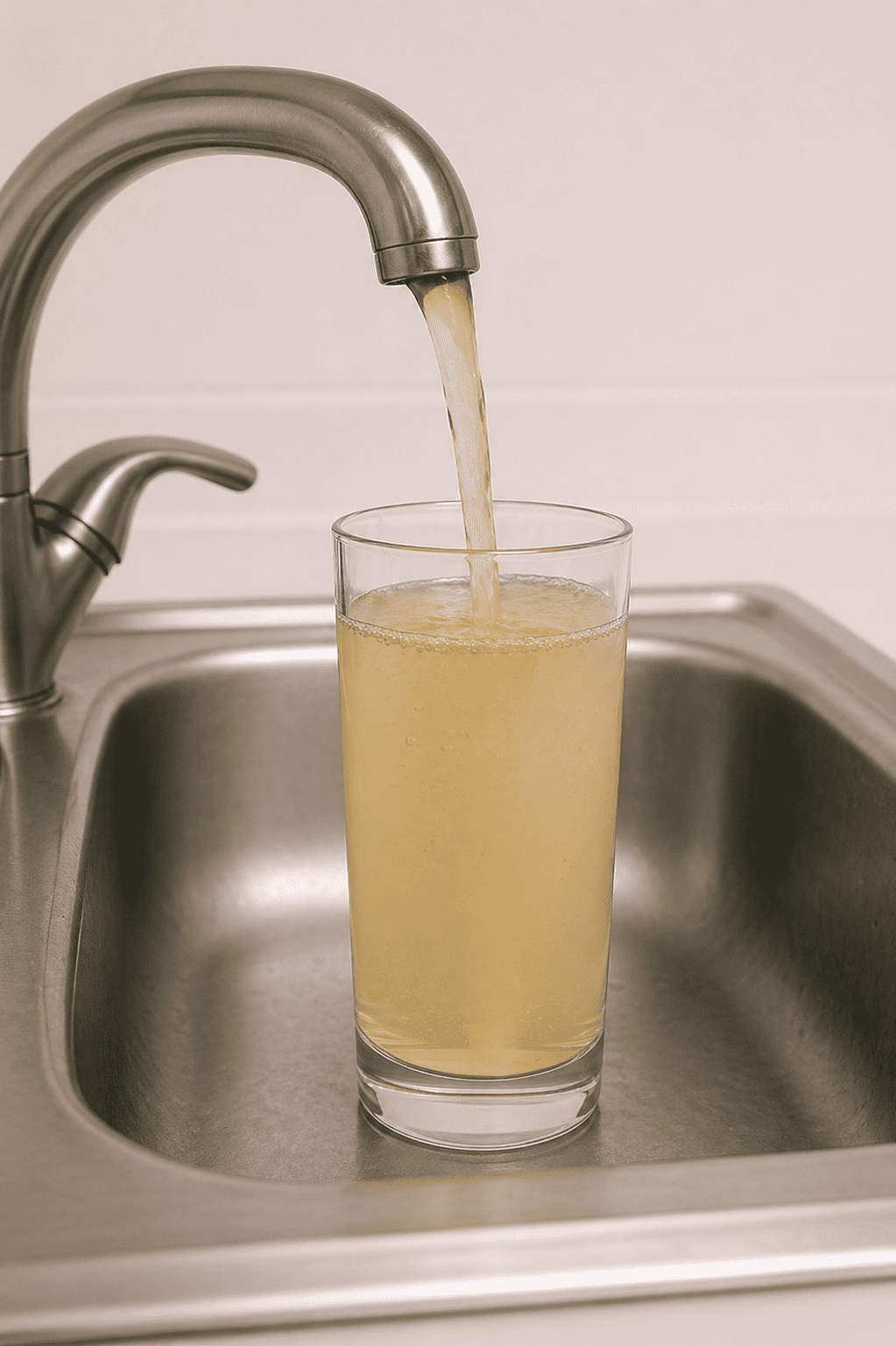
Metals, nitrates and other chemical parameters can affect drinking water safety, water appearance, plumbing systems and treatment requirements.
Some of these parameters are regulated because of potential health concerns, while others are monitored because they can cause staining, taste issues or damage to household equipment.
Iron (Fe)
Indicator Value
According to Irish and European drinking water standards, iron should not normally exceed 200 μg/L (0.2 mg/L).
Why Is Iron Tested?
Iron is one of the most common water quality issues found in private wells and boreholes.
Common Signs of Elevated Iron
- Orange or brown staining
- Metallic taste
- Discoloured water
- Blocked filters
- Build-up in pipework
Why Does It Matter?
Iron is usually considered more of an operational and aesthetic issue than a direct health concern.
However, elevated iron can create persistent staining problems and increase maintenance requirements throughout the property.
Typical Treatment Options
- Iron Removal Systems
- Oxidation & Filtration
- Media Filtration Systems
Manganese (Mn)
Indicator Value
According to Irish and European drinking water standards, manganese should not normally exceed 50 μg/L (0.05 mg/L).
Why Is Manganese Tested?
Manganese is frequently found alongside iron in groundwater supplies.
Common Signs of Elevated Manganese
- Black staining
- Dark deposits in toilets and sinks
- Metallic taste
- Build-up within plumbing systems
Why Does It Matter?
Although manganese can initially appear to be only a staining issue, elevated levels may create ongoing water quality and maintenance problems if left untreated.
Typical Treatment Options
- Iron & Manganese Removal Systems
- Oxidation & Filtration
- Specialist Media Filtration
Nitrates (NO₃)
Drinking Water Limit
According to Irish and European drinking water regulations, nitrates should not exceed 50 mg/L.
Why Are Nitrates Tested?
Nitrates are commonly associated with agricultural activity, fertiliser use and contamination entering groundwater.
Why Does It Matter?
Unlike iron or manganese, nitrates are primarily a health-related parameter.
Particular concern exists for:
- Infants
- Young children
- Pregnant women
Common Sources
- Agricultural runoff
- Fertilisers
- Septic systems
- Groundwater contamination
Typical Treatment Options
- Nitrate Reduction Systems
- Reverse Osmosis Systems
- Alternative water supplies in some circumstances
Nitrites (NO₂)
Drinking Water Limit
According to Irish and European drinking water regulations, nitrites should not exceed 0.5 mg/L.
Why Are Nitrites Important?
Nitrites are often considered alongside nitrates because they may indicate ongoing contamination processes within the water supply.
Why Does It Matter?
Elevated nitrite levels may represent a more immediate concern than nitrates and should be investigated promptly.
Lead (Pb)
Drinking Water Limit
According to Irish and European drinking water regulations, lead should not exceed 10 μg/L.
Why Is Lead Tested?
Lead is rarely associated with natural groundwater conditions.
In most cases it originates from older plumbing components, pipework or fittings.
Why Does It Matter?
Lead is a toxic metal and prolonged exposure should be avoided.
Typical Next Steps
- Identify lead-containing plumbing materials
- Consider plumbing upgrades
- Evaluate drinking water treatment options
Copper (Cu)
Drinking Water Limit
According to Irish and European drinking water regulations, copper should not exceed 2 mg/L.
Why Is Copper Tested?
Copper is commonly associated with household plumbing systems.
What Can Cause Elevated Copper?
- Corrosive water
- Low pH water
- New copper pipework
Common Signs
- Metallic taste
- Blue-green staining
- Plumbing corrosion issues
Ammonium (NH₄)
Indicator Value
According to drinking water standards, ammonium is monitored because it may indicate contamination or changes within a water source.
Why Is It Tested?
Ammonium can sometimes indicate:
- Groundwater contamination
- Agricultural influence
- Decomposition of organic matter
Why Does It Matter?
Elevated ammonium may affect water treatment performance and can sometimes indicate underlying source water issues.
Why Chemical Results Should Be Assessed Together
Many chemical parameters are linked.
For example:
- Iron and manganese often occur together.
- Nitrates and nitrites may indicate related contamination pathways.
- Copper results may need to be assessed alongside pH and water corrosivity.
- Treatment recommendations often depend on several parameters rather than a single result.
For this reason, chemical water test results are normally reviewed as a complete water profile before treatment recommendations are made.
Hardness, pH and Mineral Balance Explained
Not all water test results are linked directly to health concerns. Some parameters are used to assess water chemistry, scaling potential, corrosion risk and the suitability of different treatment technologies.
These results help determine how water may affect plumbing systems, appliances and water treatment equipment over time.
pH
Recommended Drinking Water Range
According to Irish and European drinking water standards, pH should normally fall between 6.5 and 9.5.
Why Is pH Tested?
pH measures how acidic or alkaline water is.
Why Does It Matter?
Water with a low pH may:
- increase corrosion;
- attack copper pipework;
- contribute to elevated metal levels;
- reduce the lifespan of plumbing components.
Water with a high pH may:
- increase scale formation;
- affect treatment performance;
- influence chlorine effectiveness.
Common Signs
- Blue-green staining
- Metallic taste
- Corrosion of fittings
- Plumbing deterioration
General Hardness
Regulatory Position
There is no health-based drinking water limit for hardness.
Why Is Hardness Tested?
Hardness is one of the most important parameters when assessing domestic water treatment requirements.
Hardness is primarily caused by dissolved calcium and magnesium.
Why Does It Matter?
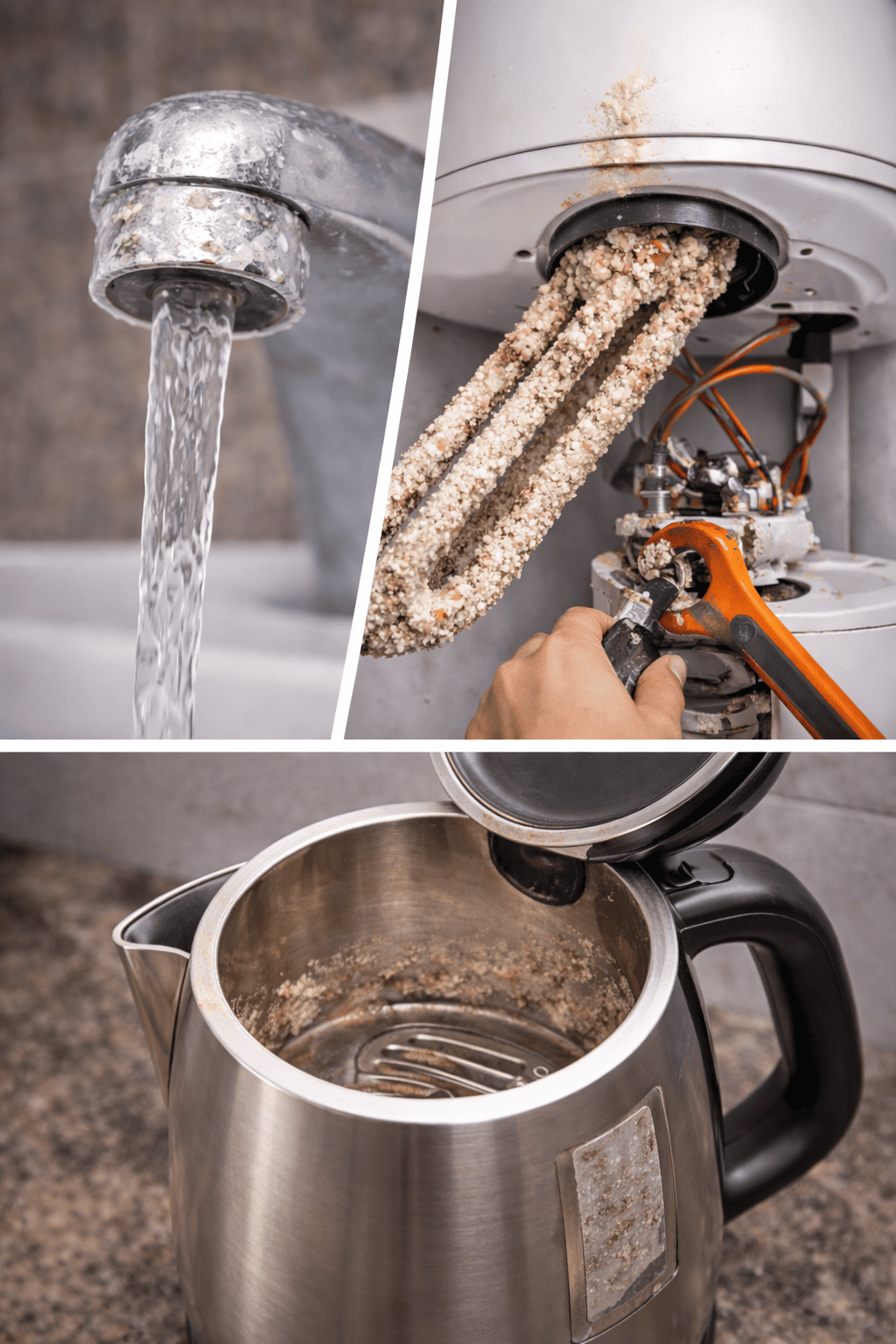
Hard water can lead to:
- Limescale formation
- Reduced appliance efficiency
- Higher energy consumption
- Shorter lifespan of boilers and heating systems
- Increased cleaning requirements
Common Signs
- White deposits on taps
- Kettles scaling rapidly
- Reduced shower performance
- Increased detergent consumption
Typical Treatment Options
- Water Softeners
- Scale Reduction Solutions
Calcium (Ca)
Why Is Calcium Tested?
Calcium is one of the main minerals responsible for water hardness.
Why Does It Matter?
Higher calcium concentrations generally increase scale formation throughout plumbing systems and appliances.
Why Is It Useful?
Calcium results help determine:
- hardness source;
- softener sizing;
- treatment design.
Magnesium (Mg)
Why Is Magnesium Tested?
Magnesium is the second major contributor to water hardness.
Why Does It Matter?
Together with calcium, magnesium influences scaling potential and overall hardness levels.
Why Is It Useful?
Magnesium concentrations help provide a more complete picture of water chemistry and treatment requirements.
Electrical Conductivity (EC)
Why Is Conductivity Tested?
Conductivity measures the ability of water to conduct electricity.
This is directly related to the amount of dissolved minerals and salts present in the water.
Why Does It Matter?
Conductivity provides a useful overall indication of water mineralisation.
Why Is It Useful?
It can help assess:
- groundwater characteristics;
- treatment requirements;
- overall water chemistry.
Alkalinity
Why Is Alkalinity Tested?
Alkalinity measures the water’s ability to resist changes in pH.
Why Does It Matter?
Low alkalinity may contribute to unstable water chemistry and increased corrosion risk.
Higher alkalinity can help stabilise pH and improve treatment performance.
Why Is It Useful?
Alkalinity is often considered alongside:
- pH
- hardness
- conductivity
when designing treatment systems.
Oxidation Reduction Potential (ORP)
Why Is ORP Tested?
ORP provides information about the oxidising or reducing characteristics of water.
Why Does It Matter?
ORP can help evaluate:
- disinfection performance;
- treatment efficiency;
- overall water chemistry.
Why Is It Useful?
Although not commonly discussed by homeowners, ORP can be useful when assessing water treatment processes and system performance.
Salt Level
Why Is Salt Level Tested?
Salt concentration helps assess overall water composition and may be relevant when evaluating certain treatment technologies.
Why Does It Matter?
Elevated salt levels may influence:
- taste;
- corrosion potential;
- treatment selection.
Why Is It Useful?
Salt measurements can provide additional context when interpreting conductivity and overall mineral content results.
Why Water Chemistry Matters For Treatment Design
Many treatment systems are selected not because a single parameter exceeds a drinking water limit, but because the overall water chemistry affects how water behaves within a property.
For example:
- Hardness influences water softener requirements.
- pH affects corrosion risk and treatment performance.
- Conductivity helps assess dissolved mineral content.
- Alkalinity affects water stability.
For this reason, water chemistry parameters are often reviewed together when designing a water treatment system.
Taste, Smell, Colour and Appearance Results
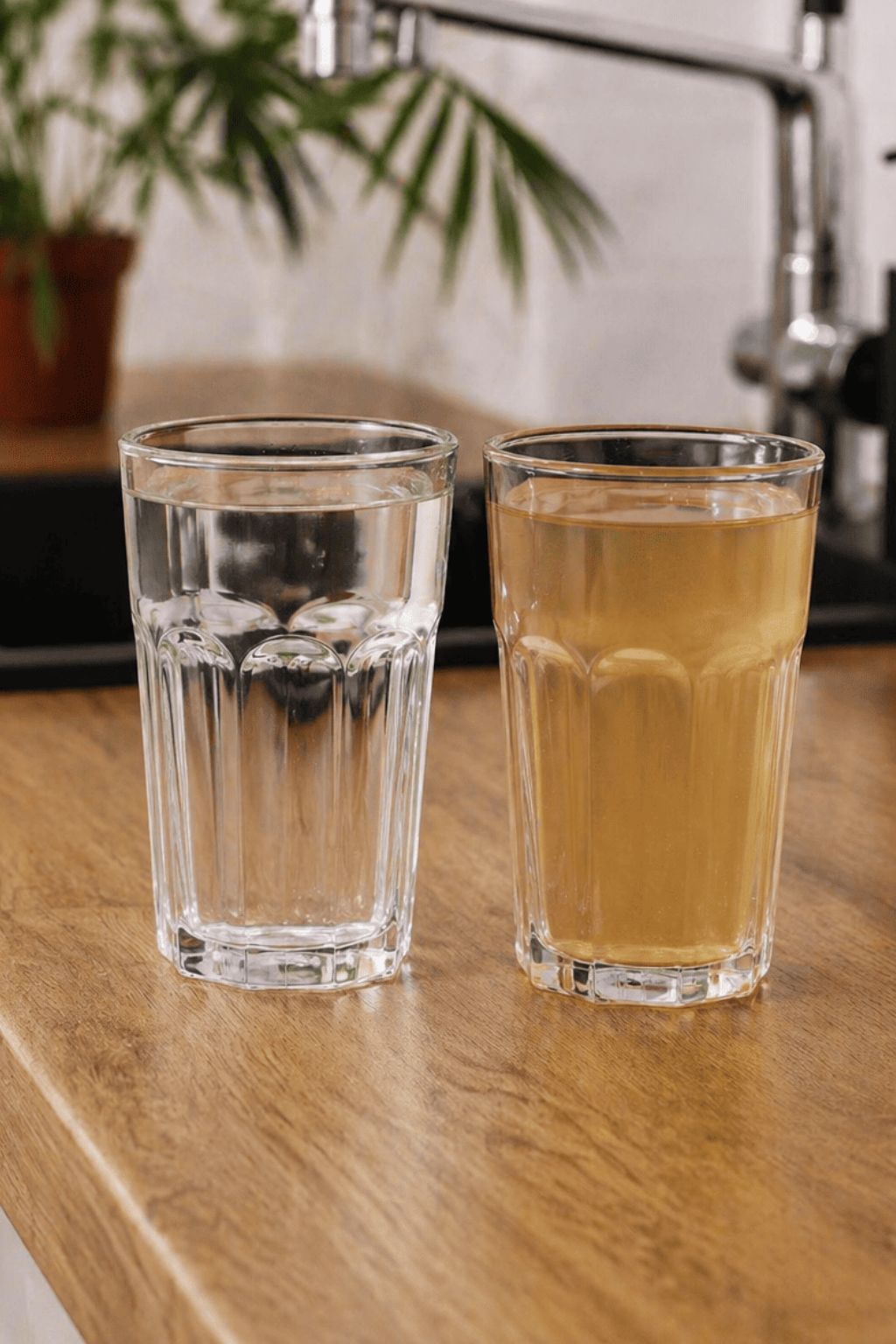
Many water quality concerns are first noticed through changes in appearance, taste or odour. While these observations can provide useful clues, they do not always indicate whether water is safe or unsafe to drink.
Some serious contaminants have no taste, smell or colour, while some noticeable water quality issues may be largely aesthetic rather than health-related.
Turbidity
What Is Turbidity?
Turbidity measures how clear or cloudy water appears.
It is caused by very small suspended particles that remain present in the water.
Why Is Turbidity Tested?
Cloudy water may indicate:
- suspended sediment;
- surface water influence;
- disturbed wells;
- filtration problems;
- increased microbiological risk.
Why Does It Matter?
Elevated turbidity can interfere with treatment processes, particularly UV disinfection systems.
In some situations, turbidity may also indicate that contamination pathways exist within the water supply.
Common Signs
- Cloudy water
- Water that appears milky or hazy
- Sediment settling in containers
Colour
Why Is Colour Tested?
Water can become discoloured for a variety of reasons.
Common Causes
- Iron
- Manganese
- Organic matter
- Peat influence
- Disturbed groundwater conditions
Why Does It Matter?
Discolouration does not automatically mean the water is unsafe.
However, colour often provides useful information about underlying water chemistry and may indicate the need for further investigation.
Common Signs
- Yellow water
- Orange water
- Brown water
- Black staining
Taste
Why Is Taste Assessed?
Changes in taste are one of the most common reasons people request water testing.
Common Taste Complaints
- Metallic taste
- Bitter taste
- Salty taste
- Chlorine taste
What Can Cause Taste Issues?
Possible causes include:
- Iron
- Manganese
- Chlorine
- Elevated mineral content
- Plumbing materials
- Water treatment equipment
Why Does It Matter?
Taste alone cannot determine whether water is safe or unsafe.
Many contaminants have no noticeable taste at all, while some unpleasant tastes may be caused by parameters that are not considered health risks.
Odour
Why Is Odour Assessed?
Unusual smells are another common reason for water quality investigations.
Common Water Odours
- Sulphur or rotten egg smell
- Musty odour
- Earthy odour
- Chlorine smell
What Can Cause Water Odours?
Possible causes include:
- Naturally occurring sulphur compounds
- Bacterial activity
- Organic matter
- Chlorinated public water supplies
- Water stagnation
Why Does It Matter?
Water odours often indicate that further testing may be beneficial to identify the underlying cause rather than treating the symptom alone.
Common Misconceptions About Water Appearance
Clear Water Does Not Always Mean Safe Water
Many contaminants cannot be seen, tasted or smelled.
Examples include:
- E. coli
- Nitrates
- Nitrites
- Lead
A water supply may appear completely normal while still containing contaminants that require investigation.
Coloured Water Does Not Always Mean Dangerous Water
Iron, manganese and naturally occurring organic matter can cause significant colour changes without necessarily creating an immediate health concern.
Testing helps determine whether the issue is aesthetic, operational or potentially health-related.

Filtration & Equipment Protection Parameters
Some water test parameters are not primarily assessed for drinking water safety. Instead, they help evaluate how water may affect plumbing systems, appliances, heating equipment and water treatment technologies.
These results are often used when selecting, sizing and maintaining water treatment systems.
Free Chlorine
Why Is Free Chlorine Tested?
Free chlorine is commonly used by public water suppliers to disinfect drinking water and control microbiological contamination.
Why Does It Matter?
While chlorine plays an important role in water safety, some people dislike:
- chlorine taste;
- chlorine odour;
- irritation when bathing or showering.
What Can Elevated Chlorine Affect?
- Taste and odour
- Activated carbon filter lifespan
- Reverse osmosis performance
- User comfort
Typical Treatment Options
- Activated carbon filtration
- Drinking water filtration systems
- Whole-house carbon filtration
Total Chlorine
Why Is Total Chlorine Tested?
Total chlorine includes both free chlorine and combined chlorine compounds present in the water.
Why Does It Matter?
Understanding total chlorine levels can help assess:
- disinfection performance;
- treatment requirements;
- filter selection.
Where Is It Most Relevant?
Primarily public water supplies rather than private wells.
Chlorides
Indicator Value
According to drinking water standards, chlorides should normally remain below 250 mg/L.
Why Are Chlorides Tested?
Chlorides occur naturally in water and may also be influenced by:
- coastal environments;
- road salt;
- agricultural activities;
- groundwater conditions.
Why Does It Matter?
Elevated chloride levels may contribute to:
- corrosion;
- salty taste;
- reduced equipment lifespan.
Sulphates
Indicator Value
According to drinking water standards, sulphates should normally remain below 250 mg/L.
Why Are Sulphates Tested?
Sulphates are naturally occurring minerals found in many groundwater sources.
Why Does It Matter?
Higher sulphate levels may contribute to:
- taste changes;
- scaling;
- corrosion concerns in some situations.
Silica (Silicon Dioxide)
Why Is Silica Tested?
Silica is a naturally occurring mineral found in many groundwater supplies.
Why Does It Matter?
Silica can contribute to stubborn deposits on equipment and treatment systems.
Why Is It Important For Treatment Design?
Silica may influence:
- membrane system performance;
- treatment selection;
- maintenance requirements.
Carbon Dioxide (CO₂)
Why Is Carbon Dioxide Tested?
Dissolved carbon dioxide can influence water chemistry and corrosion potential.
Why Does It Matter?
Elevated carbon dioxide levels may:
- lower pH;
- increase corrosivity;
- affect plumbing materials.
Why Is It Useful?
Carbon dioxide is often assessed alongside:
- pH
- alkalinity
- conductivity
to better understand water stability.
Dissolved Oxygen
Why Is Dissolved Oxygen Tested?
Dissolved oxygen measures the amount of oxygen present in water.
Why Does It Matter?
Oxygen plays an important role in many natural and engineered water treatment processes.
Why Is It Useful?
Dissolved oxygen levels may influence:
- iron behaviour;
- manganese behaviour;
- oxidation processes;
- treatment system performance.
How These Parameters Influence Treatment Design
When selecting a water treatment system, it is rarely a single parameter that determines the solution.
For example:
- chlorine levels may influence carbon filtration requirements;
- pH and carbon dioxide may affect corrosion control strategies;
- dissolved oxygen may influence iron and manganese treatment design;
- silica may affect membrane selection and maintenance planning.
For this reason, treatment systems are typically designed using the overall water profile rather than a single test result.
Radon and Radiation Screening Results
What Is Radon?
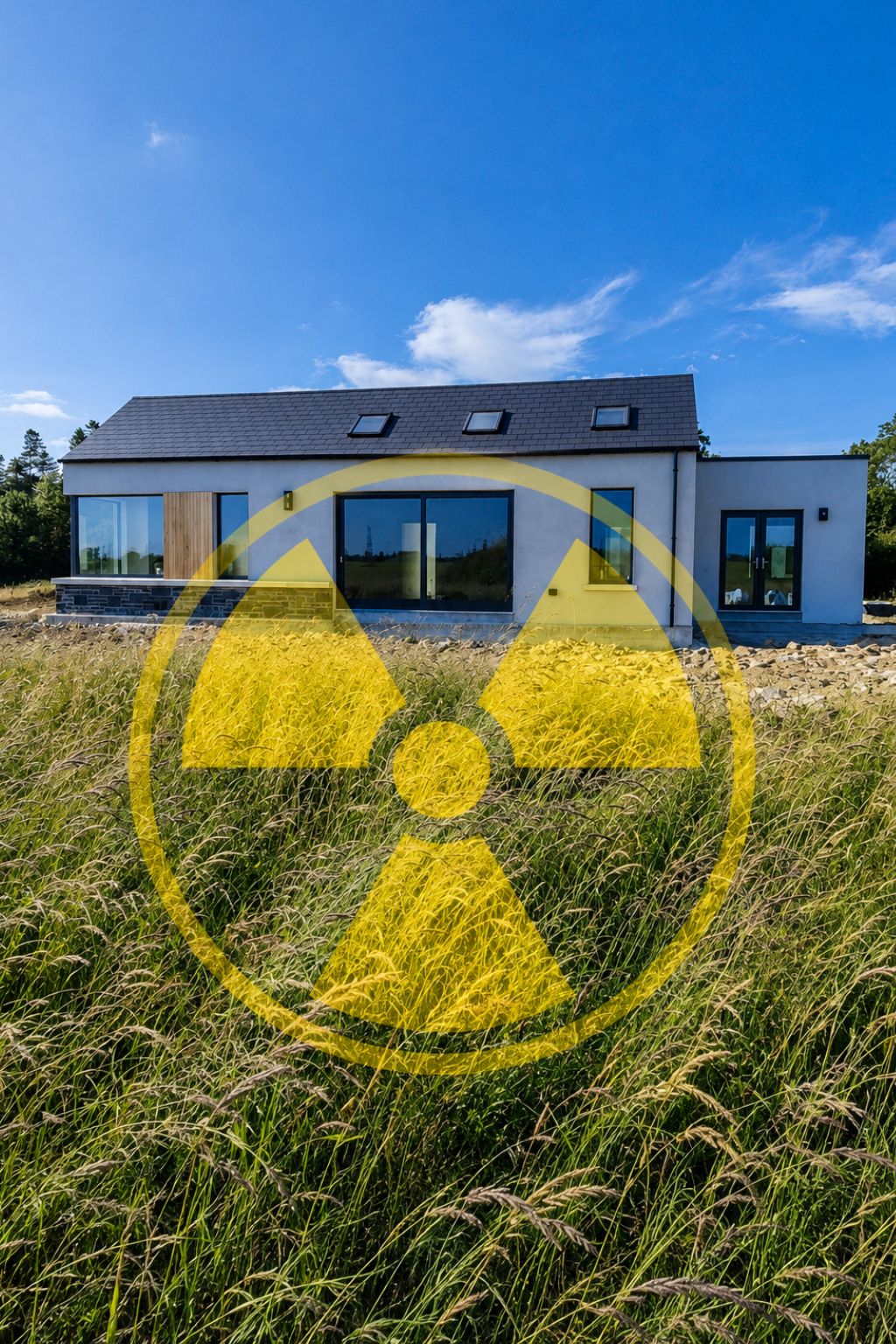
Radon is a naturally occurring radioactive gas formed by the breakdown of uranium in rocks and soil.
It cannot be:
- seen;
- smelled;
- tasted.
Testing is the only reliable way to determine whether radon is present.
Why Can Radon Be Relevant To Water Supplies?
In some groundwater sources, particularly private wells and boreholes, dissolved radon may enter the water supply.
When water is used within a property, a portion of the dissolved gas may be released into indoor air.
Why Does It Matter?
Radon is a radioactive gas that can accumulate inside buildings over time.
When radon is inhaled, radioactive particles produced during its natural decay process can become trapped within the lungs. Long-term exposure increases the risk of damage to lung tissue.
For this reason, radon exposure is considered one of the leading environmental causes of lung cancer after smoking.
The risk is generally associated with long-term exposure over many years rather than short-term contact.
When Is Testing Considered?
- Private wells
- Boreholes
- Properties in higher radon risk areas
- Pre-purchase investigations
- Environmental assessments
Gamma Radiation Screening
What Is Gamma Radiation Screening?
Gamma radiation screening is used to assess whether naturally occurring radioactive materials may be present within the surrounding environment or water source.
Why Is It Tested?
Most water supplies do not present radiation concerns.
However, screening may be useful where:
- geological conditions justify investigation;
- environmental assessments are being performed;
- additional reassurance is required.
Why Does It Matter?
Testing helps establish whether further specialist investigation may be necessary.
Water Vapour Radon Screening
Why Is Water Vapour Screening Performed?
Where radon is present in groundwater, testing can help assess the potential for radon transfer from water into indoor air.
Why Does It Matter?
This provides additional information when evaluating potential radon pathways within a property.
Typical Applications
- Private wells
- Boreholes
- Residential properties
- Property transactions
- Environmental investigations
Why These Tests Are Different
Most water testing focuses on:
- bacteria;
- minerals;
- metals;
- drinking water quality.
Radon and radiation screening assess different environmental factors and are usually considered only where specific circumstances indicate that additional investigation may be beneficial.
What Happens After You Receive Your Results?
Result Interpretation
The first step is understanding what the results mean in the context of the water source, property type and intended use.
Some results may require no action, while others may indicate that further investigation or treatment should be considered.
Treatment Design
Where treatment is required, systems should be selected based on measured data rather than assumptions.
Recommendations may consider:
- water chemistry;
- microbiological results;
- flow requirements;
- property usage;
- long-term maintenance requirements.
Professional Installation
Where appropriate, treatment systems may be professionally installed and commissioned to ensure they operate as intended.
Depending on the water supply, this may include:
- UV disinfection systems;
- water softeners;
- iron and manganese removal systems;
- nitrate reduction systems;
- whole-house filtration;
- drinking water filtration systems.
From Test Result to Treatment Recommendation
Water treatment recommendations are normally based on measured results rather than assumptions. The table below provides examples of common parameters and treatment approaches that may be considered depending on the overall water profile and property requirements.
| Water Test Result | What It May Indicate | Possible Treatment Options |
|---|---|---|
| E. coli | Faecal contamination of the water supply | UV Disinfection, source investigation, corrective works |
| Total Coliforms | Potential pathway for contamination | UV Disinfection, well inspection |
| Enterococci | Possible faecal contamination | Further investigation, UV Disinfection |
| Legionella | Potential exposure risk in specific systems | System assessment and control measures |
| Iron (Fe) | Staining, taste and equipment fouling | Iron Removal System |
| Manganese (Mn) | Black staining and deposits | Iron & Manganese Removal |
| Hardness | Limescale and appliance wear | Water Softener |
| Low pH | Corrosion of plumbing and fittings | pH Correction / Calcite Filter |
| High Nitrates | Elevated nitrate levels in drinking water | Nitrate Reduction System |
| Lead | Potential exposure from plumbing materials | Drinking Water Filtration, plumbing investigation |
| Copper | Possible pipe corrosion or low pH | pH Correction, plumbing assessment |
| Turbidity | Suspended particles in water | Sediment or Whole-House Filtration |
| Chlorine Taste or Odour | Residual disinfectant in public water | Activated Carbon Filtration |
| Unpleasant Taste or Odour | Various water quality factors | Drinking Water System or Carbon Filtration |
| Multiple Parameters | More than one water quality issue | Combined Treatment System |
Water treatment systems should be selected based on the complete water profile, water source, flow requirements and intended use. In some situations, further investigation or corrective works may be appropriate before treatment is considered.
Performance Verification
Installation alone does not always confirm that treatment objectives have been achieved.
Where appropriate, follow-up testing can help verify that the system is performing as expected and that water quality goals have been met.
Annual Service & Monitoring
Water treatment systems often require periodic maintenance to maintain performance over time.
Depending on the system installed, ongoing support may include:
✓ Filter replacement
✓ UV lamp replacement
✓ System inspection and servicing
✓ Annual water testing
✓ Performance verification
✓ Maintenance recommendations
Why Ongoing Monitoring Matters
Water quality can change over time due to seasonal variation, changes in groundwater conditions, property modifications or ageing equipment.
Periodic monitoring helps confirm that treatment systems continue to perform effectively and that water quality objectives remain satisfied.
Don’t risk your health. Order a water analysis from DryZone.
Choose a Water Testing Package or Build Your Own
We offer ready-made service packages based on common needs, or you can customise your test list for your unique situation by pressing the button “Request This Package” or “Get My Custom Quote”.
SMART WATER DIAGNOSTIC
A fast, professional water check-up for your private well, mains supply, or household system. Find out if your water is safe to drink and use — without lab delays or hidden costs.
- Nitrates(NO₃) – dangerous for children and pregnant women
- Iron(Fe) – causes rust stains, metallic taste, and sediment
- Chlorides(Cl⁻) & Hardness(GH) – affect taste, plumbing, appliances
- Turbidity, Taste & Odour – what you feel and smell every day
- pH & Conductivity – for balance, corrosion, and filter selection
- Advanced indicators – oxidation-reduction (ORP), salinity
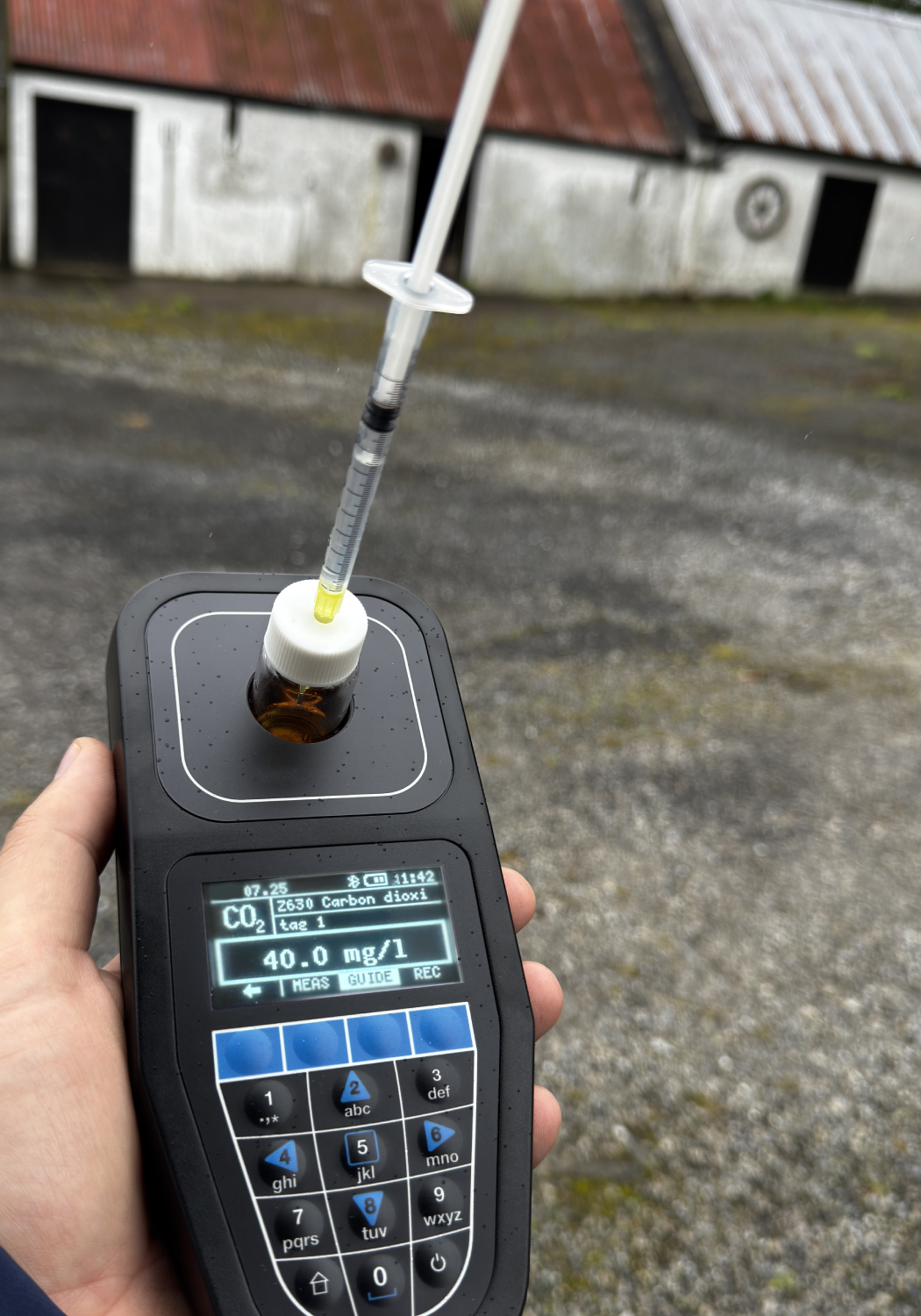
- Includes 11 essential water quality tests
- All tests done on-site, no sample delivery needed
- Professional interpretation of your results
- Clear advice on filtration, treatment, or what’s not needed
- Summary certificate report for personal or rental use
Ideal for homeowners, landlords, property buyers and private well users.
Get a professional summary with clear recommendations on filtration, treatment, and follow-up steps — based on your actual test results. Ideal for private wells and home system planning.
Helps you understand not just what’s in your water — but what to do about it.
We partner with INAB-accredited Irish laboratories to provide certified lab analysis on request. Turnaround: ~10-14 working days.
Perfect for property sales, schools, or legal disputes.
EXTENDED WATER QUALITY TEST
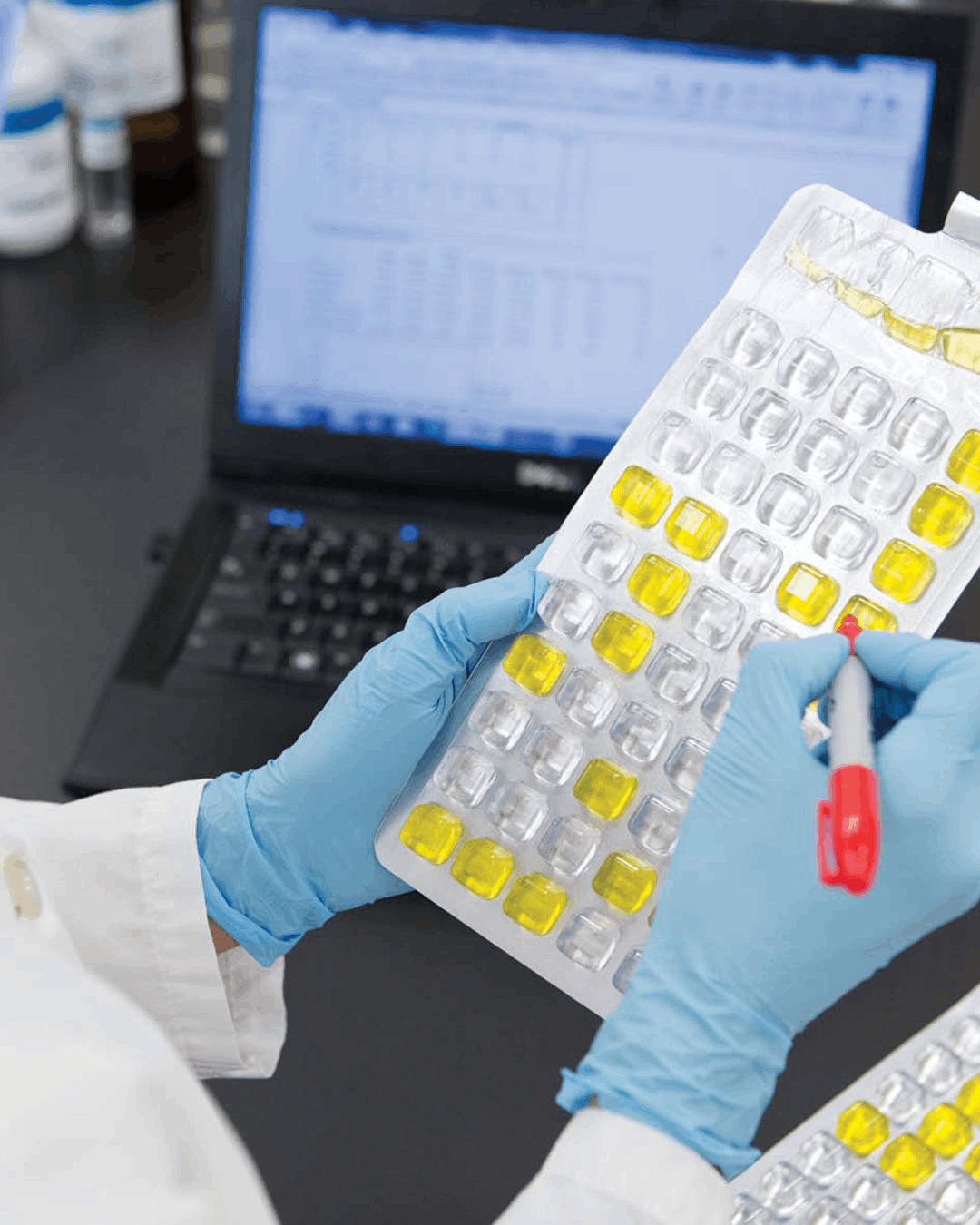
This package includes everything from Level 1, plus advanced microbiological tests, mineral balance, and water disinfection checks.
It’s the perfect choice if you rely on a private well, use filtration systems, or want to make sure your family drinks truly safe water.
Level up your water knowledge — and protect those who depend on it.
- Bacteria (E. coli, Total Coliforms) – detect contamination from wells, tanks, or plumbing
- Free & Total Chlorine – check disinfection efficiency and skin-safe levels
- Carbon Dioxide (CO₂) & Dissolved Oxygen (O₂) – vital for aeration and treatment planning
- Alkalinity (KH), Calcium (Ca), Magnesium (Mg), Sulfates (SO₄²⁻) – assess mineral balance and scaling risk
- ➕ Includes all Level 1 tests:
- • Nitrates (NO₃) – harmful to children and pregnant women
- • Iron (Fe) – causes rust stains and metallic taste
- • Chlorides (Cl⁻) & Hardness (GH) – affect taste, pipes, appliances
- • Turbidity, Taste & Odour – what you feel and smell every day
- • pH & Conductivity – for corrosion control and filter decisions
- • Advanced indicators – oxidation-reduction (ORP), salinity
- 21 in-depth water quality tests — physical, chemical, bacterial and mineral balance
- Bacteria check (E. coli, coliforms) — spot dangerous contamination early and needs a UV lamp
- Chlorine & disinfection test — see if your water is protected, disinfection efficiency and skin-safe levels
- Gas & mineral balance — helps plan or adjust filters, aeration, softeners
- Real-world results on-site — no waiting, no sample shipping
- Simple report — clear for your records or to show tenants or inspectors
- Trusted for wells, B&Bs, rentals, farms — built for real Irish water problems
This is not a basic check — it’s the smart standard for homes that take water seriously.
Get a professional summary with clear recommendations on filtration, treatment, and follow-up steps — based on your actual test results. Ideal for private wells and home system planning.
Helps you understand not just what’s in your water — but what to do about it.
We partner with INAB-accredited Irish laboratories to provide certified lab analysis on request. Turnaround: ~10-14 working days.
Perfect for property sales, schools, or legal disputes.

FULL WATER SAFETY TESTS
For homes, rentals and businesses where water safety can’t be left to chance.
This is the most advanced test we offer — with bacteria, heavy metals, Legionella and all critical risks covered.
- Legionella spp. – required for B&Bs, vulnerable groups, showers and rental checks
- Heavy metals: Lead (Pb), Copper (Cu), Manganese (Mn) – plumbing & health risk
- Nitrites (NO₂), Ammonium (NH₄) – pollution indicators, dangerous for kids
- Silica (Si) – scaling, clogging, filtration wear
- ➕ Includes all from Level 2 & Level 1:
- Full-spectrum testing for 30+ parameters
- Ideal for compliance, peace of mind, or resale
- Can be paired with an INAB-accredited certificate report
- Clear summary + add-on expert recommendations
- SWidely used by landlords, schools, B&Bs, clinics
If you’re renting, hosting or caring — this is the standard that protects you and others.
You don’t just check your water. You prove it’s safe.
Get a professional summary with clear recommendations on filtration, treatment, and follow-up steps — based on your actual test results. Ideal for private wells and home system planning.
Helps you understand not just what’s in your water — but what to do about it.
We partner with INAB-accredited Irish laboratories to provide certified lab analysis on request. Turnaround: ~8-12 working days.
Perfect for property sales, schools, or legal disputes.
Serving Clare, Limerick, Galway & Tipperary
- County Clare (Shannon, Ennis, Killaloe, Kilrush, Scarriff, Tulla, Newmarket‑on‑Fergus, Sixmilebridge, Bunratty, Clarecastle, Quin , Cratloe and more)
- County Limerick (including Limerick city and surrounding areas)
- County Galway (Gort & especially the southern and eastern areas)
- County Tipperary (Nenagh, Borrisokane, and nearby)
If you’re not sure whether we serve your area, just send us a message — we’ll do our best to assist.

FAQ
Water test reports often contain multiple parameters that need to be interpreted together. Some results are assessed against Irish and European drinking water standards, while others are used to evaluate water chemistry, treatment requirements or system performance.
Iron is typically considered more of an operational and aesthetic issue than a direct health concern. Elevated iron levels can cause staining, metallic taste, discoloured water and increased maintenance requirements for plumbing and appliances.
According to Irish and European drinking water regulations, nitrates should not exceed 50 mg/L. Elevated nitrate levels are particularly important for infants, young children and pregnant women.
Yes. Public water supplies can be tested for parameters such as chlorine, hardness, metals, taste and odour concerns, as well as drinking water quality issues that may affect homes or businesses.
Not always. The appropriate response depends on the parameter involved, the extent of the exceedance, the water source and the intended use. In some cases monitoring or corrective works may be sufficient, while in others treatment may be recommended.
In many situations, follow-up testing can help verify that a treatment system is performing as intended and that water quality objectives have been achieved.
Testing frequency depends on the water source, property type and previous results. Private wells are commonly tested periodically, particularly where water quality concerns, changes in taste or appearance, or system modifications occur.
The presence of E. coli suggests that disease-causing microorganisms may also be present in the water supply. Some strains of E. coli can cause illness, while its detection generally indicates that the water source may be vulnerable to faecal contamination.
Where E. coli is detected, further assessment is typically recommended to identify the source of contamination and determine appropriate corrective actions.
