
Drinking Water Systems for Homes in Ireland
Clean, safe drinking water should not depend on guesswork. Even when water looks clear, it may still contain contaminants that affect taste, odour or overall water quality.
DryZone provides professionally designed drinking water systems for homes across Clare, Limerick, Galway & Tipperary, including under-sink filtration and reverse osmosis (RO) systems. Rather than installing generic filters, we focus on evidence-based water treatment — starting with water testing, followed by proper system selection and professional installation.
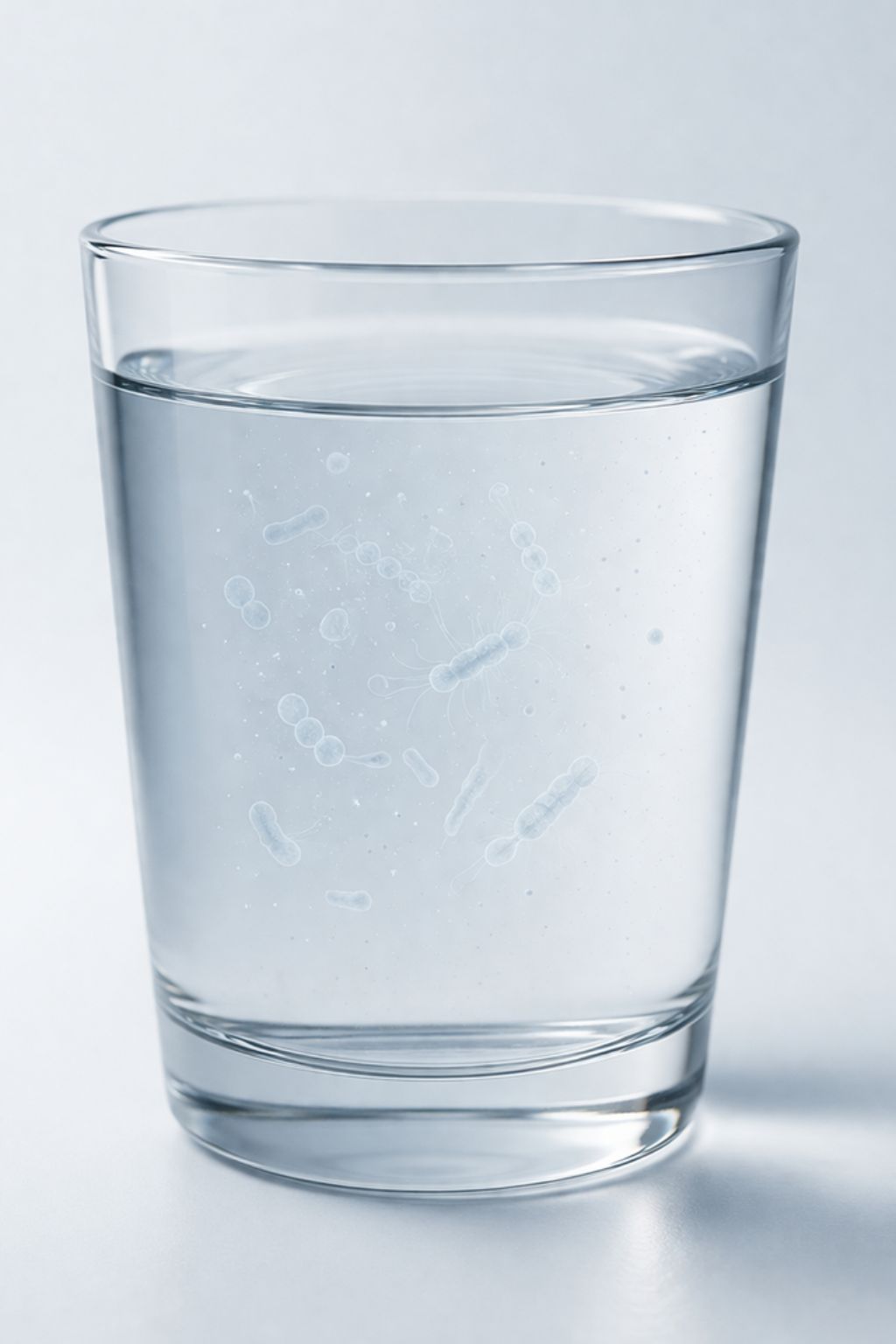
Why Your Drinking Water May Not Be as Safe as You Think
Many homeowners assume that if water looks clear and has no unusual smell, it must be safe to drink. In reality, some of the most common drinking water issues in Ireland cannot be seen, tasted or smelled. Private well water can contain nitrates, bacteria, iron, manganese or agricultural contamination, while mains water may still have chlorine taste, odour or other unwanted substances affecting drinking quality.
Water conditions can also change over time. Heavy rainfall, seasonal ground changes, nearby farming activity or ageing pipework may alter the composition of your water without obvious warning signs. This is one of the main reasons why relying on appearance alone is not enough when choosing a drinking water system.
At DryZone, we recommend starting with proper water testing before installing under-sink filtration or reverse osmosis systems. This allows the treatment solution to be based on actual water conditions rather than assumptions, helping homeowners choose the right drinking water solution for their home.
Not sure about the quality of your water?
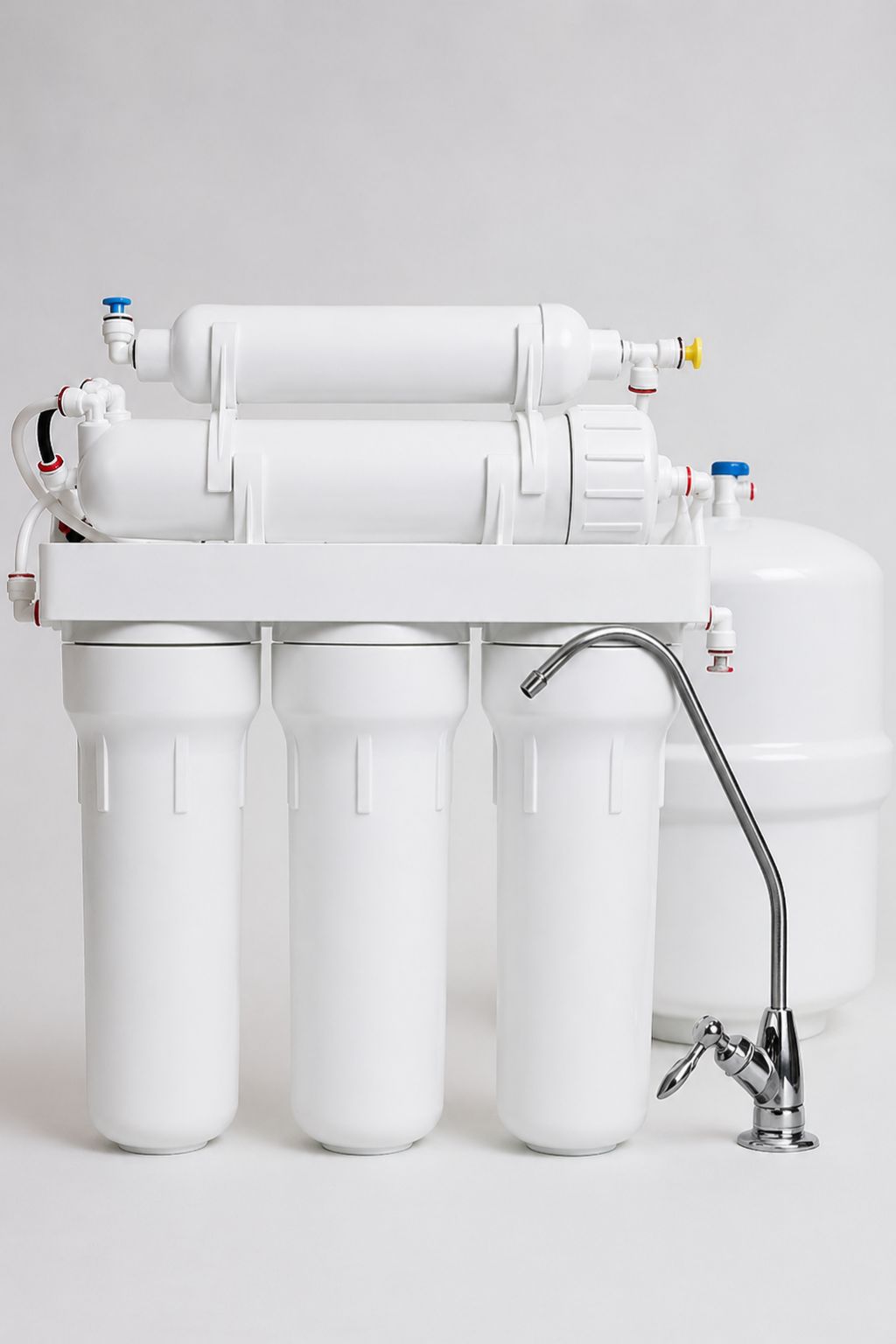
Drinking Water Solutions for Your Home
Different water problems require different treatment approaches. Some homes simply want better tasting drinking water, while others may need deeper filtration due to nitrates, dissolved contaminants or ongoing concerns about private well water quality. Choosing the correct system depends on both the water source and the actual results of water testing.
Under-Sink Drinking Water Filters
Under-sink filtration systems are designed to improve drinking water directly at the kitchen tap without treating the entire house supply. These systems are commonly used to reduce chlorine taste, odour and sediment while improving the overall quality of everyday water.
They are often suitable for homes connected to mains water or for private wells where basic drinking water improvement is required.
Reverse Osmosis (RO) Systems
Reverse osmosis systems provide a higher level of drinking water filtration by removing many dissolved contaminants that standard filters cannot effectively reduce. RO systems are commonly used where water testing identifies issues such as nitrates, elevated mineral content or certain dissolved impurities affecting water quality.
Because reverse osmosis systems must be correctly sized and configured for the property, proper testing and system design are essential before installation.
Choosing the Right Drinking Water System
At DryZone, we do not install generic “one-size-fits-all” filters. Every drinking water system is selected based on the water source, water test results, household usage and the specific concerns of the homeowner.
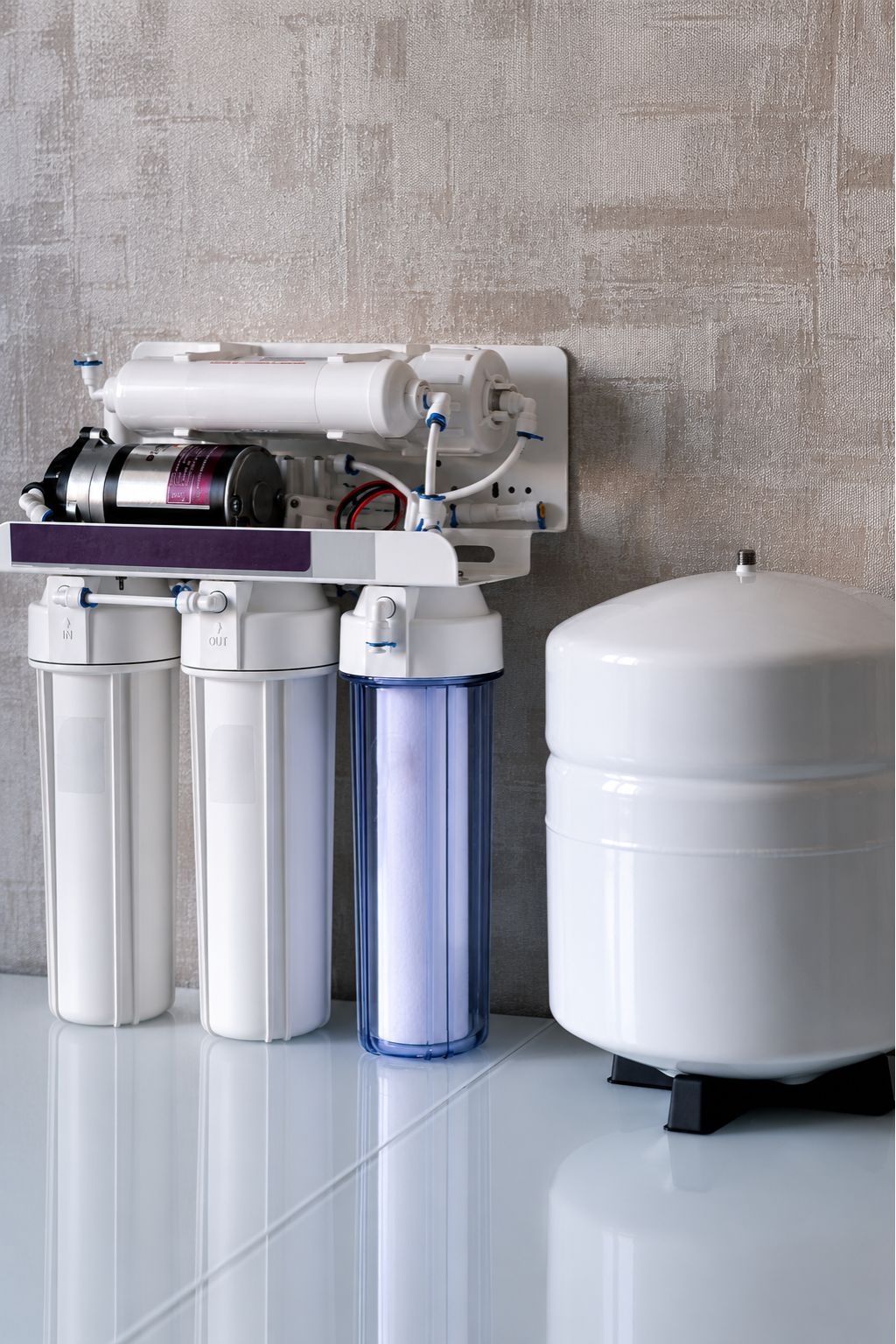
Why Install Reverse Osmosis If You Already Have Whole-House Filtration?
Many homeowners assume that once a whole-house filtration system or water softener is installed, their drinking water no longer requires additional treatment. In reality, whole-house systems and under-sink reverse osmosis systems are designed for completely different purposes.
Whole-house filtration systems are typically installed to protect plumbing, heating systems and household appliances from issues such as sediment, iron, manganese or hard water. Water softeners, for example, are highly effective for reducing limescale and protecting boilers, showers and pipework — but they are not designed to provide high-level drinking water purification at the kitchen tap.
A reverse osmosis system works differently. Instead of treating the entire household supply, it focuses specifically on the water used for drinking and cooking. RO membranes are capable of reducing many dissolved contaminants that standard whole-house filters may not effectively remove, including nitrates, elevated TDS levels and certain dissolved substances affecting drinking water quality.
This is why many homes across Clare, Limerick, Galway & Tipperary use a combination approach:
- Whole-house treatment for overall water management
- Reverse osmosis for dedicated drinking water purification
Another important advantage is consistency. During events such as boil water notices, local contamination incidents, flooding or sudden changes in mains or private well water quality, a properly maintained reverse osmosis system can provide an additional level of protection for drinking water used at the kitchen tap.
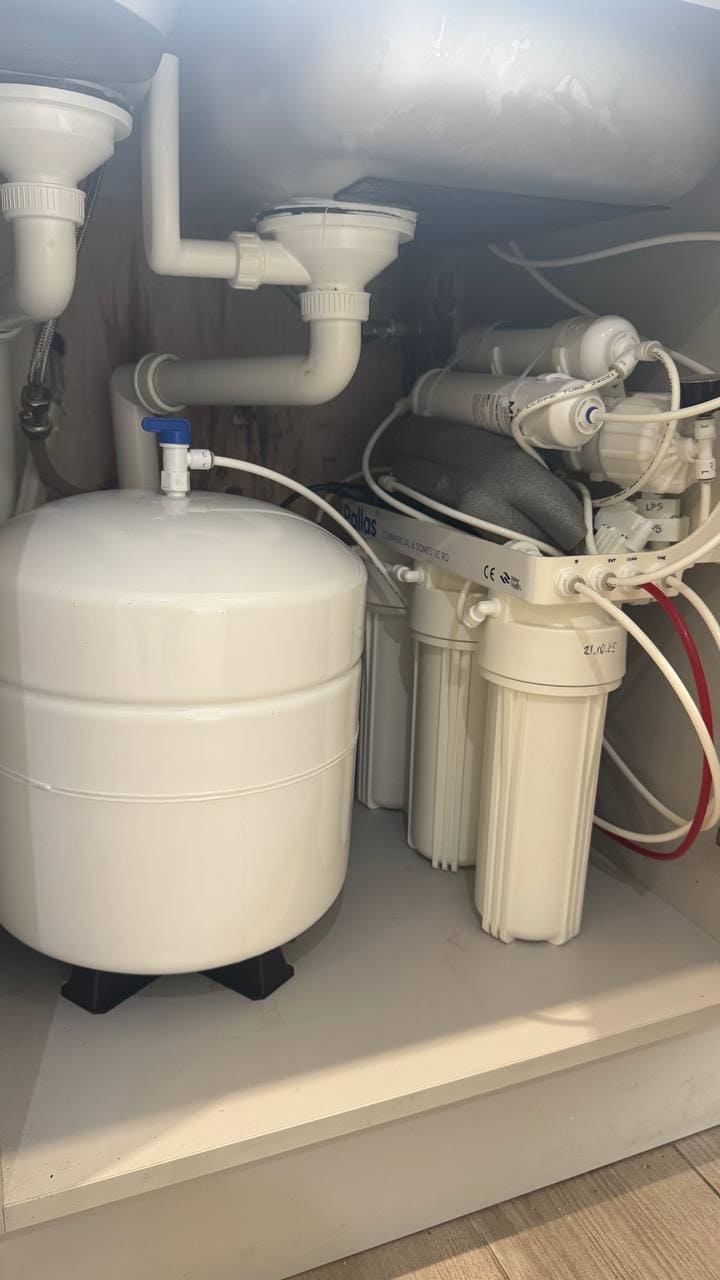
Many under-sink RO systems also include a small storage tank beneath the sink, meaning filtered drinking water remains available even during temporary water interruptions or pressure drops within the property.
In addition to water quality benefits, many homeowners also notice improvements in:
- Tea and coffee taste
- Cooking quality
- Ice clarity
- Reduced kettle residue
- Overall drinking water freshness
At DryZone, reverse osmosis systems are often installed alongside existing whole-house filtration systems where homeowners want a higher level of drinking water treatment specifically for consumption and food preparation.

Test Before You Install. Verify After.
One of the biggest mistakes in residential water treatment is installing a drinking water system without properly understanding what is actually present in the water. A filter that works well for chlorine taste may be completely ineffective against nitrates, dissolved metals or other contaminants commonly found in private well supplies.
At DryZone, every recommendation starts with understanding the water itself. Depending on the situation, this may include laboratory analysis, on-site testing or reviewing existing water reports before selecting an under-sink filtration or reverse osmosis system. This evidence-based approach helps avoid unnecessary equipment, incorrect filter selection and systems that fail to solve the real problem.
Where required, post-installation verification can also be carried out to confirm that the drinking water system is performing as intended. This “test before you install, verify after” process is part of how we provide drinking water solutions for homes across Clare, Limerick, Galway & Tipperary based on actual water conditions rather than assumptions.
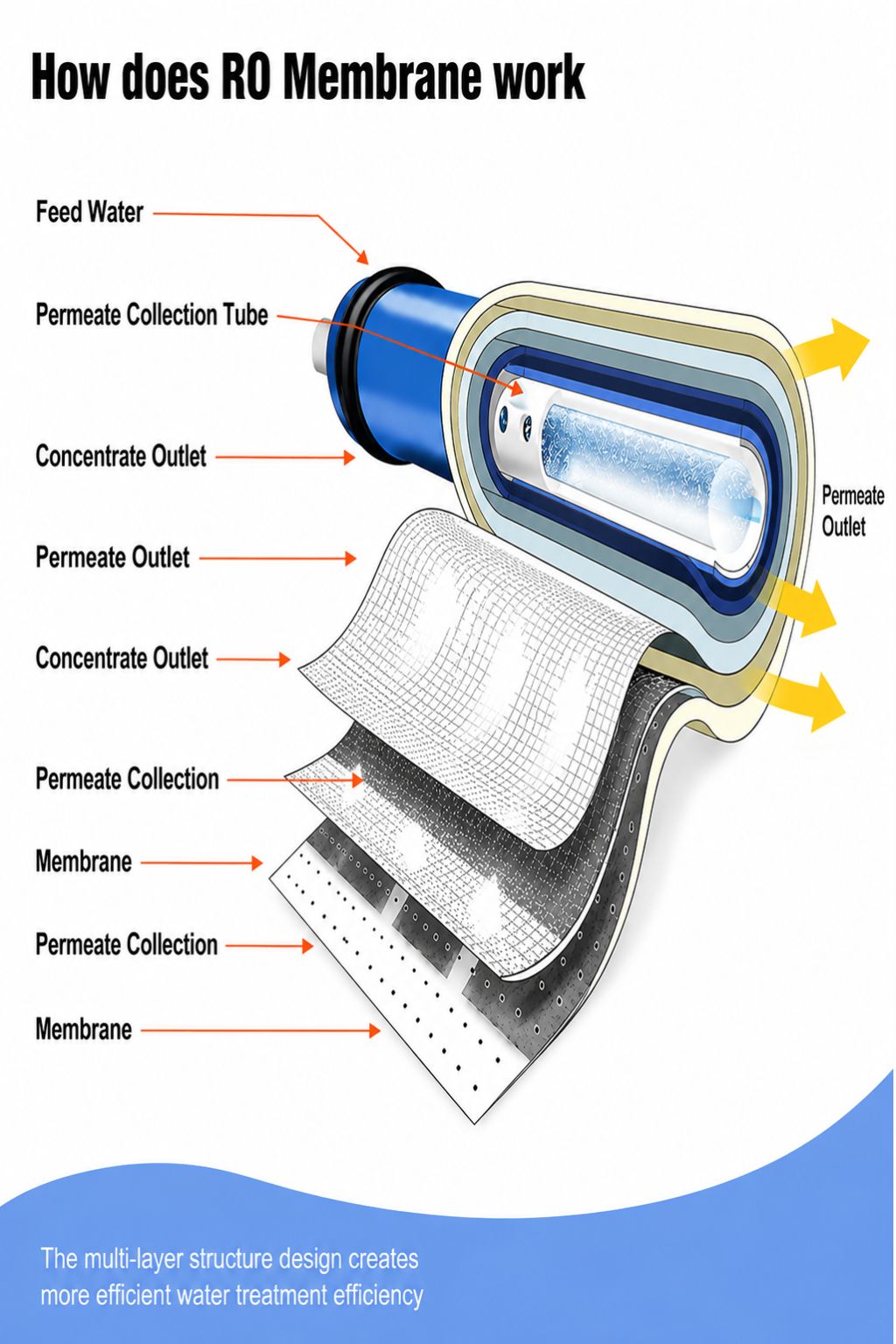
Types of Under-Sink Reverse Osmosis Systems
Not all reverse osmosis systems are the same. Modern under-sink RO systems can be configured in different ways depending on the incoming water pressure, available space, household usage and the specific water quality issues identified during testing.
Standard Reverse Osmosis Systems
Traditional RO systems use multiple filtration stages combined with a reverse osmosis membrane and a small storage tank beneath the sink. These systems are commonly used in residential properties because they provide stable drinking water production and maintain a reserve of filtered water ready for use.
RO Systems with Booster Pumps
Some homes, particularly those using private wells or lower-pressure water supplies, may not have sufficient pressure for an RO membrane to operate efficiently. In these situations, systems fitted with a booster pump can improve membrane performance, water production and overall filtration efficiency.
Tankless Reverse Osmosis Systems
Tankless RO systems are designed for properties where under-sink space is limited or where homeowners prefer a more compact modern setup. These systems produce filtered water on demand without relying on a large storage cylinder, although suitability depends on the water conditions and household requirements.
Multi-Stage RO Systems
Many reverse osmosis systems also include additional filtration stages before or after the membrane itself. Depending on the water quality, this may include:
- Sediment pre-filtration
- Activated carbon filtration
- Coconut carbon polishing filters
- KDF media for additional metal reduction
- Remineralisation cartridges
- pH correction stages
These additional stages help protect the membrane, improve taste and adapt the system to the specific characteristics of the drinking water supply.
Choosing the Correct RO Configuration
The correct reverse osmosis setup depends on more than simply choosing the “best filter.” Water pressure, contaminant levels, kitchen usage, maintenance requirements and available installation space all influence which type of system is most suitable for the property.
At DryZone, under-sink RO systems are selected based on actual water conditions and household requirements rather than generic off-the-shelf packages.

What Can Be Removed from Your Drinking Water?
Different drinking water systems are designed to target different types of contaminants. Some filters mainly improve taste and odour, while others are intended to reduce dissolved substances that may affect long-term water quality or suitability for drinking. This is why proper water testing is important before choosing any under-sink filtration or reverse osmosis system.
| Water Issue | Common Treatment Method | Why It Matters |
|---|---|---|
| Chlorine taste and odour | Activated carbon filtration | Can affect the taste and smell of drinking water |
| Sediment and particles | Sediment filtration | May clog taps, filters and household appliances |
| Bad taste in drinking water | Carbon filtration / RO | Reduces overall drinking water quality and usability |
| Nitrates and nitrites | Reverse osmosis (RO) | May require specialised treatment for safer drinking water |
| Certain dissolved metals | Reverse osmosis (RO) | Can affect water quality, taste and household fixtures |
| Elevated TDS (total dissolved solids) | Reverse osmosis (RO) | May cause unusual taste and affect drinking water quality |
| Organic compounds and some chemicals | Activated carbon filtration | Can contribute to unpleasant taste and odour issues |
| Combination of multiple issues | Multi-stage filtration systems | Different contaminants often require combined treatment technologies |
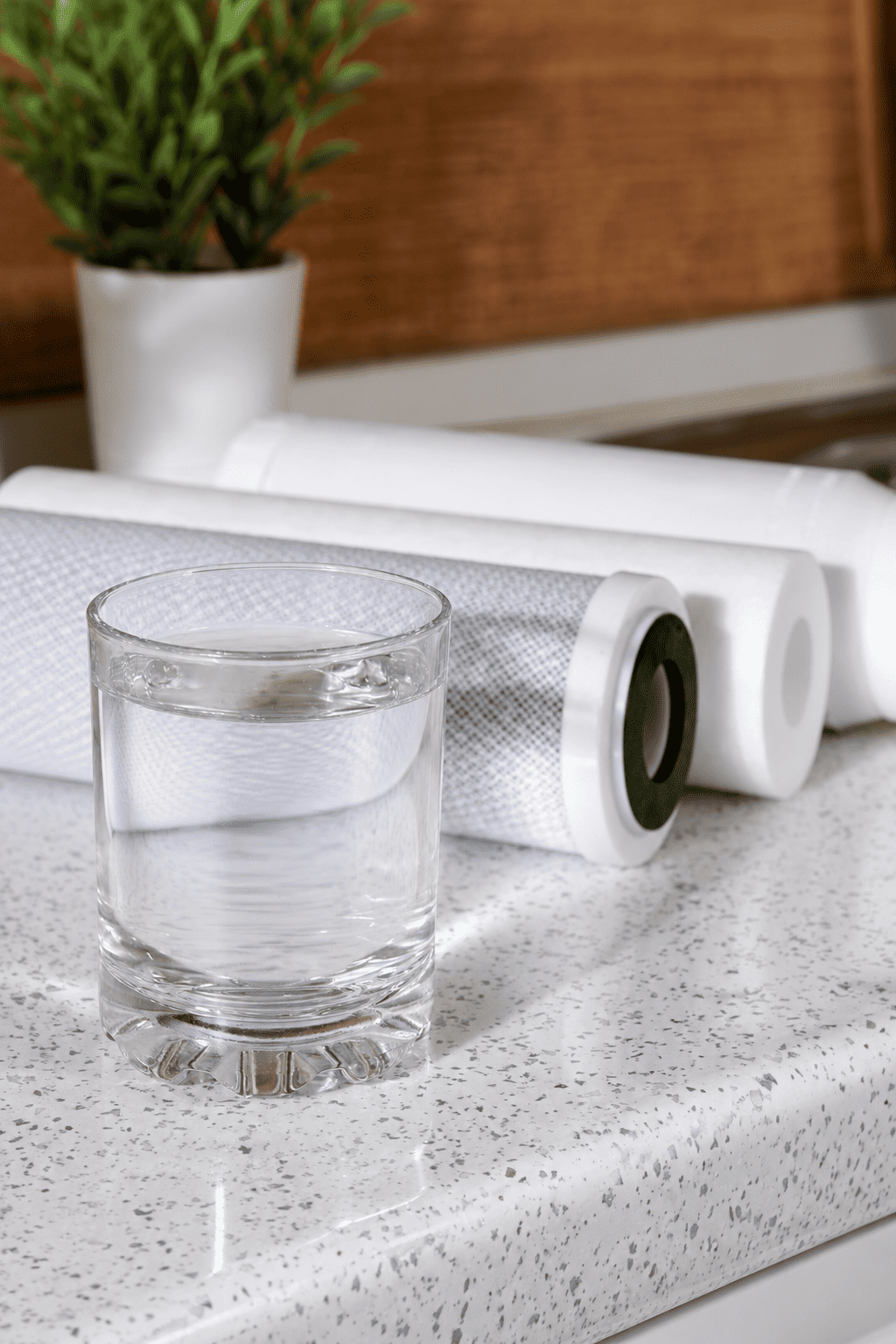
Is a Drinking Water System Right for Your Home?
A professionally installed drinking water system may be worth considering if you:
- Do not like the taste or smell of your tap water
- Use a private well supply at home
- Regularly buy bottled water for drinking
- Want cleaner water directly from the kitchen tap
- Have children or vulnerable family members at home
- Recently received a water test showing contamination or elevated levels
- Want a dedicated drinking water solution without filtering the entire house
Under-sink filtration and reverse osmosis systems are commonly installed in both private well and mains water homes.
How Installation Works?
Installing a drinking water system is usually a straightforward process when the correct solution has been selected for the property and water conditions.
1. Water Assessment
Where required, we begin by reviewing existing water test results or arranging water testing to better understand the condition of the drinking water supply. This helps determine whether a standard under-sink filter or a reverse osmosis system is more suitable.
2. System Selection
The drinking water system is selected based on the water source, household usage, available space and the specific issues affecting the water quality.
3. Professional Installation
Most under-sink filtration and RO systems are installed neatly beneath the kitchen sink with a dedicated drinking water tap where required. Installation is designed to minimise disruption to the home.
4. System Check and Guidance
After installation, the system is checked for correct operation and the homeowner is advised on filter replacement intervals, maintenance requirements and ongoing system care.
Maintenance and Filter Replacement
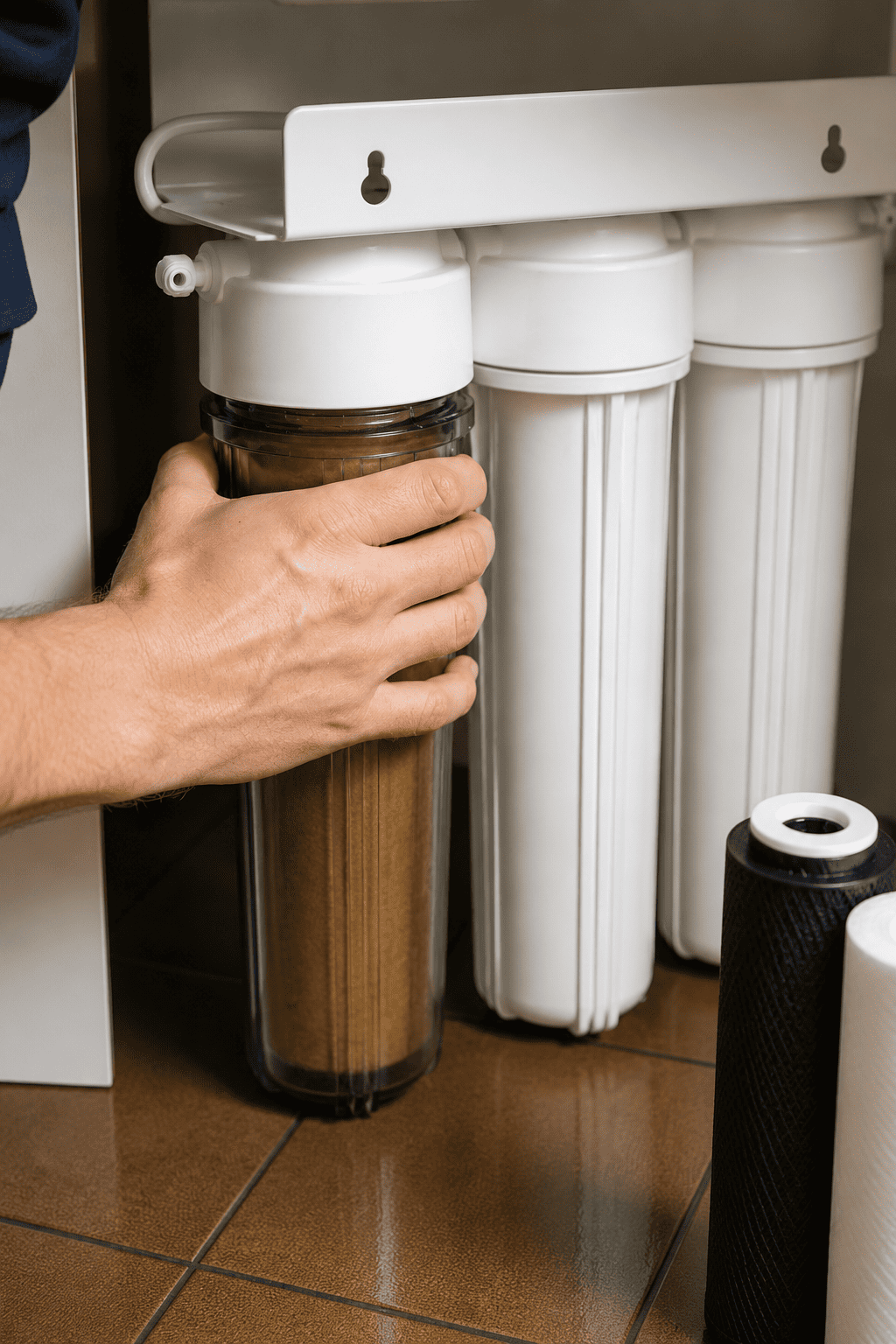
Like any water treatment equipment, drinking water systems require regular maintenance to continue operating correctly. Over time, filters become saturated with the contaminants they are designed to remove, which can reduce performance and affect drinking water quality if replacement intervals are ignored.
The maintenance requirements depend on the type of system installed, the amount of water used and the condition of the incoming water supply. Standard under-sink filtration systems typically require periodic cartridge replacement, while reverse osmosis systems may also require membrane servicing and system checks over time.
Proper maintenance helps to:
- Maintain drinking water quality and taste
- Protect the performance of the filtration system
- Prevent reduced flow rates and pressure issues
- Extend the lifespan of the equipment
- Ensure the system continues operating as intended
Common Concerns About Reverse Osmosis Water
Reverse osmosis systems are widely used in residential drinking water treatment, but many homeowners still have questions and misconceptions about how RO water is produced and whether it is suitable for everyday use.
“Is Reverse Osmosis Water the Same as Distilled Water?”
No. Although reverse osmosis removes many dissolved contaminants from drinking water, modern residential RO systems are not the same as industrial distillation systems. Many under-sink RO setups can also include remineralisation stages designed to improve taste and restore a more balanced drinking water profile after filtration.
“Do Reverse Osmosis Systems Remove Useful Minerals?”
Reverse osmosis membranes are designed to reduce dissolved substances in the water, which is why some homeowners choose to include remineralisation cartridges as part of the system configuration. These stages help improve taste and create a more balanced final drinking water profile for everyday use.
“Why Install Reverse Osmosis if Mains Water Is Already Treated?”
Even treated mains water can still contain chlorine taste, dissolved contaminants or experience temporary quality issues caused by pipework failures, flooding events or contamination incidents. Many homeowners choose reverse osmosis systems to provide an additional level of drinking water protection directly at the kitchen tap.
Private well owners may also experience changing water conditions throughout the year due to rainfall, agricultural activity or ground movement affecting the water source.
“Will Reverse Osmosis Water Taste Flat?”
In many homes, the opposite is true. Properly configured RO systems are often installed specifically to improve the taste of drinking water, tea, coffee and cooking water. Many homeowners also notice clearer ice, reduced kettle residue and an overall cleaner taste in everyday kitchen use.
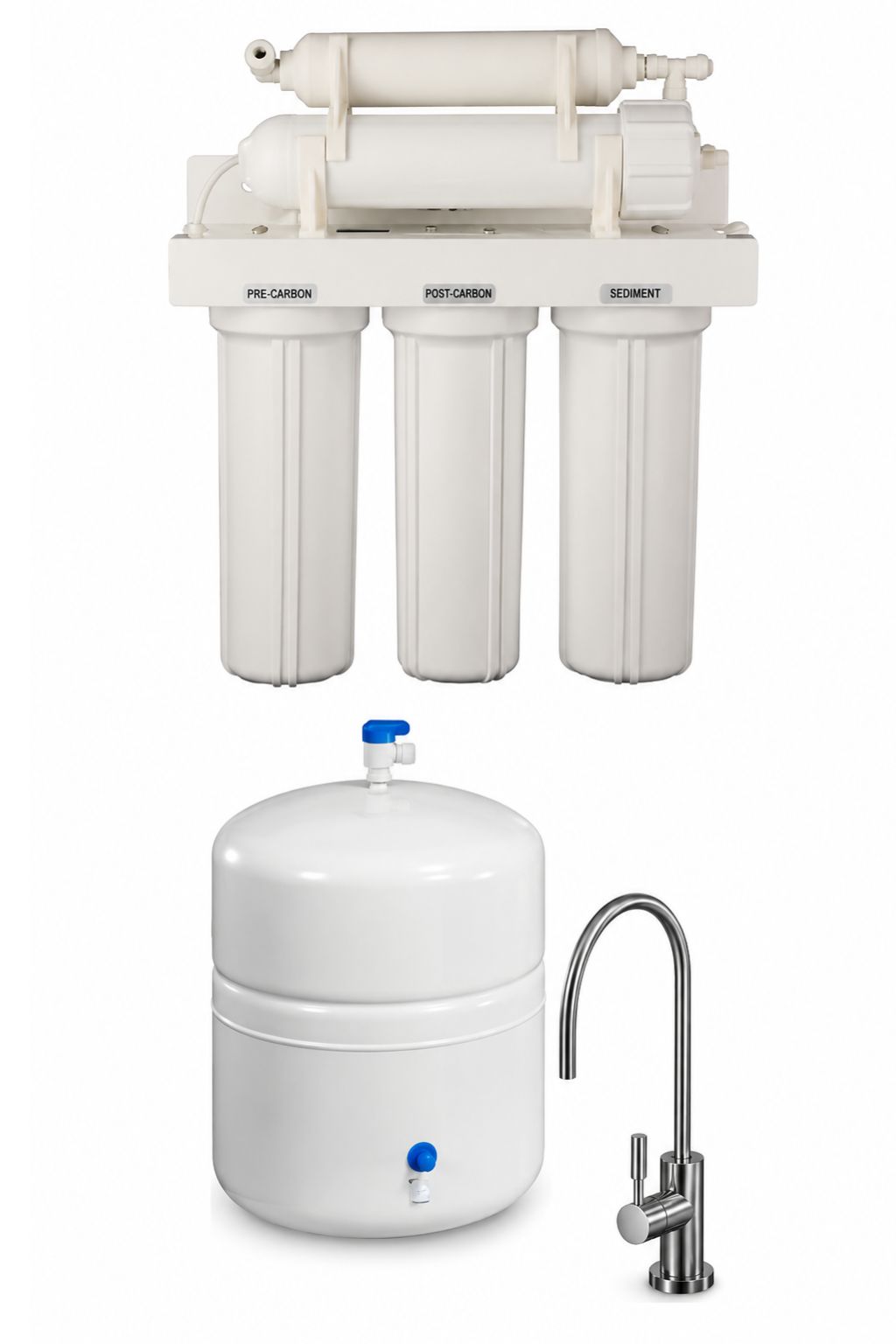
Under-Sink Filtration vs Reverse Osmosis Systems
Both under-sink filtration and reverse osmosis systems are designed to improve drinking water quality at the kitchen tap, but they are intended for different types of water conditions and treatment goals.
| Feature | Under-Sink Filtration | Reverse Osmosis (RO) |
|---|---|---|
| Improves taste and odour | Yes | Yes |
| Reduces chlorine | Yes | Yes |
| Removes sediment | Yes | Yes |
| Reduces dissolved contaminants | Limited reduction | High reduction |
| Suitable for nitrates | Usually not suitable | Commonly used |
| Water treatment level | Moderate | Higher |
| Maintenance complexity | Lower | Moderate |
| Typical application | Taste and general drinking water improvement | Deeper drinking water treatment |
Under-sink filtration systems are commonly used where the main concern is improving taste, odour or general drinking water quality. Reverse osmosis systems are typically chosen when water testing identifies dissolved contaminants that require a higher level of treatment.
The most suitable option depends on the water source, water quality results and the specific concerns within the home.
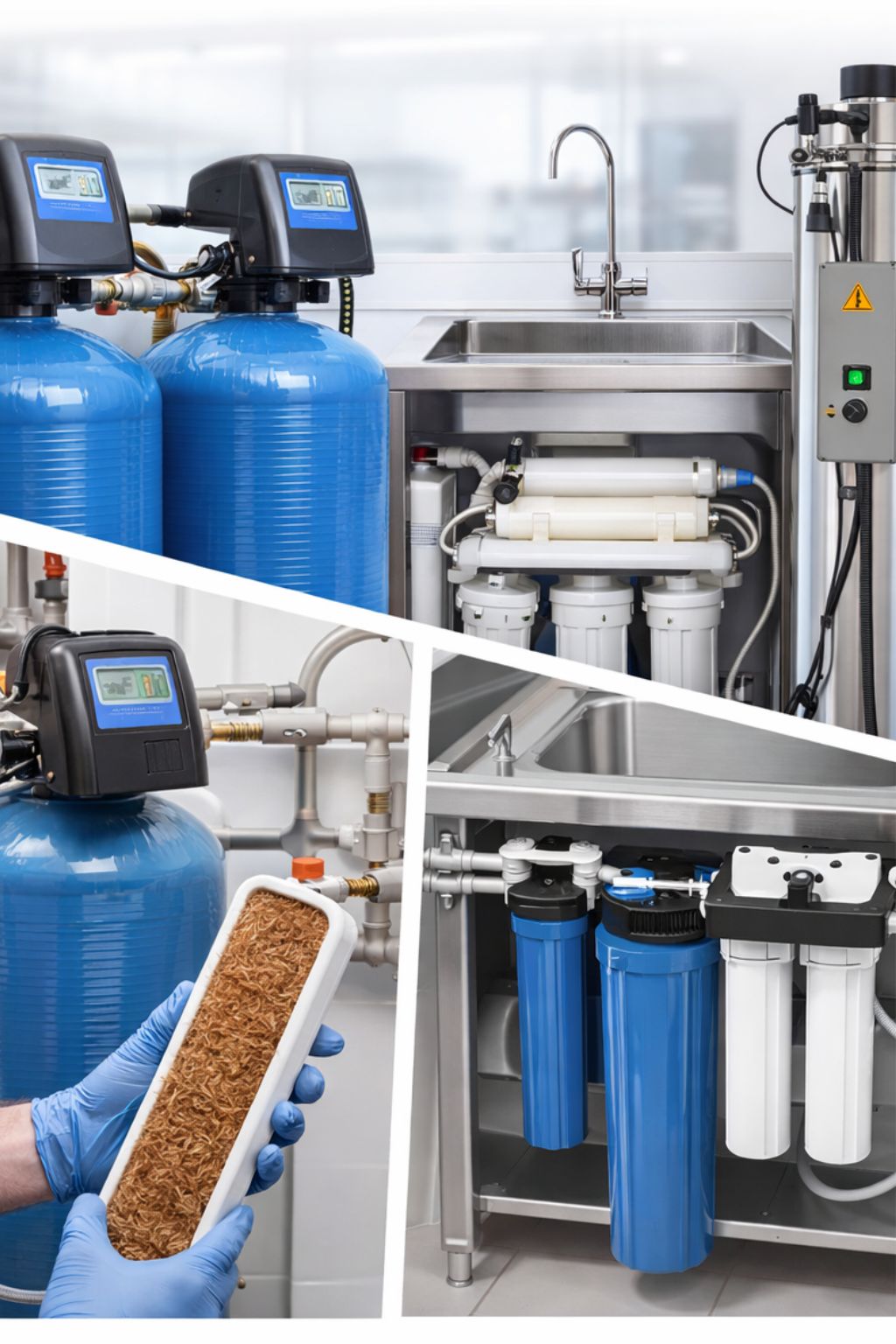
Complete Water Treatment Solutions for Your Home
We provide tailored water treatment solutions designed around your specific water quality.
As a result, you get a system that solves real problems — not a one-size-fits-all setup.
Every property is different.
For example, private wells in rural areas often require a combination of filtration, softening, and UV disinfection.
That is why we start with professional water testing.
Then, we design a system based on actual results, ensuring each component works together effectively.
Hard water is one of the most common water quality issues in both homes and businesses, leading to limescale buildup in pipes, heating systems, and appliances. Water softeners are designed to remove calcium and magnesium, helping to protect equipment and improve overall system performance.
✔️ Reduce limescale in pipes, boilers, and appliances
✔️ Improve efficiency of heating and water systems
✔️ Extend the lifespan of equipment
✔️ Suitable for residential and commercial properties
Filtration systems are used to remove sediment, particles, and other impurities that affect water clarity and quality. These systems are often installed at the main water entry point to provide whole-property protection.
✔️ Remove sediment and suspended particles
✔️ Protect pipework and water-using equipment
✔️ Improve water clarity and consistency
✔️ Suitable for a wide range of water conditions
Iron and manganese are commonly found in groundwater and private wells. These minerals can cause staining, unpleasant taste, and buildup in plumbing systems if not properly treated.
✔️ Prevent staining on fixtures and surfaces
✔️ Improve water appearance and taste
✔️ Protect plumbing and equipment
✔️ Ideal for private well water supplies
→ Learn About Iron & Manganese Removal
Nitrates can be present in certain water sources, particularly in rural areas and private wells. Dedicated treatment systems help reduce nitrate levels and improve overall water quality for safe daily use.
✔️ Reduce nitrate levels in water
✔️ Improve water safety and quality
✔️ Suitable for private wells and rural properties
✔️ Reliable long-term solution
→ Learn About Nitrate Removal
UV disinfection systems provide chemical-free protection against bacteria and microorganisms. They are widely used where microbiological safety is a concern, especially in private water supplies.
✔️ Effective protection against bacteria and viruses
✔️ Continuous disinfection without chemicals
✔️ Works alongside filtration systems
✔️ Ideal for well water and untreated sources
The right water treatment solution depends on the specific characteristics of your water. Since many issues are not visible, professional water testing is the most reliable way to identify the problem and select the correct technology or combination of systems.
A test-based approach ensures that your investment delivers effective, long-term results — without unnecessary costs or guesswork.
• Professional Water Testing (Home & Business)
• Private Well Water Analysis
• Bacteria, Nitrate, Iron & Hardness Testing
• Pre-Installation Water Assessment
• Post-Treatment Verification Testing
• Water Softeners (Hard Water Treatment)
• Whole-Property Filtration Systems
• Iron & Manganese Removal
• Nitrate Reduction Systems
• UV Water Disinfection
• Well Disinfection (Shock Chlorination)
• Sediment & Borehole Filtration
• Bacteria Protection Systems
• Combined Treatment for Multiple Issues
• Custom Water Treatment System Design
• Professional Installation
• System Configuration for Optimal Performance
• Integration of Multiple Technologies
• Post-Installation Performance Checks
• Scheduled Servicing & System Checks
• Filter Replacement Programmes
• UV Lamp Replacement
• System Performance Monitoring
• Water Quality Re-Testing
• Long-Term Support
Serving Clare, Limerick, Galway & Tipperary
- County Clare (Shannon, Ennis, Killaloe, Kilrush, Scarriff, Tulla, Newmarket‑on‑Fergus, Sixmilebridge, Bunratty, Clarecastle, Quin , Cratloe and more)
- County Limerick (including Limerick city and surrounding areas)
- County Galway (Gort & especially the southern and eastern areas)
- County Tipperary (Nenagh, Borrisokane, and nearby)
If you’re not sure whether we serve your area, just send us a message — we’ll do our best to assist.

FAQ Drinking Water Systems
Not always. Some homes only require basic under-sink filtration to improve taste and odour, while others may benefit from reverse osmosis if water testing identifies dissolved contaminants such as nitrates or elevated TDS levels.
Under-sink filtration systems are generally used for improving drinking water taste and reducing common issues such as chlorine or sediment. Reverse osmosis systems provide a higher level of filtration and are designed to reduce a wider range of dissolved contaminants.
Standard drinking water filters usually do not remove nitrates effectively. Reverse osmosis systems are one of the most commonly used residential treatment methods for nitrate reduction in drinking water.
Replacement intervals depend on the type of system, household water usage and the condition of the incoming water supply. Most systems require periodic filter replacement to maintain proper performance.
Mains water is generally treated and monitored, but some homeowners still experience issues such as chlorine taste, odour or concerns about overall drinking water quality. Drinking water systems are often installed to improve taste and provide additional filtration at the kitchen tap.
Yes. Under-sink filtration and reverse osmosis systems are commonly installed in homes using private well water, although proper water testing is strongly recommended before selecting a treatment system.
Yes. All filtration systems require ongoing maintenance and filter replacement to continue operating correctly and maintain drinking water quality over time.
Whether you’re just curious or urgently need answers — we’re here to help.
Tell us about your home, well, or business, and we’ll recommend the right test or filtration solution.
