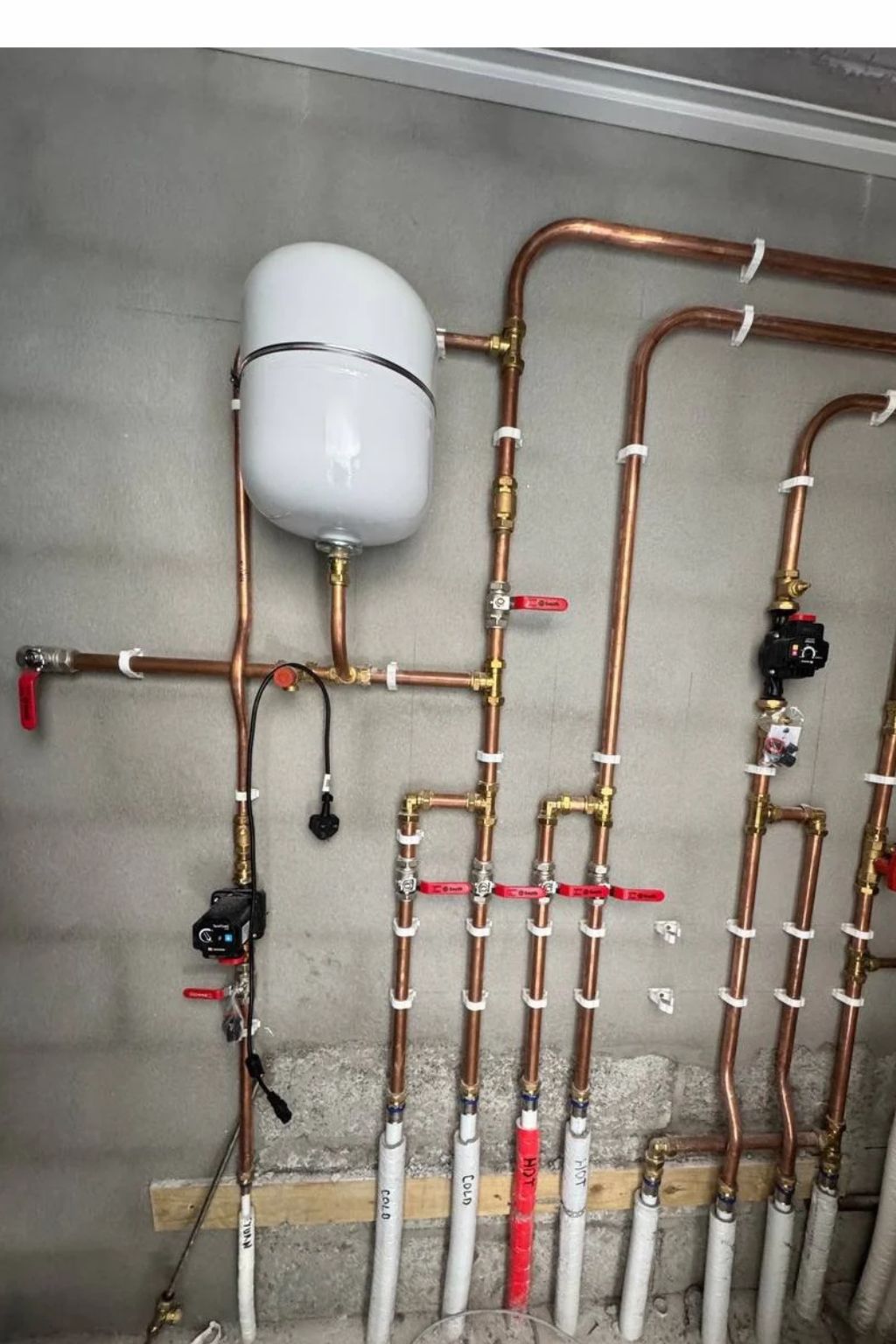
Professional Heating System Balancing
Improve comfort, heat distribution and energy efficiency with professional heating system balancing from DryZone. Our service is suitable for all wet central heating systems, including heat pumps, gas boilers, oil boilers, electric boilers and mixed heating systems. By measuring temperatures, flow rates and system performance, we accurately adjust the distribution of heating water throughout the system, helping every radiator and underfloor heating circuit receive the correct amount of heat. Whether your property has recently been upgraded or your heating has gradually become uneven, professional balancing can improve comfort, reduce unnecessary energy consumption and help your heating system operate as intended.
✔ Learn what professional heating system balancing involves
✔ Discover whether your heat pump, gas, oil or electric heating system would benefit from balancing
✔ Recognise the common signs of an unbalanced heating system
✔ Find out what heating system balancing can and cannot resolve
What Is Heating System Balancing?
Heating system balancing is the process of adjusting the flow of heating water so that each radiator and underfloor heating circuit receives the amount of water it was designed to receive. The goal is not to produce more heat, but to distribute the available heat evenly throughout the property.
When a system is correctly balanced, heated water reaches every part of the heating system in the proper proportions. Rooms warm up more consistently, temperature differences between rooms are reduced, and the heat source can operate under more stable conditions.
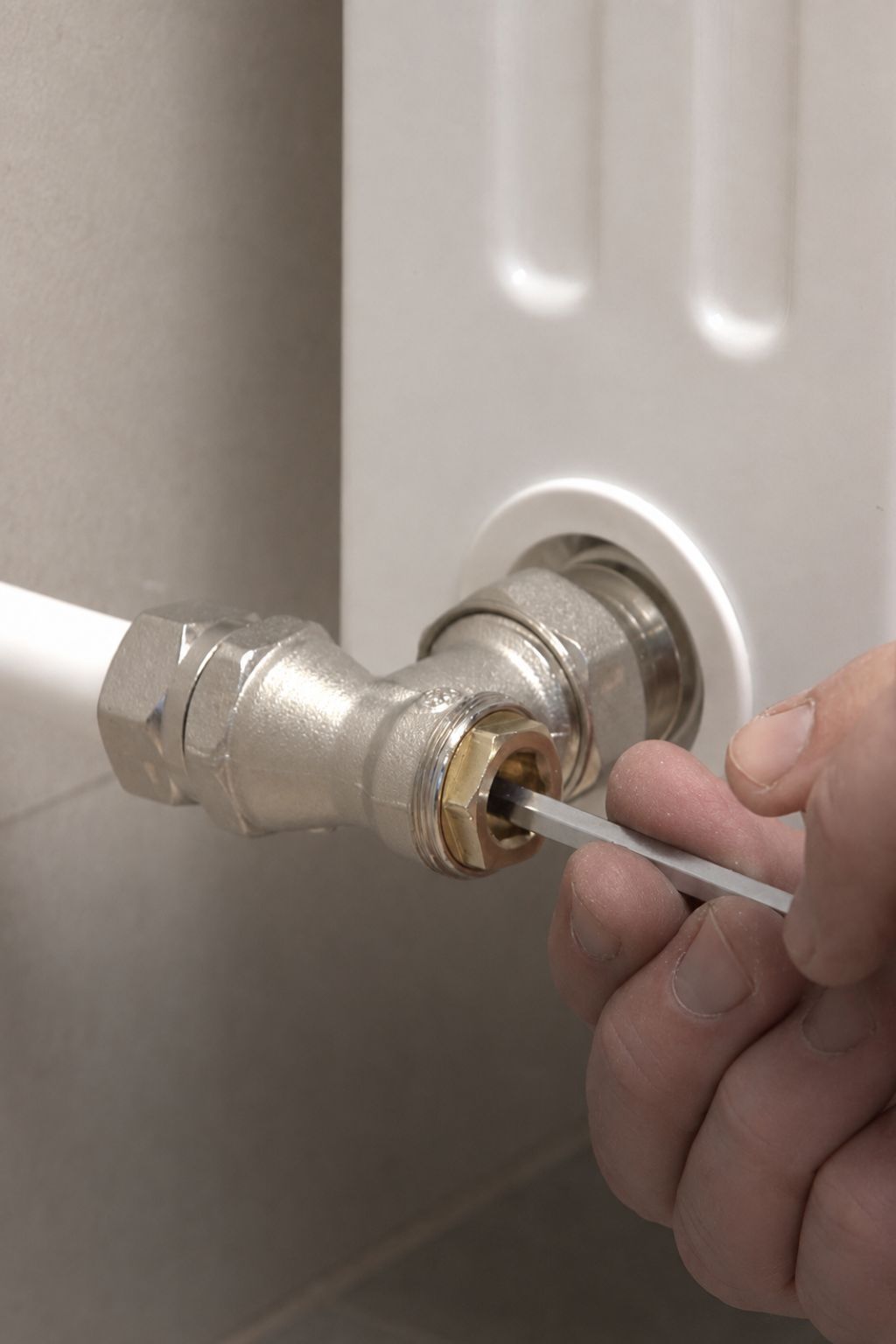
Professional balancing is based on measurements rather than assumptions. Temperatures, flow rates and system performance are assessed before precise adjustments are made to balancing valves, radiator lockshield valves or underfloor heating manifolds. The results are then verified to confirm that the system is distributing heat as intended.
Unlike simply increasing the thermostat setting or raising the flow temperature, heating system balancing addresses the hydraulic performance of the entire heating system. It improves how efficiently existing heat is delivered, rather than trying to compensate for poor distribution by generating more heat.
Signs Your Heating System May Be Unbalanced
Heating systems rarely become unbalanced overnight. In most cases, the change is gradual, making it easy to overlook until comfort, efficiency or energy consumption begins to suffer.
Common signs of an unbalanced heating system include:
- Some radiators heat up much faster than others.
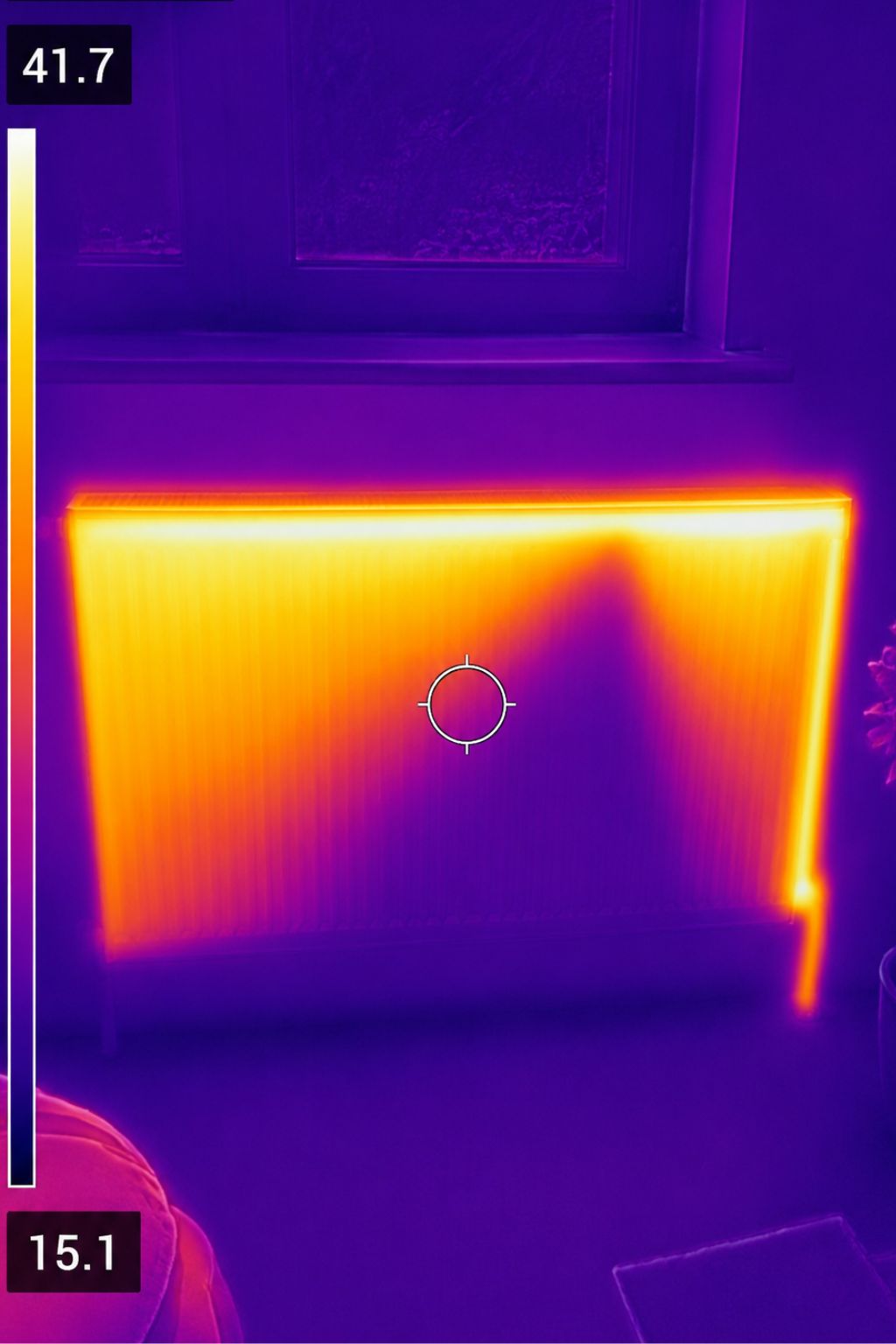
- Certain rooms remain noticeably colder despite the heating being on.
- Radiators closest to the boiler or heat pump become hot first, while those further away warm up slowly or never reach the same temperature.
- Underfloor heating zones heat unevenly or require significantly longer to reach the desired temperature.
- You need to increase the thermostat setting to make colder rooms comfortable.
- Some parts of the property overheat while others remain cool.
- The heating system runs for long periods before the whole property reaches a comfortable temperature.
- Following radiator replacements, system extensions or heating upgrades, room temperatures become less consistent than before.
These symptoms do not always mean that balancing is the only issue. Similar problems can also be caused by air trapped in the system, sludge accumulation, faulty valves, circulation pump issues or incorrectly sized heating equipment. Professional assessment helps determine whether heating system balancing is the appropriate solution or whether another fault is affecting system performance.
Why Heating Systems Become Unbalanced
As the system ages or changes are made, the flow of heating water can gradually shift, resulting in uneven heat distribution across the property.
Some of the most common causes include:
- Radiator replacements or additions that alter the original hydraulic balance.
- Heating system extensions, such as new radiators or underfloor heating zones.
- Replacement of the circulation pump with a model that has different operating characteristics.
- Installation of a new heat source, such as replacing a boiler with a heat pump.
- Changes to balancing or thermostatic radiator valves during maintenance or repairs.
- Wear within the system, causing flow characteristics to change gradually over time.
- Previous adjustments made without proper measurements, where valves were opened or closed by trial and error rather than being balanced correctly.
Even systems that operated well for many years can become progressively less balanced as components are replaced or the heating system evolves. Because these changes often happen gradually, many homeowners assume uneven heating is simply part of an ageing system, when in reality the flow distribution no longer matches the system’s current configuration.
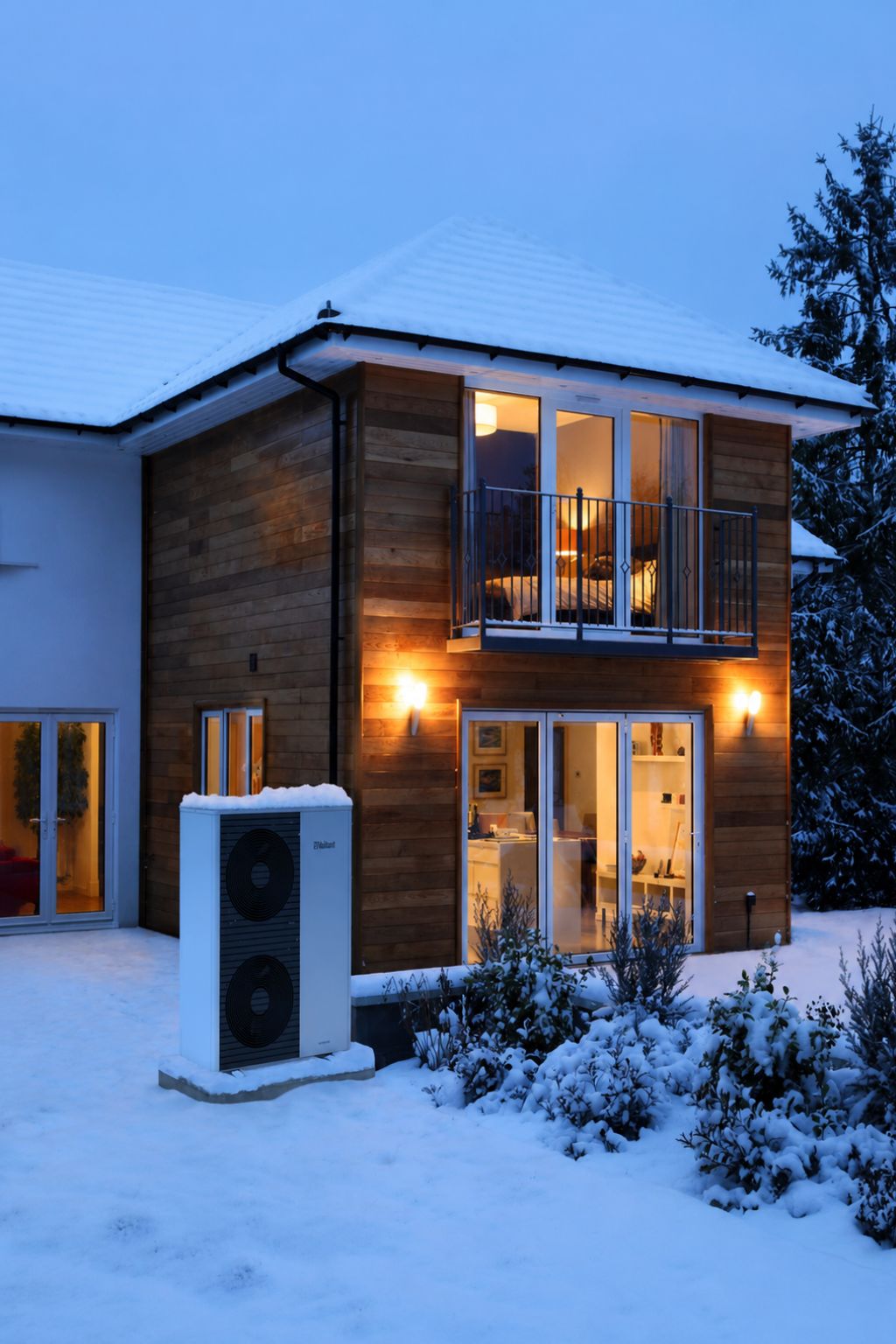
Benefits of Professional Heating System Balancing
A correctly balanced heating system distributes heat where it is needed instead of allowing some areas to receive more flow than others. This can improve both day-to-day comfort and the overall performance of the heating system.
Professional heating system balancing can help to:
- Achieve more even temperatures throughout the property.
- Reduce cold rooms and overheating in others.
- Improve heat distribution across radiators and underfloor heating circuits.
- Allow rooms to reach their target temperature more consistently.
- Reduce unnecessary heating cycles caused by uneven heat delivery.
- Improve the operating efficiency of the heating system.
- Support lower energy consumption where poor flow distribution has been reducing system performance.
- Improve overall comfort without simply increasing the thermostat setting.
- Help maintain stable operating conditions for the heating system.
- Verify that the system is performing as intended after adjustments have been completed.
While heating system balancing can significantly improve heat distribution, it is not a cure for every heating problem. If issues such as incorrect system sizing, faulty components, sludge build-up or inadequate insulation are present, these should be identified and addressed separately. Professional assessment helps determine which improvements can realistically be achieved through balancing alone.
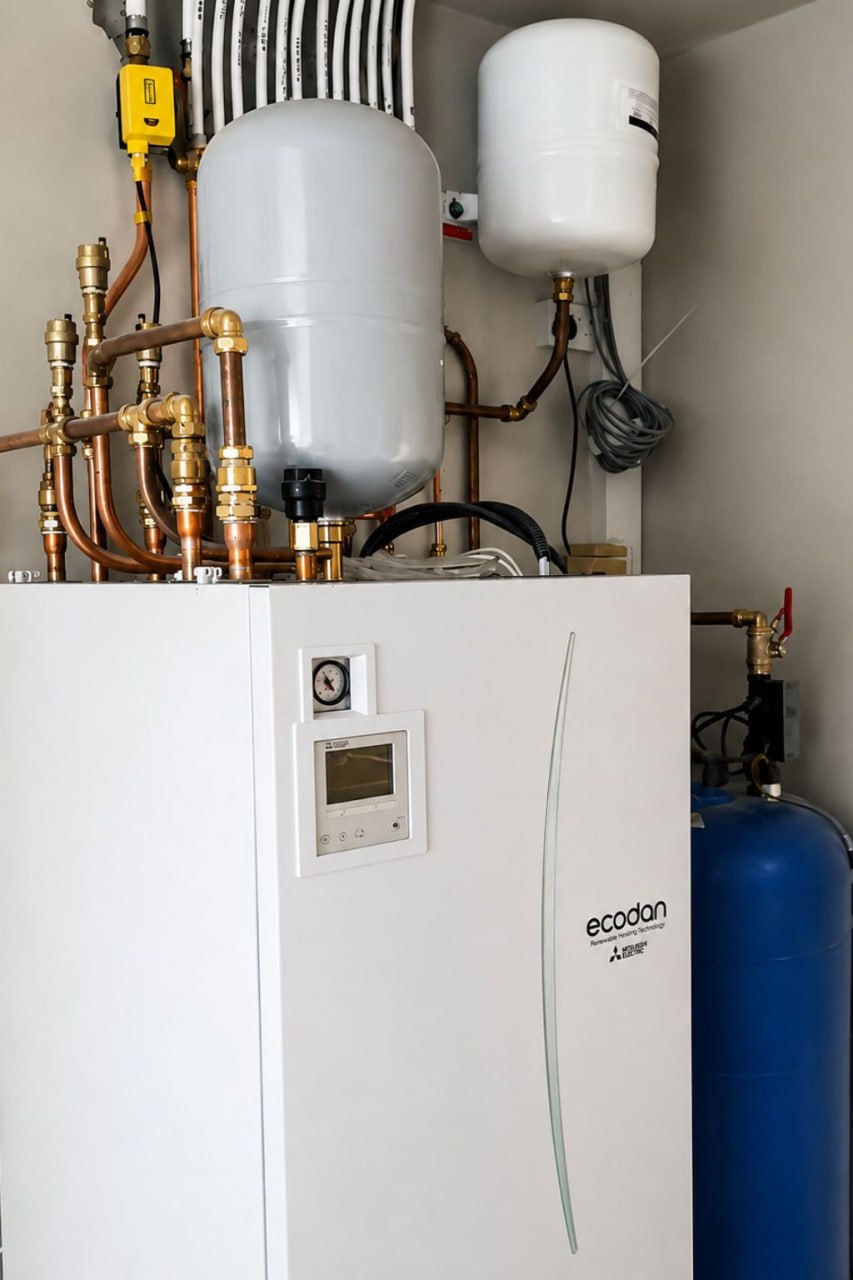
Why Heating System Balancing Is Especially Important for Heat Pumps
Unlike traditional boilers, heat pumps are designed to operate with lower water temperatures over longer heating cycles. Because they produce heat more gradually, efficient heat distribution throughout the system becomes even more important.
If the heating system is unbalanced, some radiators or underfloor heating circuits may receive more flow than they need, while others receive too little. This can reduce comfort, increase running times and make it more difficult for the heat pump to maintain stable operating conditions.
Correct balancing helps the heat pump deliver heat more evenly throughout the property, allowing every part of the system to contribute as intended. This supports steady room temperatures and helps the system operate more efficiently without relying on unnecessarily high flow temperatures.
Heating system balancing is particularly beneficial after replacing a boiler with a heat pump. Although the existing pipework and radiators may remain the same, the hydraulic characteristics of the system often need to be reassessed to suit the different way a heat pump operates.
For homeowners investing in heat pump technology, professional balancing is not simply an optional optimisation. It is an important step in helping the entire heating system perform as a single, properly matched system rather than a collection of individual components.
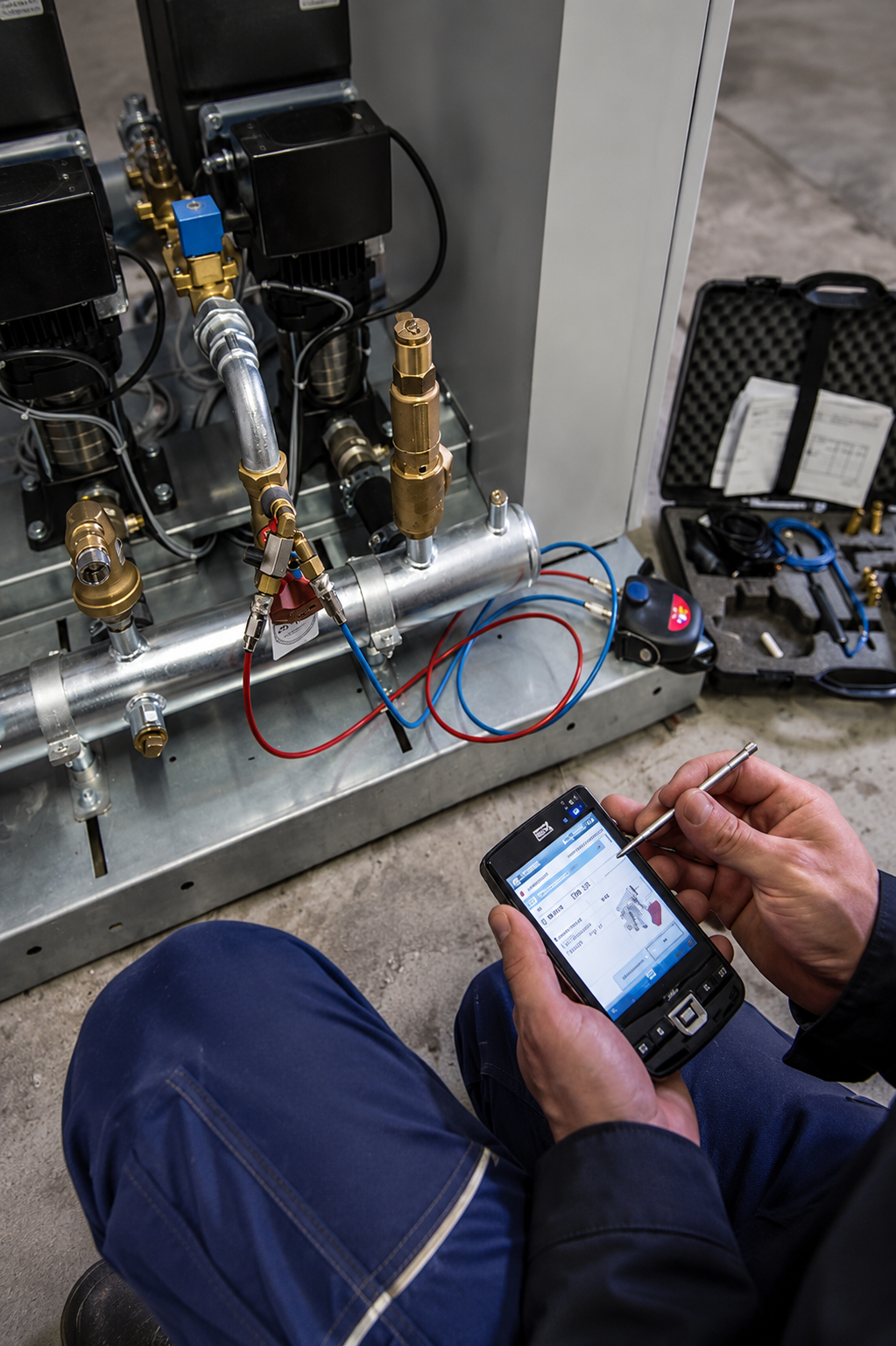
Our Professional Heating System Balancing Process
Professional heating system balancing is a structured process based on accurate measurements rather than estimation. Every adjustment is carried out only after the system has been carefully assessed using professional diagnostic equipment.
Step 1. Initial System Assessment
We inspect the entire heating system, including radiators, underfloor heating circuits, manifolds, circulation pumps and system controls to understand how the installation is operating before any adjustments are made.
Step 2. Professional System Measurements
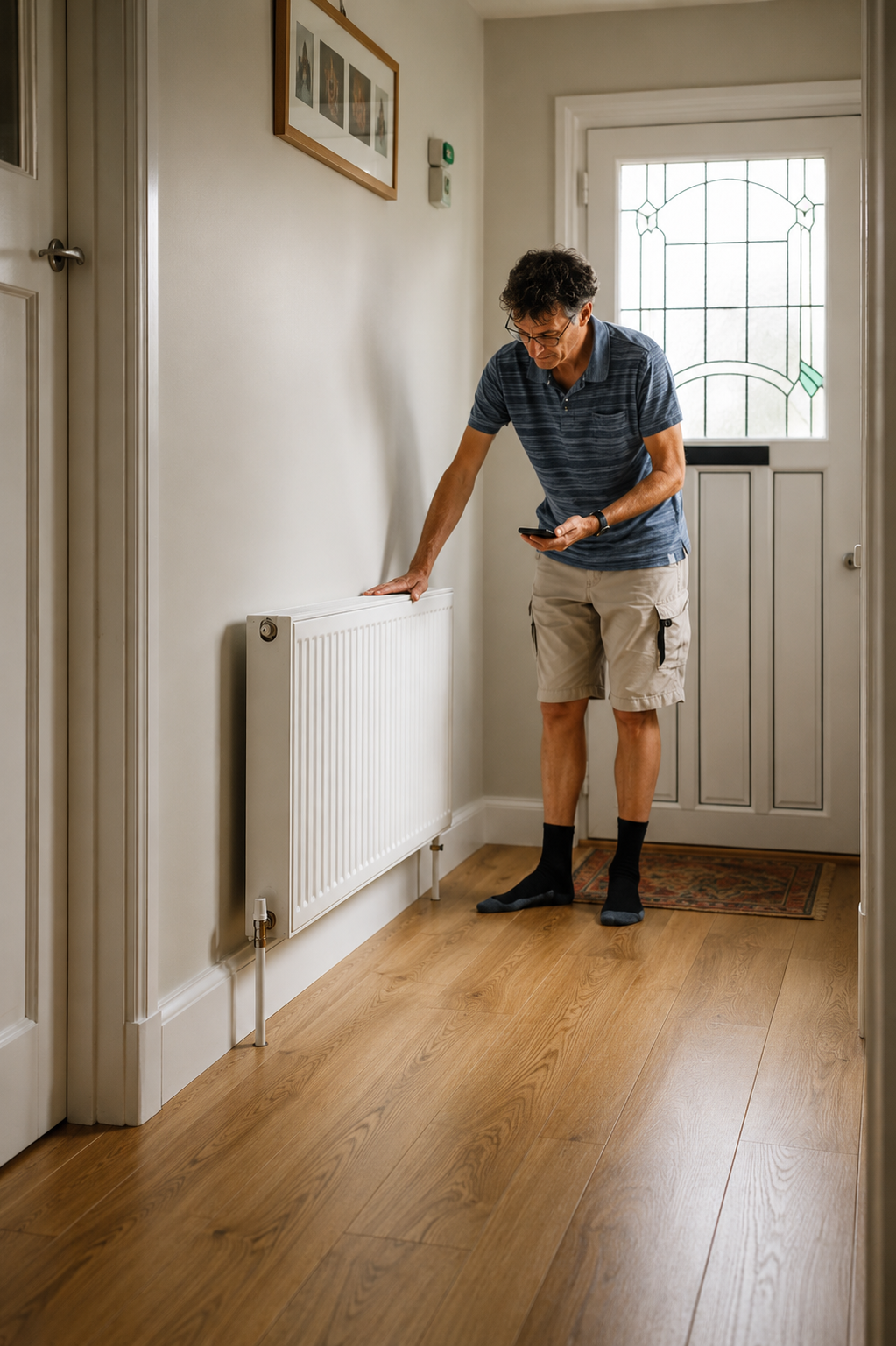
Specialist diagnostic equipment is used to measure the hydraulic performance of the system. These measurements allow us to identify hidden imbalances that cannot be detected simply by checking whether radiators feel warm.
| Equipment | Purpose |
|---|---|
| Thermal Imaging Camera | Detects uneven heat distribution and temperature variations. |
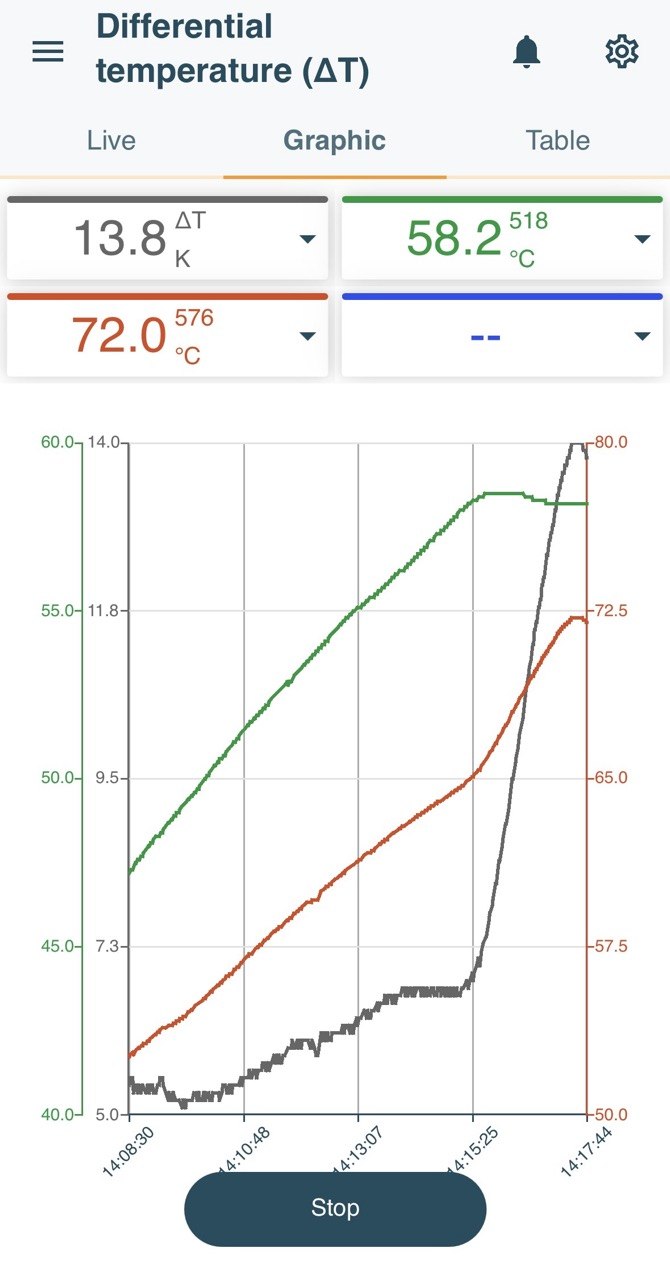
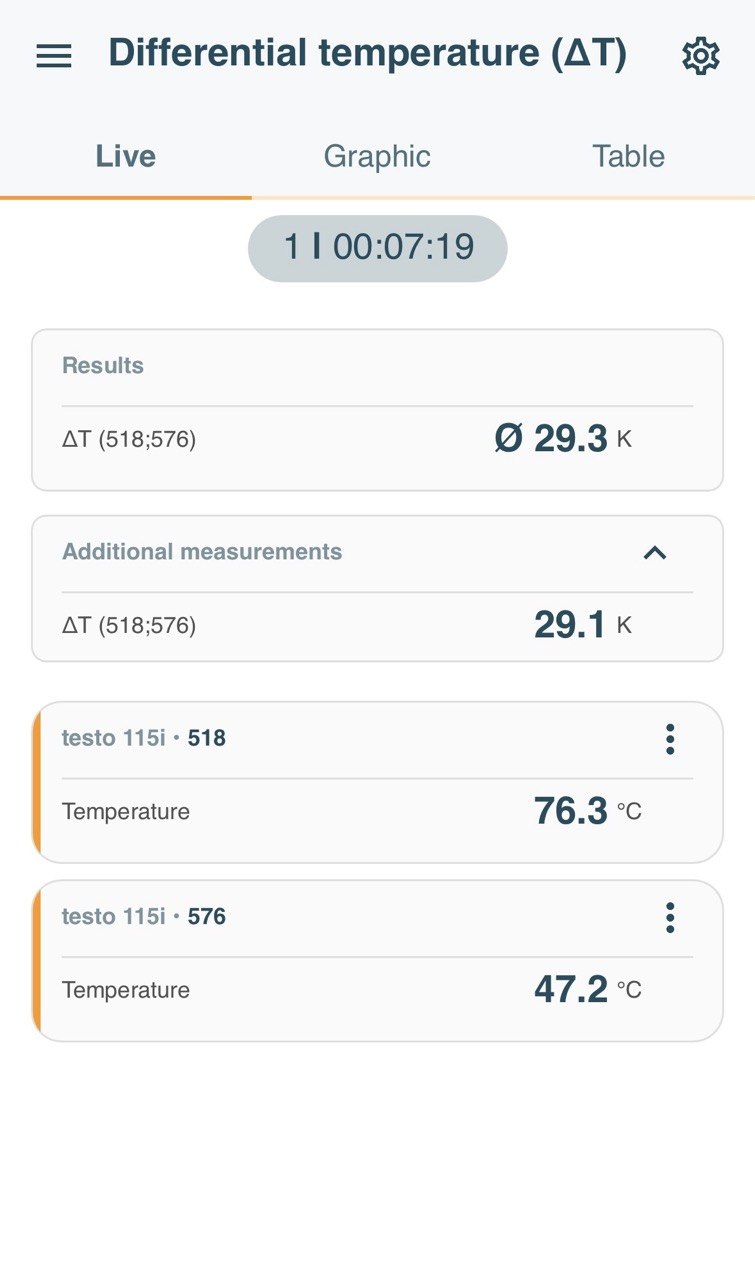
| Digital Temperature Instruments | Measure flow and return temperatures and calculate ΔT accurately. |
| Flow Measurement Equipment | Verifies flow through individual heating circuits where applicable. |
| Pressure Gauges | Confirm correct operating pressure during balancing. |
| Professional Diagnostic Instruments | Provide accurate system data required for hydraulic balancing. |
Every measurement contributes to a complete understanding of how the heating system performs as a whole. Once the assessment is complete, the collected data forms the basis for precise balancing adjustments rather than estimation, helping achieve more consistent comfort, improved efficiency and stable system operation.
Step 3. Precision Balancing Adjustments
Using the collected measurements, radiator valves, balancing valves, underfloor heating manifolds and circulation pump settings are adjusted to achieve the correct hydraulic balance throughout the system.
Step 4. Performance Verification
After balancing has been completed, the system is measured again to verify improved temperatures, flow rates and more even heat distribution across the property.
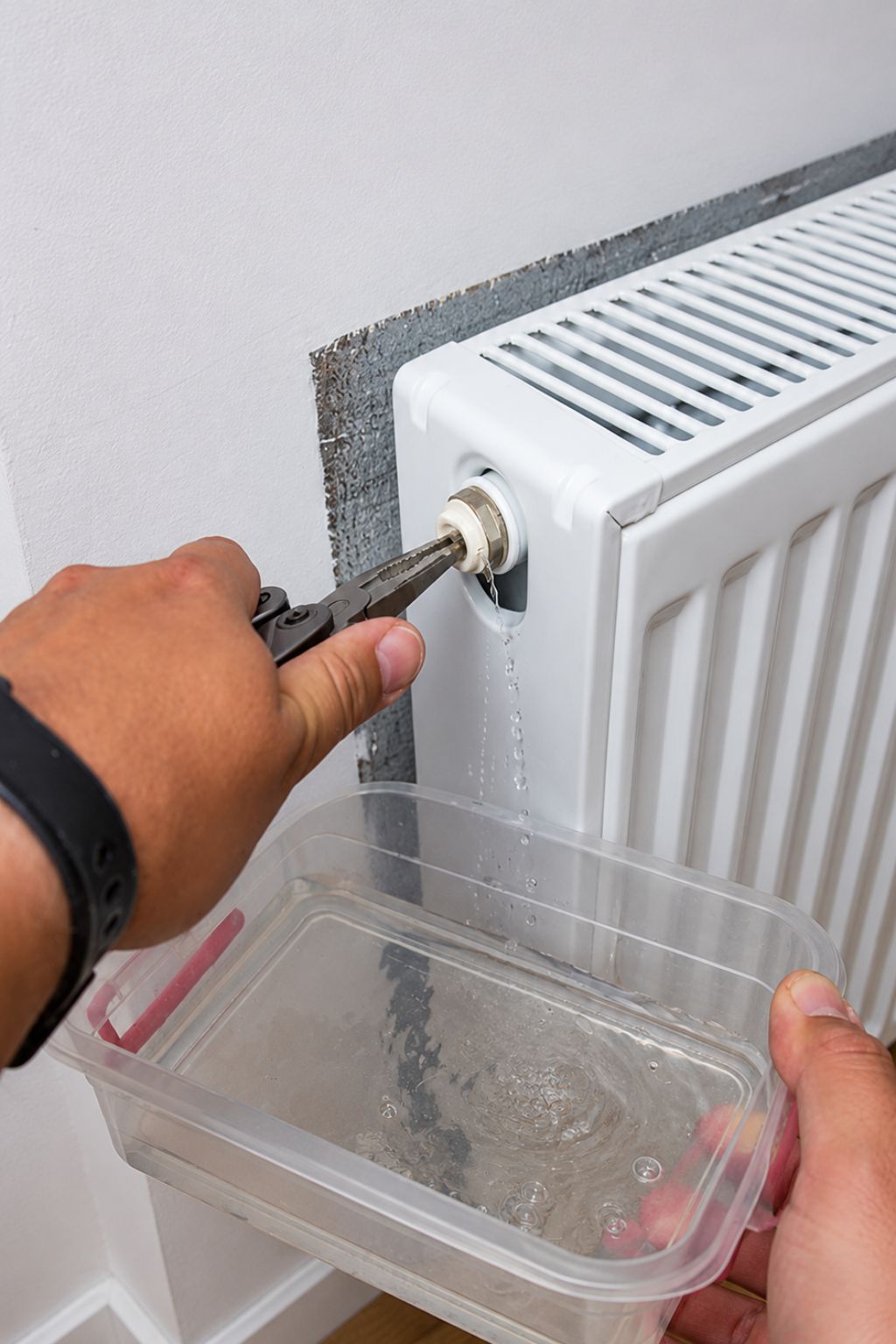
Common Problems We Identify During Heating System Balancing
Many heating systems appear to be working normally while hidden hydraulic problems reduce comfort and efficiency. Professional balancing frequently reveals issues that cannot be identified without accurate measurements.
| Common Problem | Possible Effect |
|---|---|
| Incorrect circulation pump settings | Poor circulation and uneven heating. |
| Unbalanced radiator circuits | Some radiators overheat while others remain cold. |
| Uneven underfloor heating flow | Cold zones and inconsistent floor temperatures. |
| Incorrect flow rates | Heat is not distributed efficiently between circuits. |
| Incorrect temperature difference (ΔT) | Reduced heating efficiency and unstable heat pump operation. |
| Air trapped within heating circuits | Poor circulation, cold spots and unnecessary noise. |
| Incorrectly adjusted balancing valves | Uneven hydraulic performance throughout the system. |
Every heating system is different. Our goal is to identify the specific factors affecting your installation and correct them using measured data rather than trial and error.
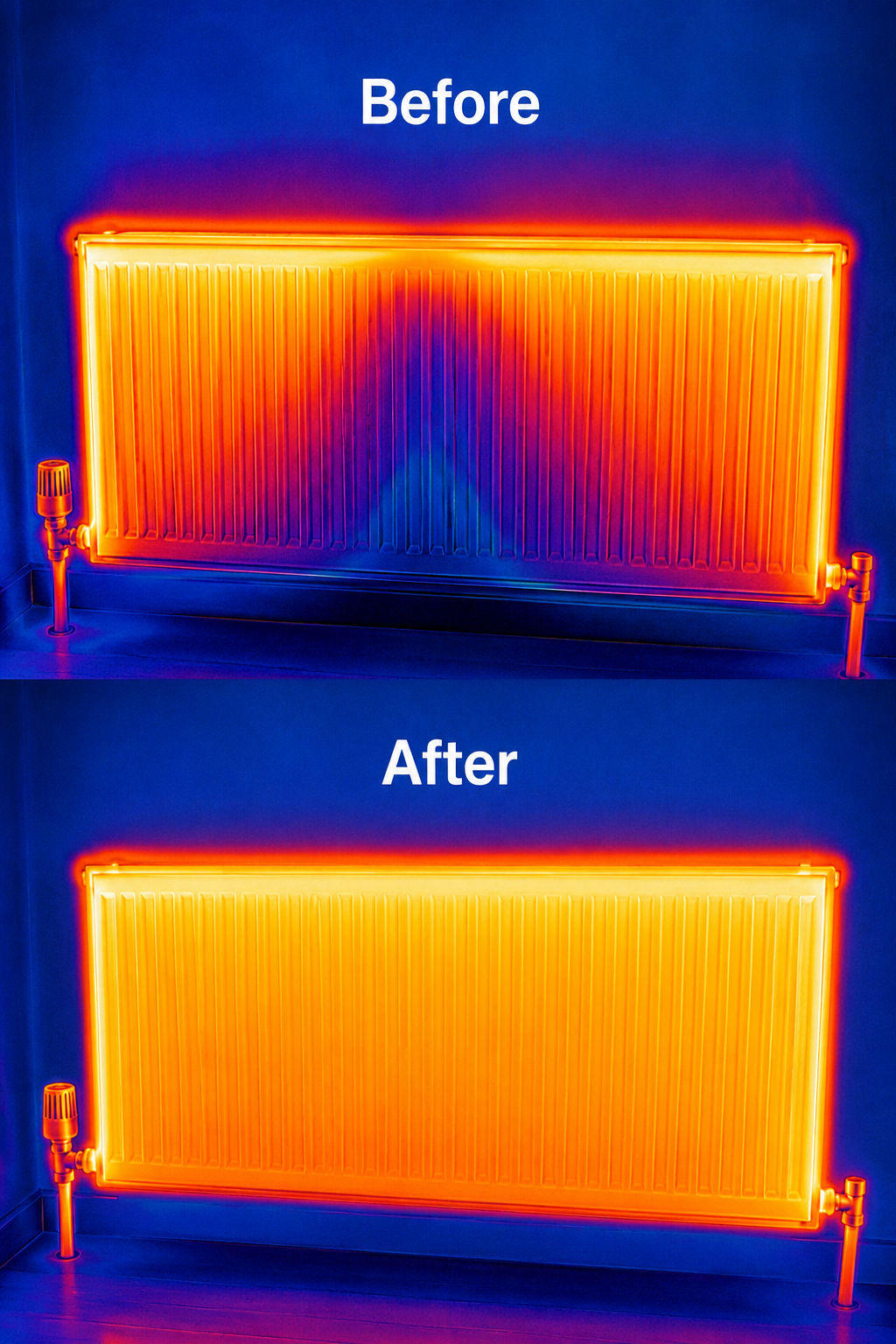
Before & After Professional Heating System Balancing
Professional balancing improves hydraulic performance throughout the heating system. While every property is different, customers typically notice more consistent heating, improved comfort and more stable system operation.
| Before Balancing | After Professional Balancing |
|---|---|
| Some rooms remain colder than others. | More even temperatures throughout the property. |
| Radiators heat unevenly. | More consistent radiator performance. |
| Underfloor heating has cold areas. | Improved heat distribution across all circuits. |
| The circulation pump may work harder than necessary. | Optimised water flow through the system. |
| Heat pumps may cycle more frequently. | More stable operating conditions for the heat pump. |
| The heating system may consume more energy than necessary. | Improved overall operating efficiency. |
Results depend on the condition, design and configuration of the heating system. Hydraulic balancing improves system performance but does not repair faulty components.
What You Receive After the Service
Following the balancing service, we explain the work carried out and discuss any observations made during the assessment. Where appropriate, we can provide recorded measurements together with recommendations if additional issues affecting system performance have been identified.
Depending on the system and the work performed, this may include information such as:
- Measured flow and return temperatures.
- Temperature differences across the heating system.
- Adjustments made to balancing valves or heating circuits.
- Areas where heat distribution was improved.
- Any issues discovered that require further attention.
- Recommendations for future maintenance or optimisation.
Our aim is to leave you with a clear understanding of your heating system rather than simply completing the adjustments and leaving without explanation.
When Is Heating System Balancing Recommended And When Won’t It Solve the Problem?
Heating system balancing is most effective when uneven heat distribution is limiting the performance of an otherwise healthy heating system. It is often recommended after changes have been made to the heating installation or when rooms no longer heat consistently.
Professional heating system balancing is commonly recommended:
- After installing a new heat pump or boiler.
- After replacing or adding radiators.
- Following extensions or alterations to the heating system.
- When underfloor heating zones warm unevenly.
- If some radiators consistently heat much faster than others.
- When certain rooms remain colder despite the heating system operating normally.
- After replacing circulation pumps, valves or other hydraulic components.
- Whenever changes to the heating system may have affected water flow.
However, heating system balancing is not intended to solve every heating problem. If the underlying issue is unrelated to water distribution, additional investigation or repairs may be required.
Heating system balancing cannot correct problems such as:
- Faulty boilers or heat pumps.
- Failing circulation pumps.
- Air trapped within the heating system.
- Sludge, blockages or severe internal contamination.
- Incorrectly sized radiators or underfloor heating circuits.
- Poor insulation or excessive heat loss from the building.
- Mechanical faults with valves, controls or other heating components.
- Fundamental design or installation errors within the heating system.
A professional assessment helps determine whether heating system balancing is the appropriate solution or whether another fault should be addressed first. Where additional issues are identified, we explain our findings and recommend the most suitable course of action rather than carrying out unnecessary adjustments.
Why Choose DryZone for Heating System Balancing?
Homeowners across Ireland choose DryZone because we focus on identifying the real cause of heating performance issues before recommending any solution.
| What You Can Expect from DryZone | Why It Matters |
|---|---|
| Measurement-based system assessment | Balancing decisions are based on actual temperatures and system performance, not guesswork. |
| Experience with all major heating systems | We work with heat pumps, gas boilers, oil boilers, electric boilers, radiators and underfloor heating. |
| Whole-system approach | We assess how the complete heating system performs rather than focusing on individual radiators alone. |
| Honest technical advice | If balancing is unlikely to solve the problem, we will explain why before recommending any work. |
| Clear explanation of findings | We explain what was checked, what was adjusted and what the results mean for your heating system. |
| Focus on long-term performance | Our goal is to improve comfort, efficiency and reliable system operation, not simply complete another service visit. |
| Professional local service | Reliable appointments, clear communication and ongoing support from an Irish company. |
Heating System Balancing Service Areas
If you’re not sure whether we serve your area, just send us a message—we’ll do our best to help you.

FAQs
A professional process that adjusts the flow of heating water so every radiator or underfloor heating circuit receives the correct amount of water. The goal is to improve heat distribution, comfort and overall system performance.
Common signs include radiators heating at different speeds, cold rooms, uneven underfloor heating, longer heating times or noticeable temperature differences throughout the property.
No. Bleeding radiators removes trapped air, while heating system balancing adjusts water flow throughout the entire heating system. These are different procedures that solve different problems.
It can. By improving heat distribution and helping the heating system operate more efficiently, balancing may reduce unnecessary energy use. The exact improvement depends on the condition and design of the heating system.
Yes. Because heat pumps operate at lower water temperatures than conventional boilers, correct water flow becomes even more important for achieving efficient and consistent heating.
Heating system balancing does not normally require regular repetition. It is usually recommended after installing a new boiler or heat pump, replacing radiators, extending the heating system or making other significant changes that affect water flow.
No. Balancing improves water distribution but cannot repair faulty components, remove sludge, correct poor insulation or resolve heating system design faults. A professional assessment helps determine whether balancing is the appropriate solution.
The time required depends on the size and complexity of the heating system. Larger properties or systems with multiple heating zones typically require more time than smaller installations.