
Safe Water Solutions for Schools Ireland
Schools and childcare facilities rely on safe, properly maintained water systems every day. Whether supplied by a private well or commercial source, water quality should never be assumed — especially where children.
DryZone helps educational facilities identify water quality risks through testing, system design, treatment installation and ongoing servicing. Our evidence-based approach supports safer water management with verification testing and compliance-focused documentation.

Safe Water Is Essential in Educational Facilities
Schools and childcare facilities depend on safe and reliable water every day for drinking, food preparation, handwashing, cleaning and staff use. Where water systems are supplied by private wells or older infrastructure, water quality issues can develop without obvious warning signs.
Unlike visible plumbing problems, many water contaminants cannot be seen, smelled or tasted. Microbiological contamination, inadequate disinfection, nitrates or poorly maintained treatment systems may only become apparent after testing is carried out.
Educational environments also face unique challenges. Periods of low occupancy, seasonal closures and fluctuating water demand can affect pipework, filtration systems and water stagnation risks. Facilities that rely on UV disinfection or filtration systems require regular servicing and verification to ensure they continue operating correctly.
For schools, crèches and childcare providers, water safety is not only a maintenance issue — it is part of maintaining a safe environment for children, staff and visitors. A structured approach to testing, treatment and ongoing servicing helps reduce uncertainty and supports safer day-to-day operation of the facility.

Typical Water Problems in Schools & Childcare Settings
Water quality problems in educational facilities can affect hygiene, equipment reliability, maintenance costs and overall confidence in the water supply. Some contaminants present direct health concerns, while others create operational and compliance-related issues that worsen over time if left unaddressed.
| Water Issue | Why It Matters in Schools & Childcare | Possible Impact |
|---|---|---|
| Microbiological contamination | Bacteria such as E. coli or coliforms can develop in untreated or poorly protected water supplies, particularly where private wells or ageing infrastructure are involved. | Potential health risk, failed water tests, temporary water restrictions, concerns from parents or inspectors. |
| Hard water & limescale | Hard water causes scale buildup inside boilers, kitchen appliances, taps and hot water systems used daily in busy facilities. | Increased energy use, equipment wear, higher maintenance costs and reduced system lifespan. |
| Iron & manganese | Common in private well supplies across Ireland and often responsible for staining or discoloured water. | Orange or black staining, unpleasant taste, fixture damage and poor perception of water cleanliness. |
| Nitrates in private wells | Nitrates cannot be seen, smelled or tasted and require proper testing to identify. | Water may become unsuitable for certain uses and may require specialist treatment following testing. |
| Poor taste, odour or cloudy water | Even where water is technically usable, visible or noticeable issues can reduce trust in the supply. | Complaints from staff or parents, reduced confidence and concerns around hygiene standards. |
| Stagnation during closures | Schools and childcare facilities often experience reduced water usage during weekends and holidays. | Reduced water freshness, increased maintenance needs and greater risk of system performance issues. |
| Unmaintained UV or filtration systems | Treatment systems that are not serviced regularly may stop performing as intended. | Reduced protection, failed verification testing and uncertainty about water quality performance. |
Not sure what might be affecting the quality of your school’s water supply?
Professional water testing can help identify the cause before choosing treatment.
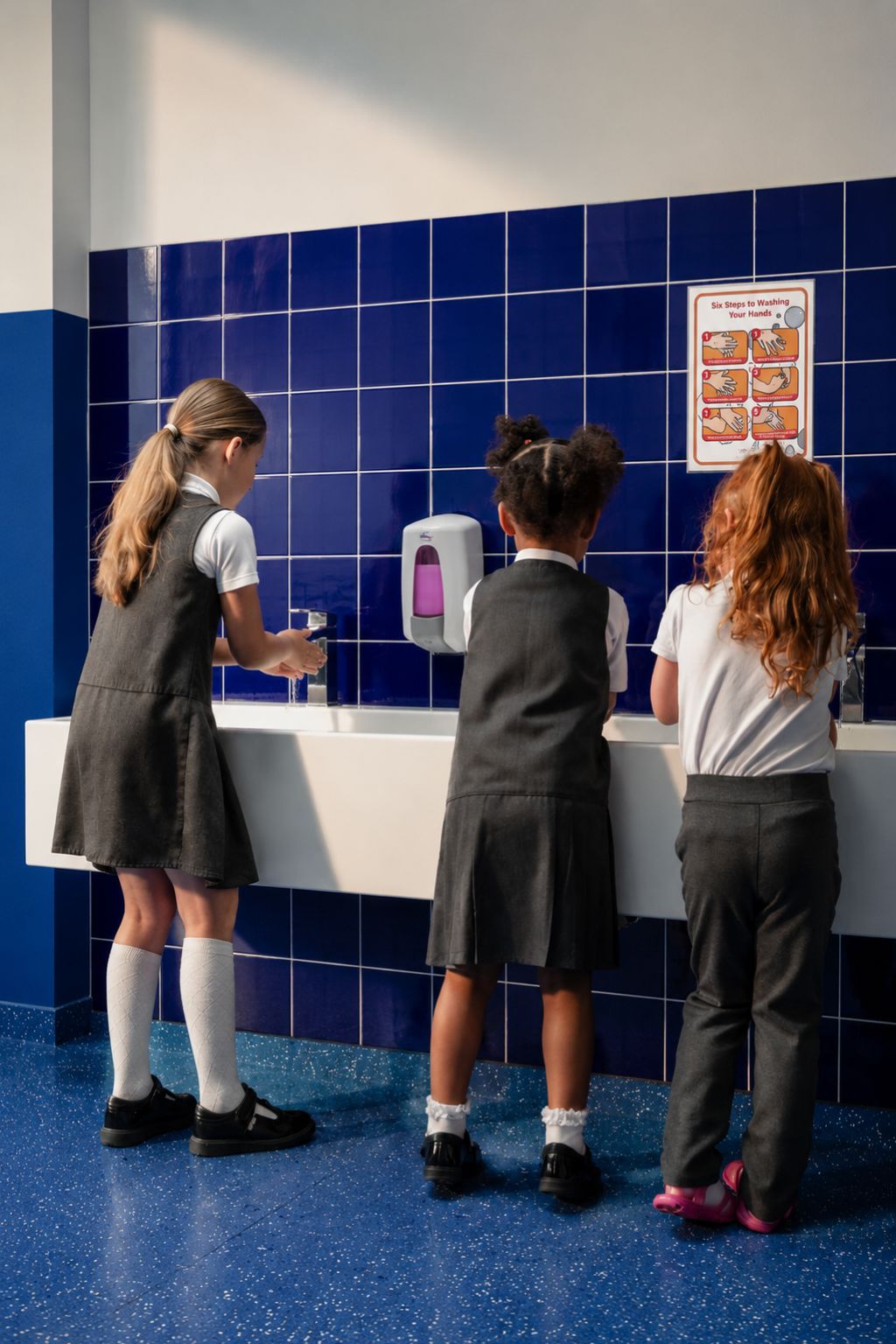
Managing Water Safety in Educational Facilities
Schools and childcare facilities that rely on private water supplies have an important responsibility to maintain safe and properly managed water systems. In Ireland, private water supplies used in educational environments may be subject to monitoring expectations and water safety responsibilities under private water supply guidance and HSE-related recommendations.
This involves more than simply installing a treatment system. Water quality should be assessed through appropriate testing, while treatment equipment such as UV disinfection systems and filtration units should be serviced and monitored regularly to help ensure continued performance.
Many facilities continue using ageing treatment systems without ongoing verification or documented maintenance history. Over time, changes in water quality, seasonal fluctuations or inadequate servicing can reduce treatment effectiveness without obvious warning signs.
A structured approach to water safety management may include:
- water testing,
- identification of specific contaminants,
- treatment system assessment,
- scheduled servicing,
- verification testing,
- and maintenance documentation.
For schools, crèches and childcare facilities, maintaining a documented and proactive approach to water quality helps support safer day-to-day operation and greater confidence in the water supply.
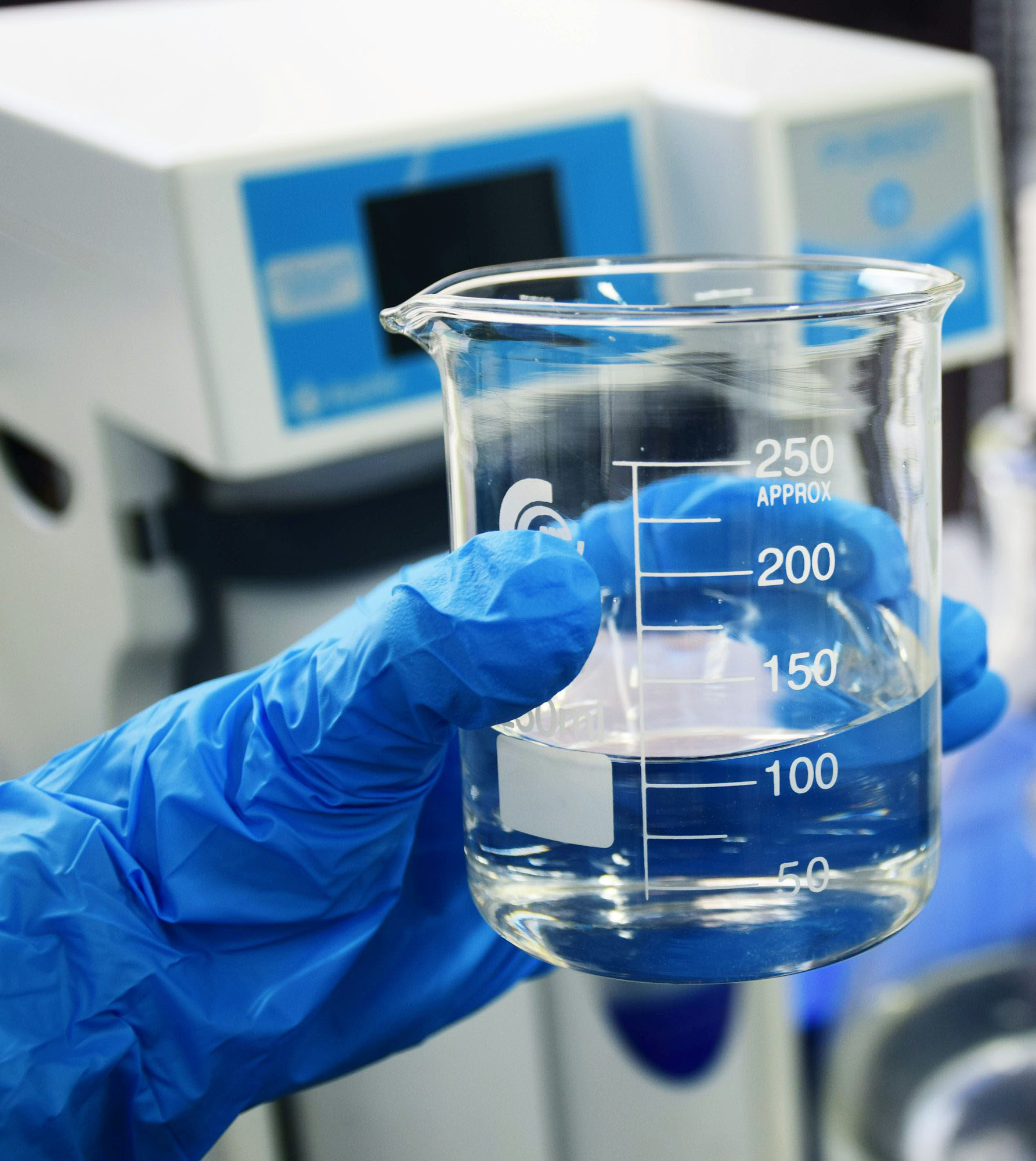
Why Proper Water Testing Comes First?
Every educational facility has different water conditions, infrastructure and operational requirements. Installing treatment equipment without understanding the actual water quality can lead to ineffective systems, unnecessary costs or unresolved problems.
DryZone uses a test-first approach to help schools and childcare facilities make informed decisions about water treatment. Recommendations are based on water analysis, site conditions and the specific issues identified during assessment — not assumptions.
1. Water Testing & Assessment
We begin by identifying the condition of the water supply through appropriate testing and system assessment. This may include microbiological analysis, private well testing or evaluation of existing treatment equipment.
2. Identifying Water Quality Risks
Test results help determine whether issues such as bacteria, hardness, iron, manganese, nitrates or treatment performance problems may be affecting the facility.
3. Treatment System Recommendation
Treatment recommendations are based on verified results, building usage, water demand and the existing plumbing or infrastructure within the facility.
4. Installation & System Upgrades
Where treatment is required, DryZone installs and upgrades systems including UV disinfection, filtration, softening and specialist treatment solutions for private and commercial water supplies.
5. Verification Testing
After installation or servicing, verification testing can help confirm that the treatment system is operating as intended and addressing the identified issue.
6. Ongoing Servicing & Monitoring
Educational facilities benefit from scheduled servicing, filter replacement, UV maintenance and documented monitoring to help maintain long-term system reliability.
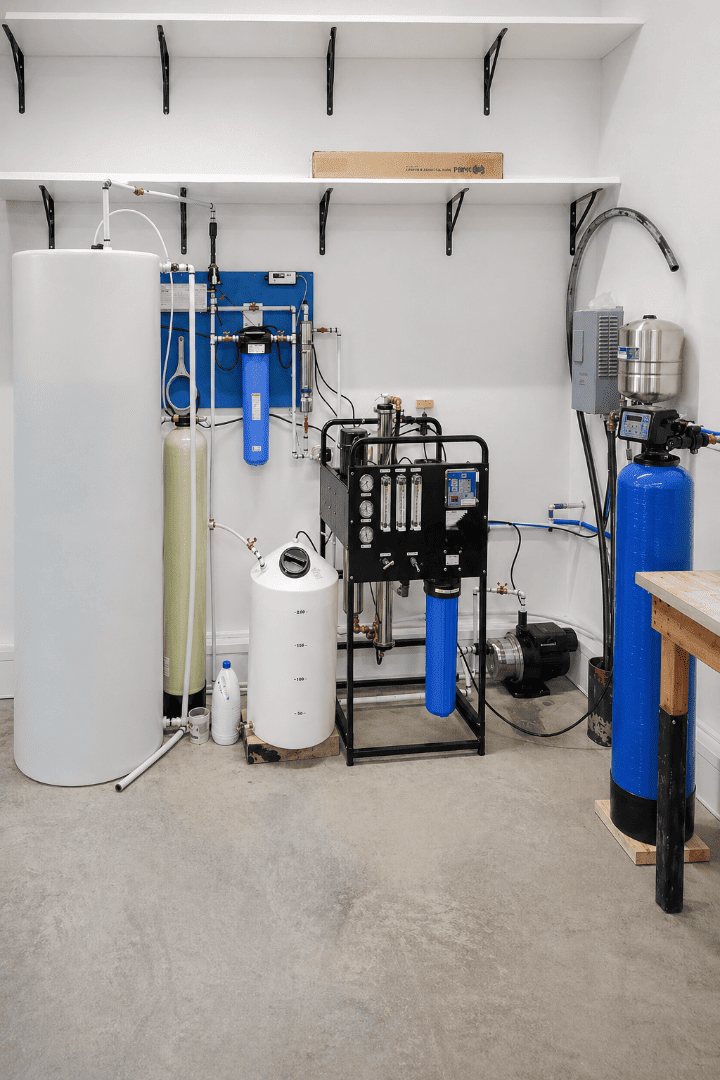
Water Treatment Solutions for Schools & Childcare Facilities
Water quality problems in educational facilities are often caused by more than one issue at the same time. For example, a building may require microbiological protection, sediment filtration and hardness reduction simultaneously depending on the water source and existing infrastructure.
Because of this, many schools and childcare facilities benefit from a combined treatment approach rather than a single standalone system. The correct solution should always be based on testing results, water usage and the specific operational requirements of the building.
DryZone provides evidence-based water treatment solutions for schools, crèches and childcare facilities across Clare, Limerick, Galway and Tipperary.
Water Treatment Solutions
| Treatment Method | Commonly Used For | Important Considerations |
|---|---|---|
| UV Water Disinfection | Helping manage microbiological risks such as bacteria in private water supplies. Commonly used in schools and childcare facilities supplied by wells. | UV systems require proper sizing, clean water conditions and ongoing servicing to maintain effective performance. |
| Whole-Building Filtration | Sediment reduction, cloudy water, taste and odour concerns affecting kitchens, washrooms and general building use. | Filtration alone may not address bacteria, nitrates or dissolved contaminants. |
| Iron & Manganese Removal Systems | Orange staining, metallic taste, black discoloration and sediment caused by naturally occurring minerals in well water. | Correct media selection depends on water chemistry and verified test results. |
| Nitrate Treatment Systems | Reducing elevated nitrate levels identified through water testing in private supplies. | Nitrates cannot be detected visually and require specialist testing and treatment selection. |
| Water Softeners | Reducing scale buildup affecting boilers, kitchen equipment and hot water systems. | Softening helps with hardness but does not disinfect water or remove bacteria. |
| Drinking Water Systems | Improving drinking water quality and taste in kitchens, staff rooms or designated drinking areas. | Often installed alongside broader treatment systems rather than replacing them entirely. |
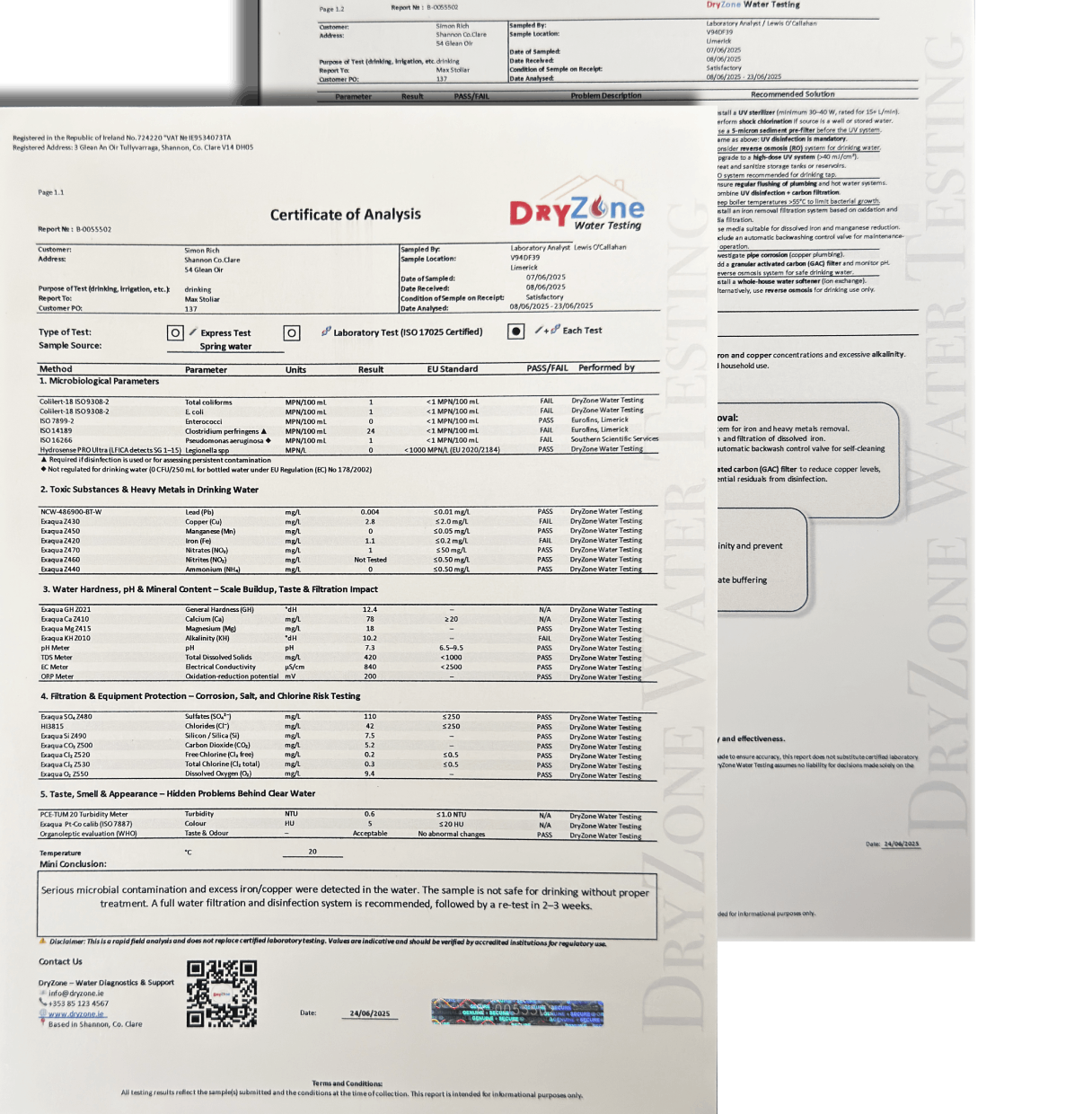
Documentation & Compliance Support
Maintaining water safety in schools and childcare facilities involves more than installing treatment equipment. Educational facilities often benefit from a documented and structured approach to water testing, servicing and ongoing system management — particularly where private water supplies or existing treatment systems are involved.
DryZone provides compliance-focused support designed to help facilities keep clearer records of testing, servicing and treatment system performance over time.
Key Documents in a Compliance-Based Approach
| Document | What It Includes | Why It Matters |
|---|---|---|
| Water Test Report | Laboratory or on-site analysis of water quality before treatment | Identifies risks and provides the foundation for system design |
| Post-Installation Verification Report | Follow-up testing results after system installation | Confirms that the treatment system is working effectively |
| System Specification | Details of the installed equipment and configuration | Provides clarity on how the system is designed and operates |
| Service & Maintenance Log | Record of servicing, filter changes, and system checks | Demonstrates ongoing care and supports long-term reliability |
| Monitoring & Testing Records | Periodic water test results over time | Tracks changes in water quality and system performance |
| Maintenance Agreement (if applicable) | Planned servicing schedule and responsibilities | Ensures systems are regularly maintained without gaps |
Learn more about the maintenance and support services we offer.
Professional Water Treatment Systems for Commercial Properties
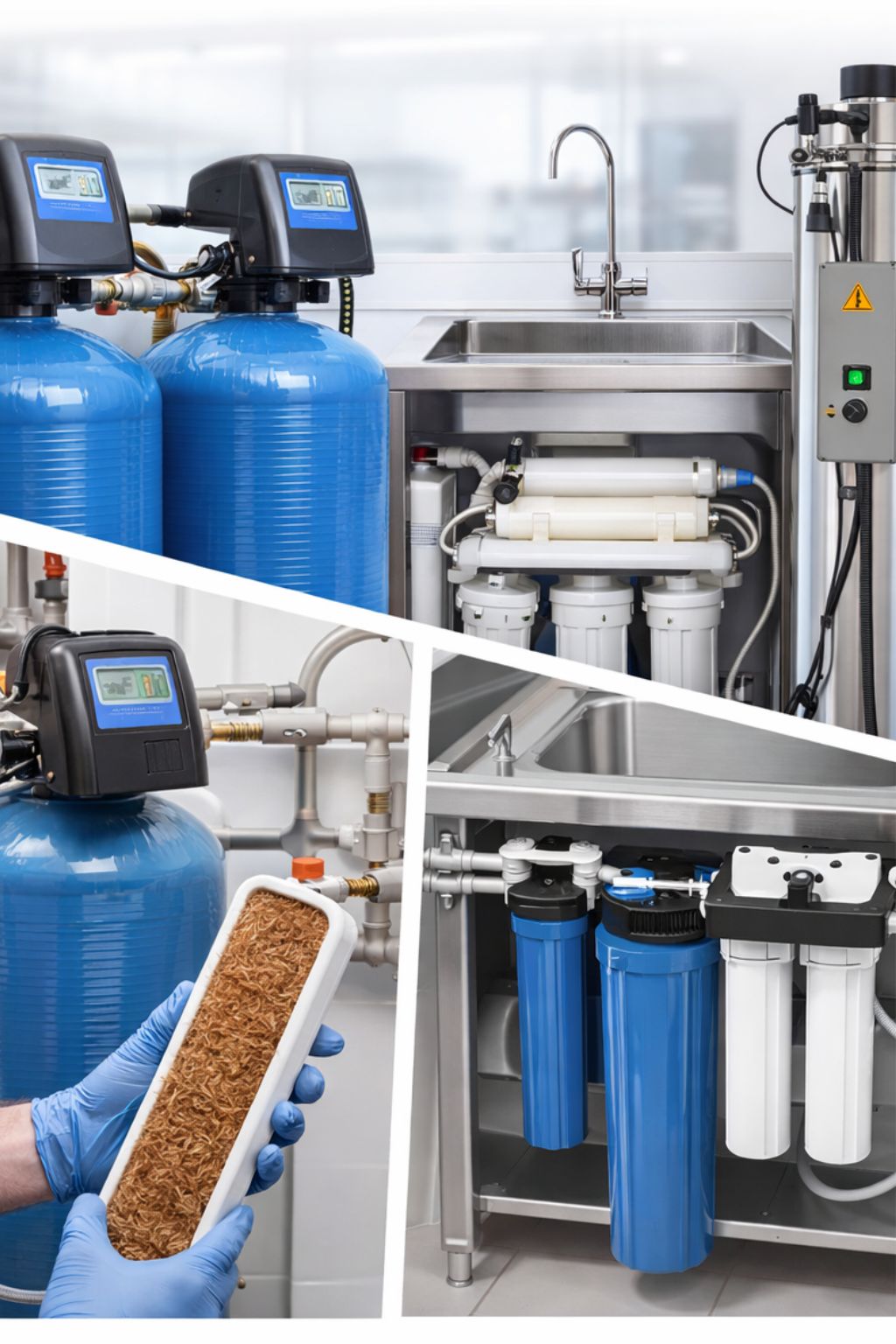
We install reliable water treatment systems designed to support the operational needs of commercial properties. From farms and hospitality businesses to rental buildings and Schools & Childcare, each system is selected based on water testing results to ensure it addresses the real conditions of your water supply.
Hard water is one of the most common water quality issues in both homes and businesses, leading to limescale buildup in pipes, heating systems, and appliances. Water softeners are designed to remove calcium and magnesium, helping to protect equipment and improve overall system performance.
✔️ Reduce limescale in pipes, boilers, and appliances
✔️ Improve efficiency of heating and water systems
✔️ Extend the lifespan of equipment
✔️ Suitable for residential and commercial properties
Filtration systems are used to remove sediment, particles, and other impurities that affect water clarity and quality. These systems are often installed at the main water entry point to provide whole-property protection.
✔️ Remove sediment and suspended particles
✔️ Protect pipework and water-using equipment
✔️ Improve water clarity and consistency
✔️ Suitable for a wide range of water conditions
Iron and manganese are commonly found in groundwater and private wells. These minerals can cause staining, unpleasant taste, and buildup in plumbing systems if not properly treated.
✔️ Prevent staining on fixtures and surfaces
✔️ Improve water appearance and taste
✔️ Protect plumbing and equipment
✔️ Ideal for private well water supplies
→ Learn About Iron & Manganese Removal
Nitrates can be present in certain water sources, particularly in rural areas and private wells. Dedicated treatment systems help reduce nitrate levels and improve overall water quality for safe daily use.
✔️ Reduce nitrate levels in water
✔️ Improve water safety and quality
✔️ Suitable for private wells and rural properties
✔️ Reliable long-term solution
→ Learn About Nitrate Removal
UV disinfection systems provide chemical-free protection against bacteria and microorganisms. They are widely used where microbiological safety is a concern, especially in private water supplies.
✔️ Effective protection against bacteria and viruses
✔️ Continuous disinfection without chemicals
✔️ Works alongside filtration systems
✔️ Ideal for well water and untreated sources
The right water treatment solution depends on the specific characteristics of your water. Since many issues are not visible, professional water testing is the most reliable way to identify the problem and select the correct technology or combination of systems.
A test-based approach ensures that your investment delivers effective, long-term results — without unnecessary costs or guesswork.
• Professional Water Testing (Home & Business)
• Private Well Water Analysis
• Bacteria, Nitrate, Iron & Hardness Testing
• Pre-Installation Water Assessment
• Post-Treatment Verification Testing
• Water Softeners (Hard Water Treatment)
• Whole-Property Filtration Systems
• Iron & Manganese Removal
• Nitrate Reduction Systems
• UV Water Disinfection
• Well Disinfection (Shock Chlorination)
• Sediment & Borehole Filtration
• Bacteria Protection Systems
• Combined Treatment for Multiple Issues
• Custom Water Treatment System Design
• Professional Installation
• System Configuration for Optimal Performance
• Integration of Multiple Technologies
• Post-Installation Performance Checks
• Scheduled Servicing & System Checks
• Filter Replacement Programmes
• UV Lamp Replacement
• System Performance Monitoring
• Water Quality Re-Testing
• Long-Term Support
Serving Clare, Limerick, Galway & Tipperary
- County Clare (Shannon, Ennis, Killaloe, Kilrush, Scarriff, Tulla, Newmarket‑on‑Fergus, Sixmilebridge, Bunratty, Clarecastle, Quin , Cratloe and more)
- County Limerick (including Limerick city and surrounding areas)
- County Galway (Gort & especially the southern and eastern areas)
- County Tipperary (Nenagh, Borrisokane, and nearby)
If you’re not sure whether we serve your area, just send us a message — we’ll do our best to assist.

FAQ Schools & Childcare Water Treatment
Educational facilities using private water supplies or existing treatment systems benefit from regular water testing to help identify microbiological contamination, nitrates, treatment performance issues and changes in water quality over time.
Yes. Many contaminants, including bacteria and nitrates, cannot be identified through appearance, taste or smell alone. Proper water testing is required to determine the actual condition of the supply.
UV systems typically require regular inspection, servicing and lamp replacement to help maintain effective performance. The required servicing interval can vary depending on the system type, water conditions and overall usage.
In many cases, yes. The correct treatment approach depends on the contaminants identified through testing, the building’s water demand and the condition of the existing infrastructure.
If microbiological contamination is identified, the first step is usually to assess the source of the issue and verify the condition of any existing treatment systems. Appropriate treatment or corrective measures can then be recommended based on the findings.
Yes. UV systems, filtration units, softeners and other treatment equipment require periodic servicing to help maintain reliable long-term performance.
Not always. Many facilities experience multiple water quality issues simultaneously, which may require a combined treatment approach involving several stages of filtration or disinfection.
Yes. Verification testing can help confirm that the treatment system is operating as intended following installation or servicing work.
Whether you’re just curious or urgently need answers — we’re here to help.
Tell us about your home, well, or business, and we’ll recommend the right test or filtration solution.
