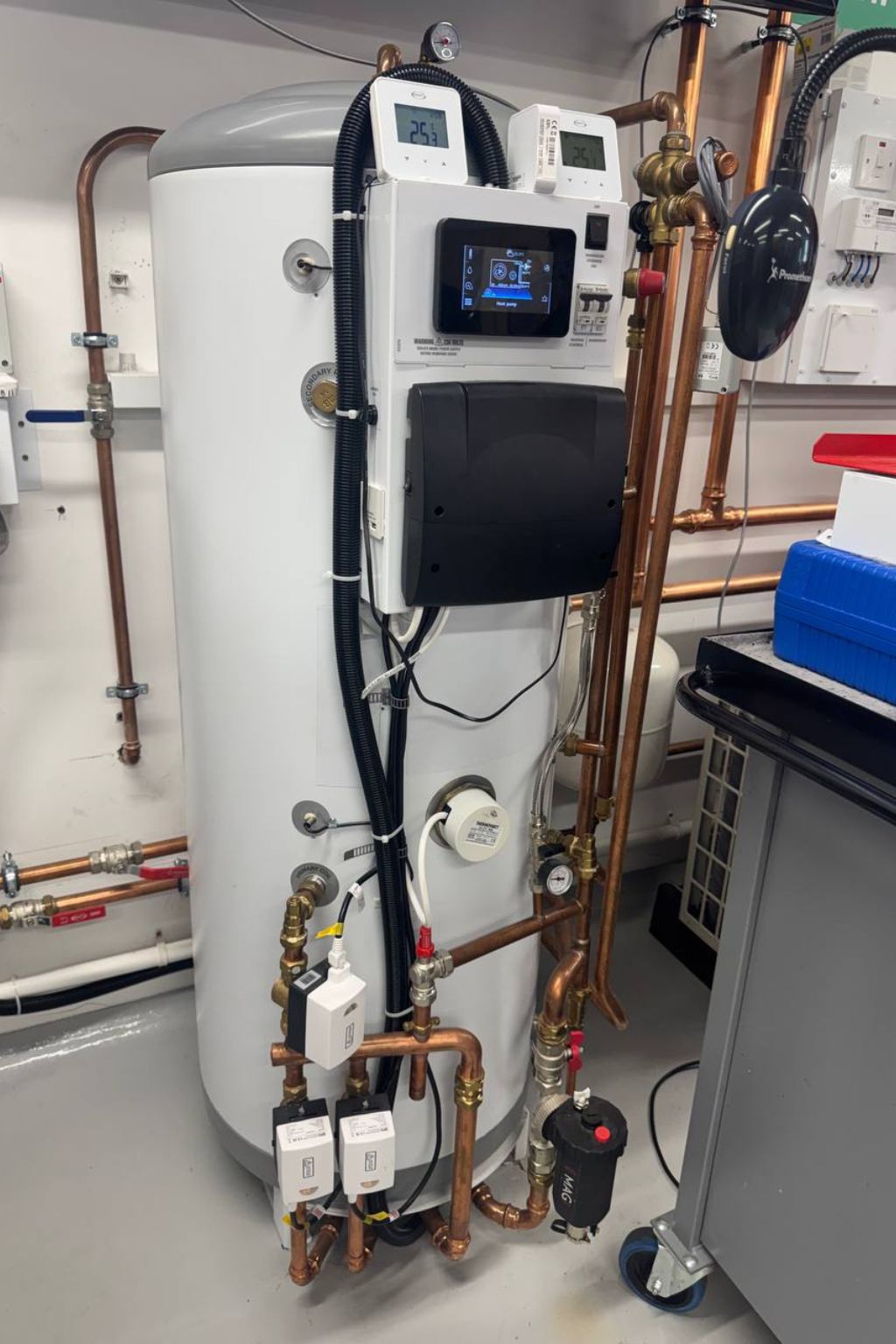
Heating Fluid Health Check
The condition of the fluid inside your heating system has a direct impact on efficiency, reliability and long-term protection. Over time, heating fluid can deteriorate through corrosion, contamination, glycol degradation or the depletion of protective inhibitors, often without any obvious signs.
A Heating Fluid Health Check provides a professional assessment of the fluid currently circulating within sealed heating systems. By analysing its condition, DryZone can determine whether the fluid continues to perform as intended or whether maintenance, treatment or replacement is genuinely required. Every recommendation is based on test results, helping you avoid unnecessary work while identifying problems before they become costly repairs.
✔ Learn what a professional heating fluid health check includes
✔ Discover how heating fluid condition influences heating system performance and protection
✔ Recognise the common signs that your heating fluid may need attention
✔ Understand what the test results mean and whether your system needs maintenance, treatment or fluid replacement
Why Heating Fluid Condition Matters
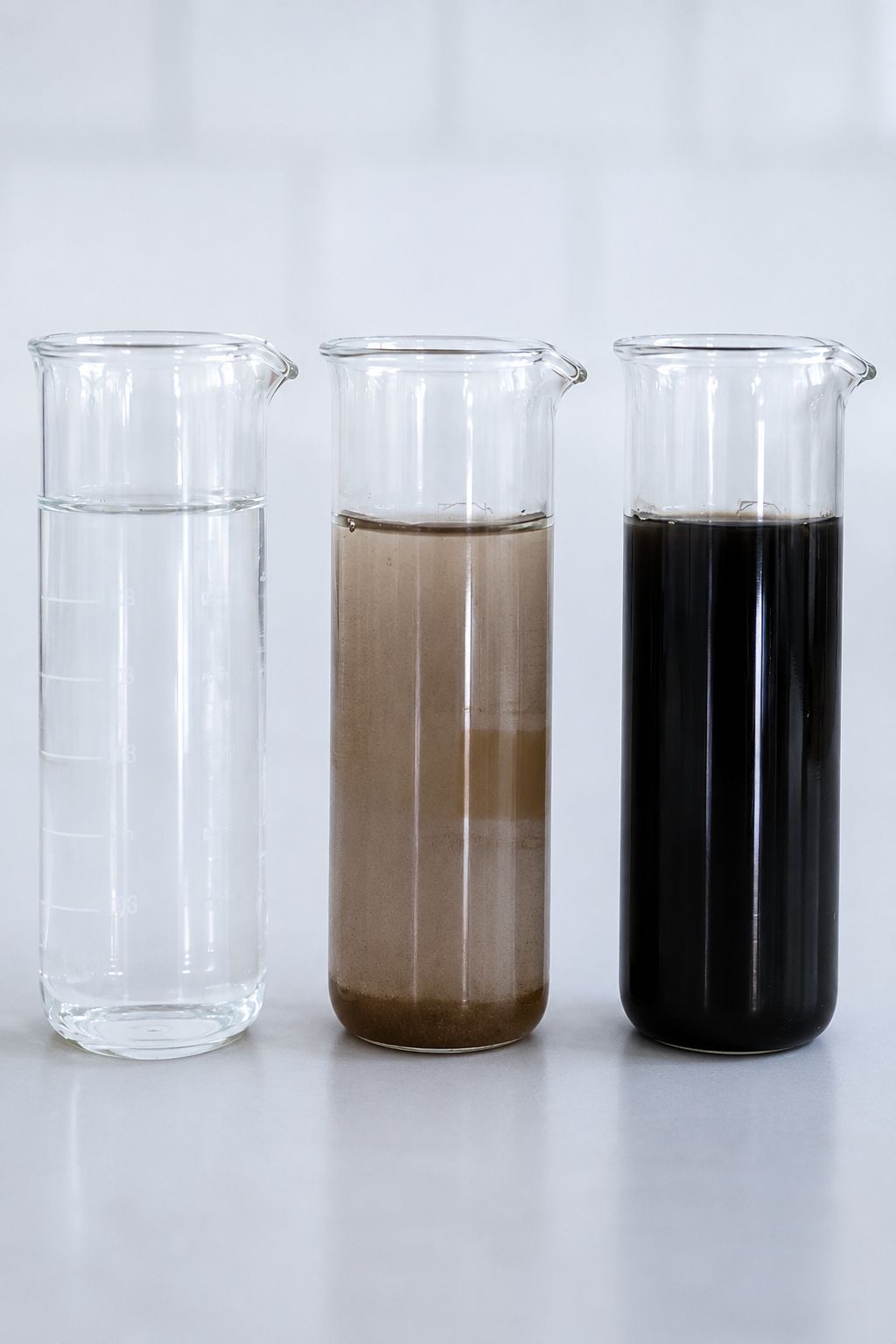
Heating fluid does much more than simply carry heat around your property. It also helps protect the internal components of your heating system, supports efficient circulation and reduces the conditions that can lead to corrosion and deposit formation. In systems containing glycol, it also provides freeze protection during colder periods.
As the fluid ages, its protective properties can gradually decline. Corrosion inhibitors become depleted, contaminants begin to accumulate and the fluid becomes less effective at protecting the system. These changes are often invisible during normal operation but can contribute to reduced efficiency, increased component wear and higher maintenance costs over time.
| Function of Heating Fluid | Why It Matters |
|---|---|
| Heat transfer | Carries thermal energy efficiently throughout the heating system. |
| Corrosion protection | Protective inhibitors help reduce internal corrosion of metal components. |
| Pump lubrication* | Provides lubrication for certain pump designs where the circulating fluid contributes to bearing protection. |
| Deposit prevention | Helps minimise sludge and corrosion by-products that can restrict circulation. |
| Freeze protection** | Glycol-based fluids help protect systems exposed to low temperatures. |
** Applies only to systems using glycol-based heating fluid.
What Happens As Heating Fluid Ages?
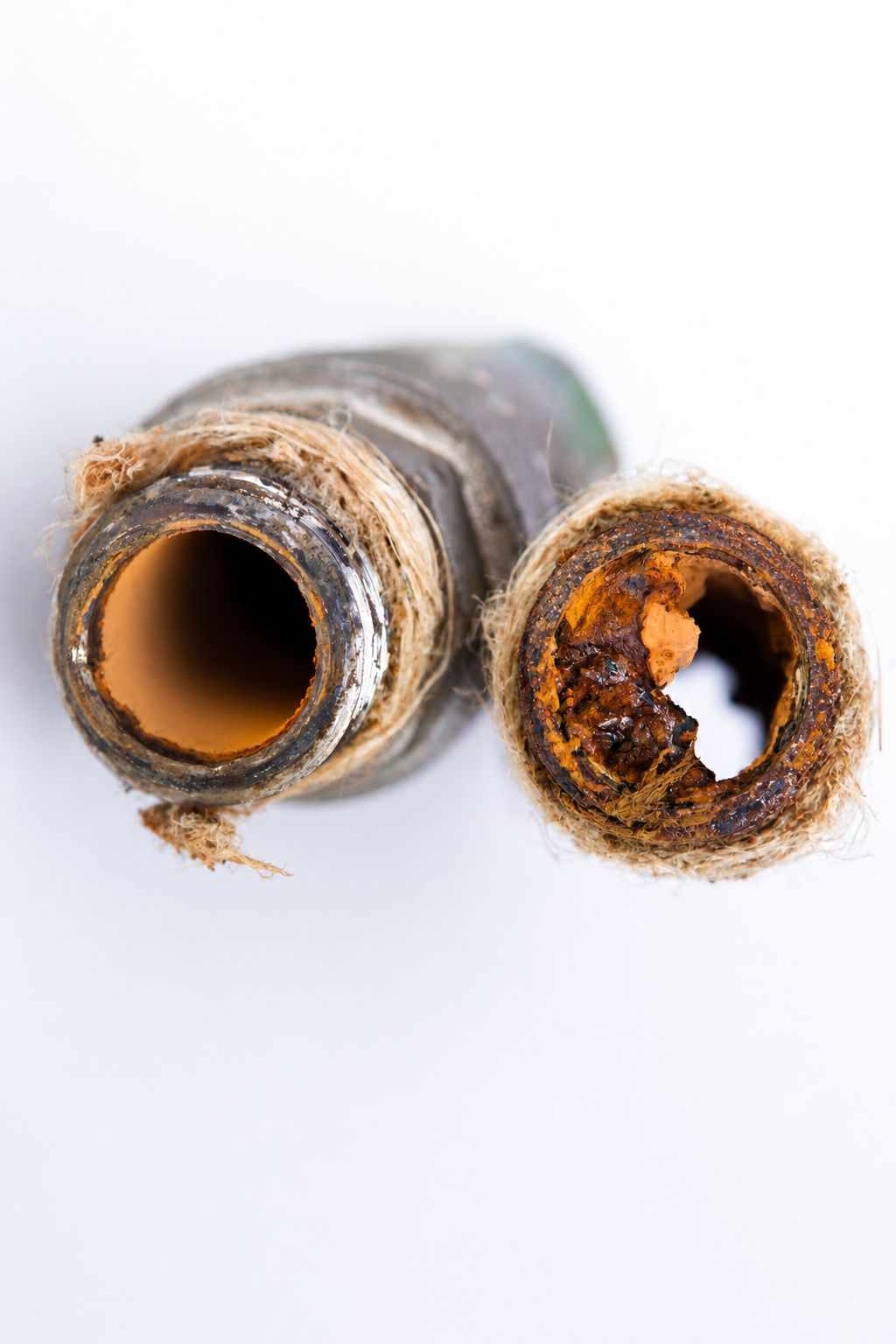
Heating fluid is not designed to remain in the same condition indefinitely. Even within a sealed heating system, its chemical properties gradually change as the system operates. Exposure to heat, oxygen ingress, corrosion products and, where applicable, glycol degradation slowly reduce the fluid’s ability to protect the system.
These changes usually occur over many years and often develop without obvious warning signs. By the time heating performance begins to decline or components start to fail, the condition of the fluid may already have deteriorated significantly.
| Change | Potential Impact |
|---|---|
| Depletion of corrosion inhibitors | Reduced protection of metal components against internal corrosion. |
| Build-up of suspended particles | Sludge and debris can restrict circulation and reduce heat transfer. |
| Glycol degradation* | Lower freeze protection and the formation of acidic by-products. |
| Changes in pH | Increased risk of corrosion and accelerated component wear. |
| Reduced thermal performance | Less efficient heat transfer throughout the heating system. |
Rather than relying on the age of the system or making assumptions about the condition of the fluid, a professional Heating Fluid Health Check determines its actual condition and identifies whether any corrective action is genuinely required. In open-vented heating systems, the causes of water deterioration can differ because the system is exposed to the atmosphere and may receive fresh make-up water.
* Applies only to systems using glycol-based heating fluid.
Signs Your Heating Fluid May Need Attention
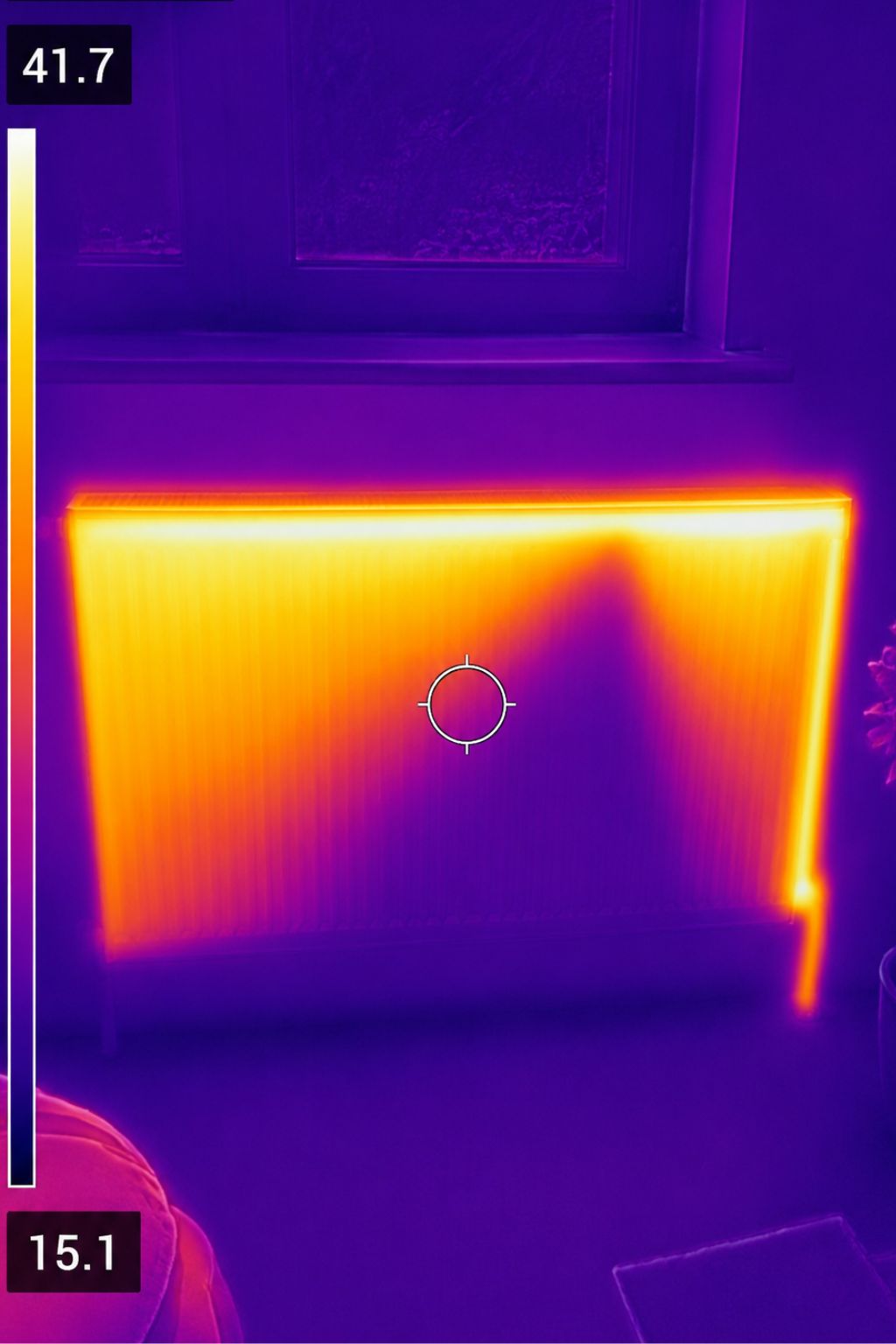
The condition of heating fluid often changes gradually, so problems are not always immediately noticeable. Many heating systems continue to operate while the fluid is already losing its protective properties. Recognising these early warning signs can help prevent more serious issues and unnecessary component wear.
Although these symptoms do not automatically mean the heating fluid is the cause, they indicate that a professional assessment is worthwhile before deciding on any maintenance or repairs.
Common signs include:
- Cold spots on radiators despite normal system operation.
- Longer warm-up times before rooms reach the desired temperature.
- Reduced heating efficiency or increasing energy consumption.
- Discoloured or dirty heating fluid visible during servicing or bleeding radiators.
- Frequent air in the system requiring repeated bleeding.
- Unusual circulation pump or boiler noise caused by poor fluid condition or contamination.
- Visible sludge or deposits found during maintenance work.
- Heating fluid that has not been checked for many years, particularly in older systems or glycol-filled installations.
These symptoms can have a variety of causes, which is why replacing the fluid or carrying out a system flush without testing first is not always the right solution. A Heating Fluid Health Check identifies the actual condition of the fluid, allowing maintenance decisions to be based on evidence rather than assumptions.
What We Test During the Health Check
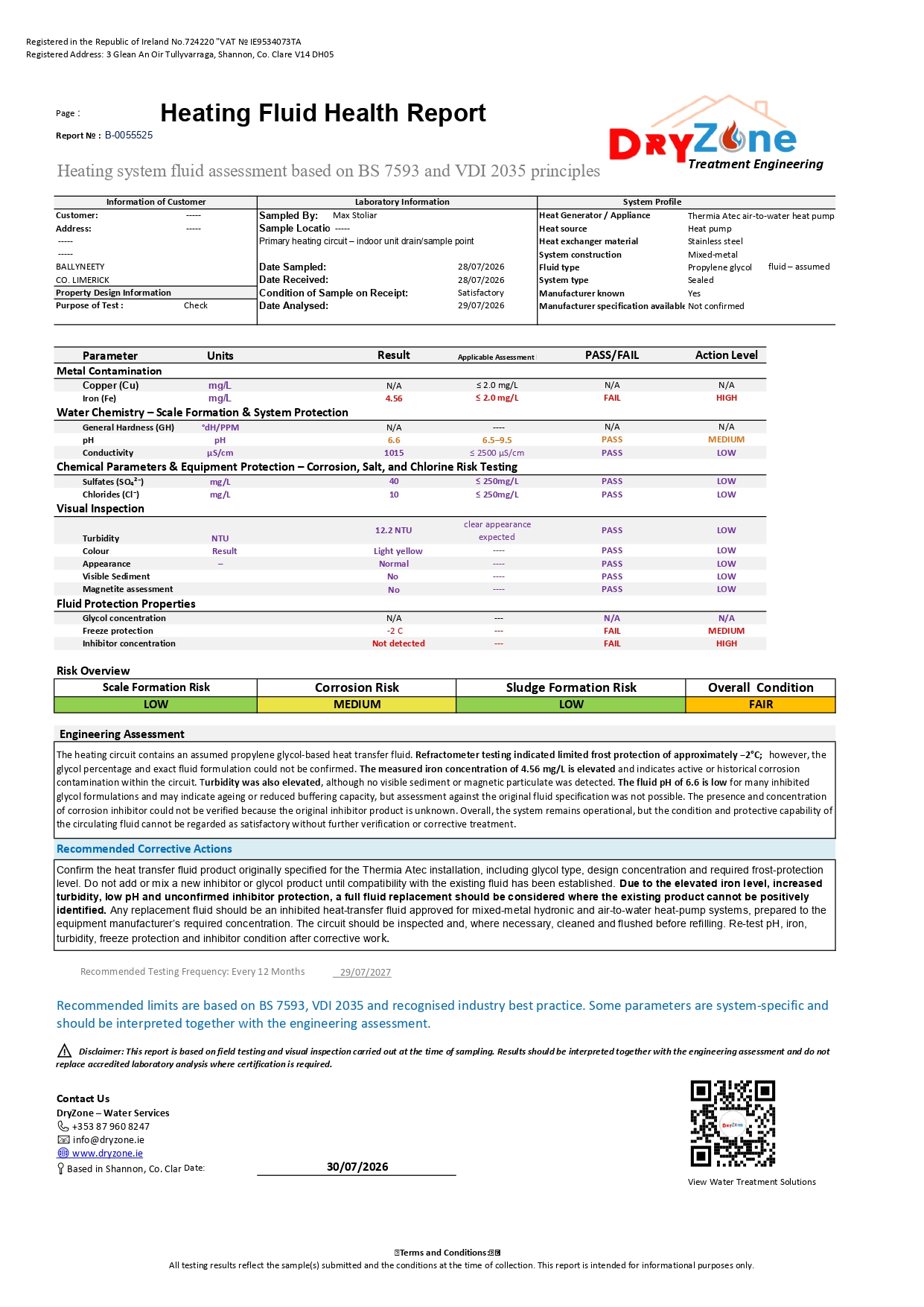
Every DryZone Heating Fluid Health Check combines a visual inspection, detailed laboratory analysis and a professional assessment of the results. Rather than relying on assumptions, we evaluate the condition of the heating fluid using measurable parameters and provide clear recommendations based on the findings.
| Assessment Stage | What We Assess |
|---|---|
| Visual Inspection | Heating fluid colour and sample appearance • Clarity and transparency • Visible sediment and suspended particles • Magnetite contamination (including magnetic filter inspection where fitted) • Visible signs of corrosion • Evidence of leaks or fluid loss around accessible components |
| Laboratory Analysis | pH • Electrical Conductivity • Total Hardness (Calcium & Magnesium) • Chlorides (Cl⁻) • Sulphates (SO₄²⁻) • Dissolved Iron (Fe) • Copper (Cu) • Corrosion Inhibitor Level • Glycol Concentration & Freeze Protection |
| Heating Water Quality Assessment | Scale formation risk • Internal corrosion risk • Sludge formation risk • Overall assessment based on the principles of BS 7593 and VDI 2035 |
| Report & Recommendations | Overall Heating Water Condition • Results for all analysed parameters • Recommended corrective actions (where required) • Recommended interval for repeat analysis |
Following the assessment, you receive a comprehensive report explaining the condition of your heating fluid in clear, practical terms. Where any issues are identified, we outline the recommended corrective actions and advise when the next Heating Fluid Health Check should be carried out.
Note: What are BS 7593 and VDI 2035?
As part of our Heating Water Quality Assessment, we evaluate the results using the principles of BS 7593 and VDI 2035. These recognised industry guidelines help assess whether heating water is likely to contribute to corrosion, scale formation or sludge accumulation within closed heating systems.
BS 7593 is the British Code of Practice for the commissioning, maintenance and treatment of domestic central heating systems. It provides guidance on heating water quality, corrosion protection, inhibitor use, system cleaning and ongoing maintenance to help maximise system efficiency and equipment lifespan.
VDI 2035 is a German engineering guideline widely referenced throughout Europe for heating water quality in closed heating systems. It focuses on preventing scale formation and corrosion by controlling factors such as water hardness, conductivity and overall water chemistry.
Together, these recognised standards provide a reliable framework for assessing heating water condition and supporting informed maintenance decisions.
Open-Vented Heating Water Assessment
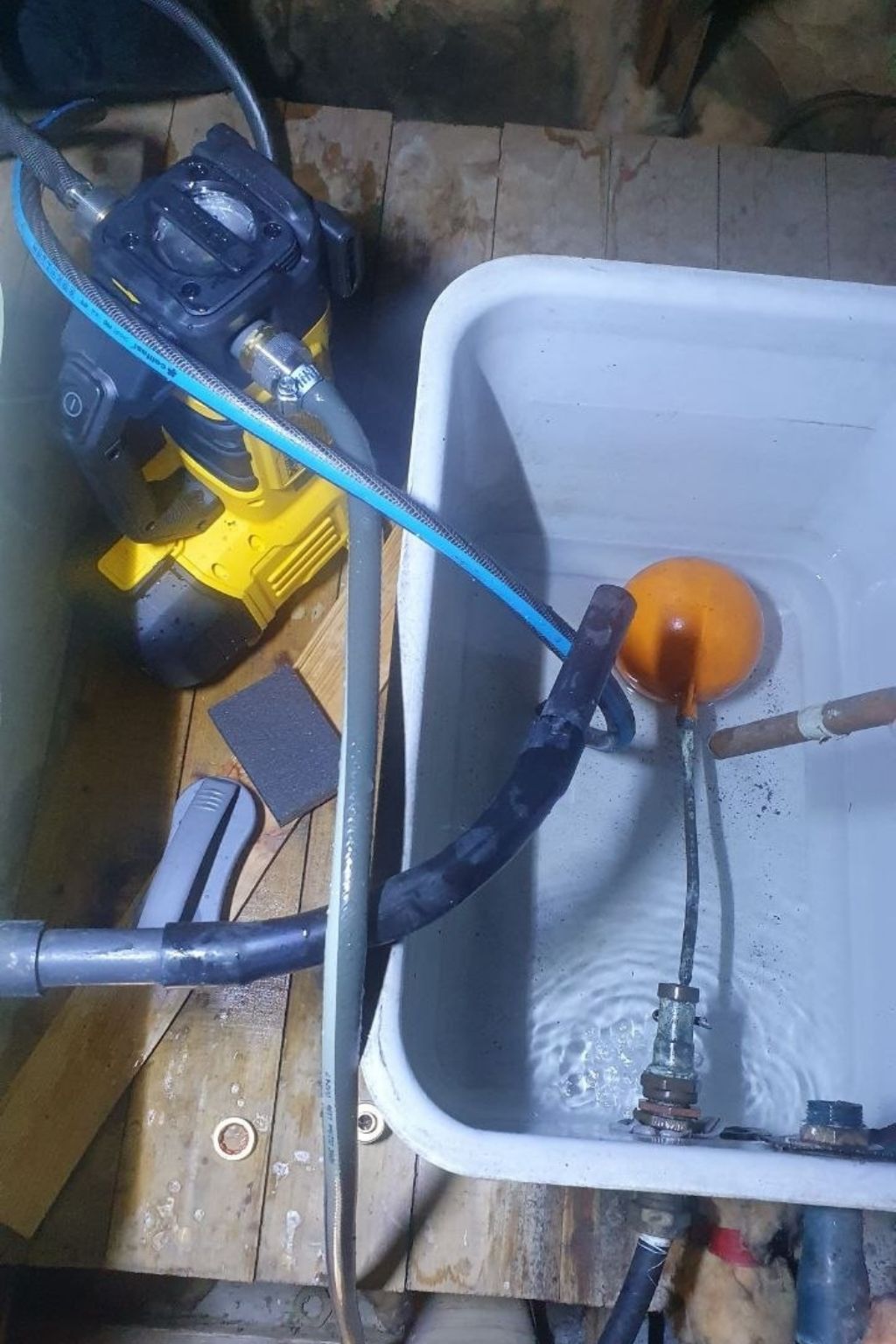
Traditional open-vented heating systems are still found in many older homes and properties, often using a feed and expansion tank located in the attic. Unlike a sealed heating system, an open-vented system is connected to the atmosphere, meaning the heating water can be exposed to air and may receive fresh make-up water as the system operates.
This can affect the condition of the heating water over time. Repeated exposure to oxygen and fresh water can contribute to internal corrosion, magnetite formation, sludge, contamination and the gradual deterioration of the water chemistry. In some systems, excessive make-up water or problems such as pumping-over can further increase these risks.
What We Assess
An Open-Vented Heating Water Assessment looks at the actual condition of the water and, where relevant, the factors within the system that may be contributing to its deterioration.
The assessment may include:
- Heating water condition and appearance, including visible discolouration, contamination or deposits.
- pH, conductivity and relevant chemical indicators to help assess the condition of the water.
- Iron and corrosion indicators that may point to ongoing internal corrosion.
- Magnetite and sludge, where present, which can affect circulation and heating performance.
- Inhibitor condition, where an inhibitor has been used in the system.
- Feed and expansion tank condition, where this may be relevant to the water quality or system operation.
- Signs of excessive fresh-water make-up or other conditions that may be introducing additional oxygen into the system.
- Evidence of pumping-over or other system conditions that may contribute to water deterioration.
Why Testing the Water Alone May Not Be Enough
Poor heating water quality is not always simply a result of old water. In an open-vented system, the condition of the water can also be influenced by how the system is operating.
If fresh water is repeatedly entering the system, or if there is excessive exposure to air, treating or replacing the water without addressing the underlying cause may only provide a temporary improvement.
This is why an assessment considers the condition of the heating water alongside the relevant features and operating conditions of the system. The aim is to understand why the water has deteriorated, rather than simply treating the visible symptoms.
What Happens If We Find a Problem?
Depending on the findings, recommendations may include monitoring the water condition, inhibitor treatment, cleaning or flushing where justified, or investigating and correcting excessive make-up water, pumping-over or other causes of contamination and corrosion.
The objective is not simply to replace the heating water. It is to identify the reason for its deterioration and determine what action, if any, is genuinely required.
Our Findings Explained
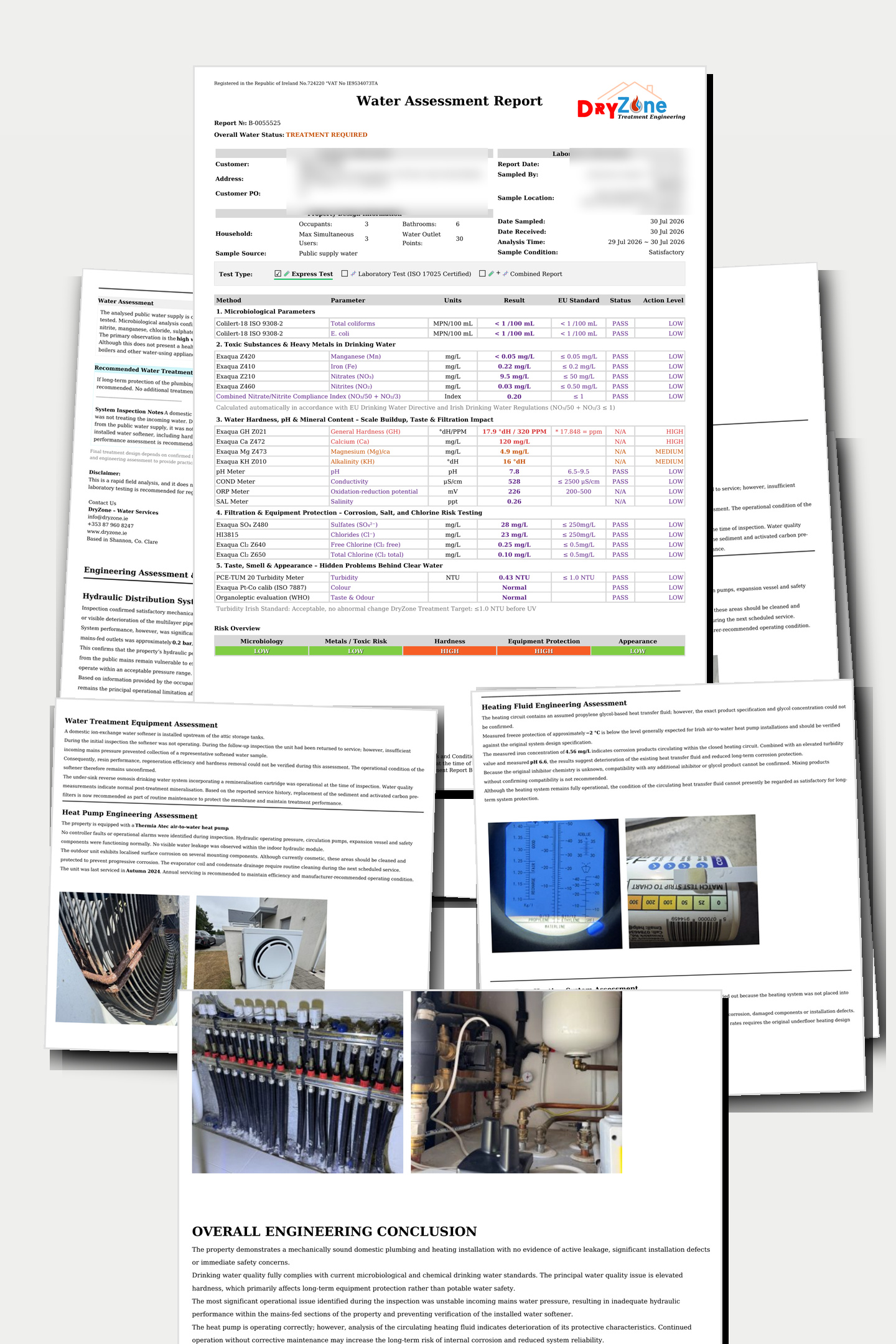
Testing is only valuable if the results are clearly explained. Every DryZone Heating Fluid Health Check includes a professional interpretation of the findings, helping you understand what they mean for your heating system rather than simply providing laboratory values.
Our report explains the overall condition of the heating fluid, identifies any developing issues and outlines whether corrective action is recommended. Where appropriate, we also explain why a particular treatment is advised and whether it should be carried out immediately or simply monitored over time.
Your report includes:
- Overall assessment of the heating fluid condition.
- Clear explanation of every parameter that was analysed.
- Identification of potential risks, including corrosion, sludge formation, scaling or glycol degradation where applicable.
- Recommended actions, based on the actual condition of the fluid rather than assumptions.
- Priority of any corrective work, helping distinguish between routine maintenance and issues requiring prompt attention.
- Recommended interval for the next Heating Fluid Health Check.
Our aim is not to recommend unnecessary maintenance but to provide objective, evidence-based advice. Whether your heating fluid is in excellent condition or requires attention, you’ll receive practical recommendations to help protect your heating system and plan future maintenance with confidence.
Which Heating Systems Require a Fluid Check?
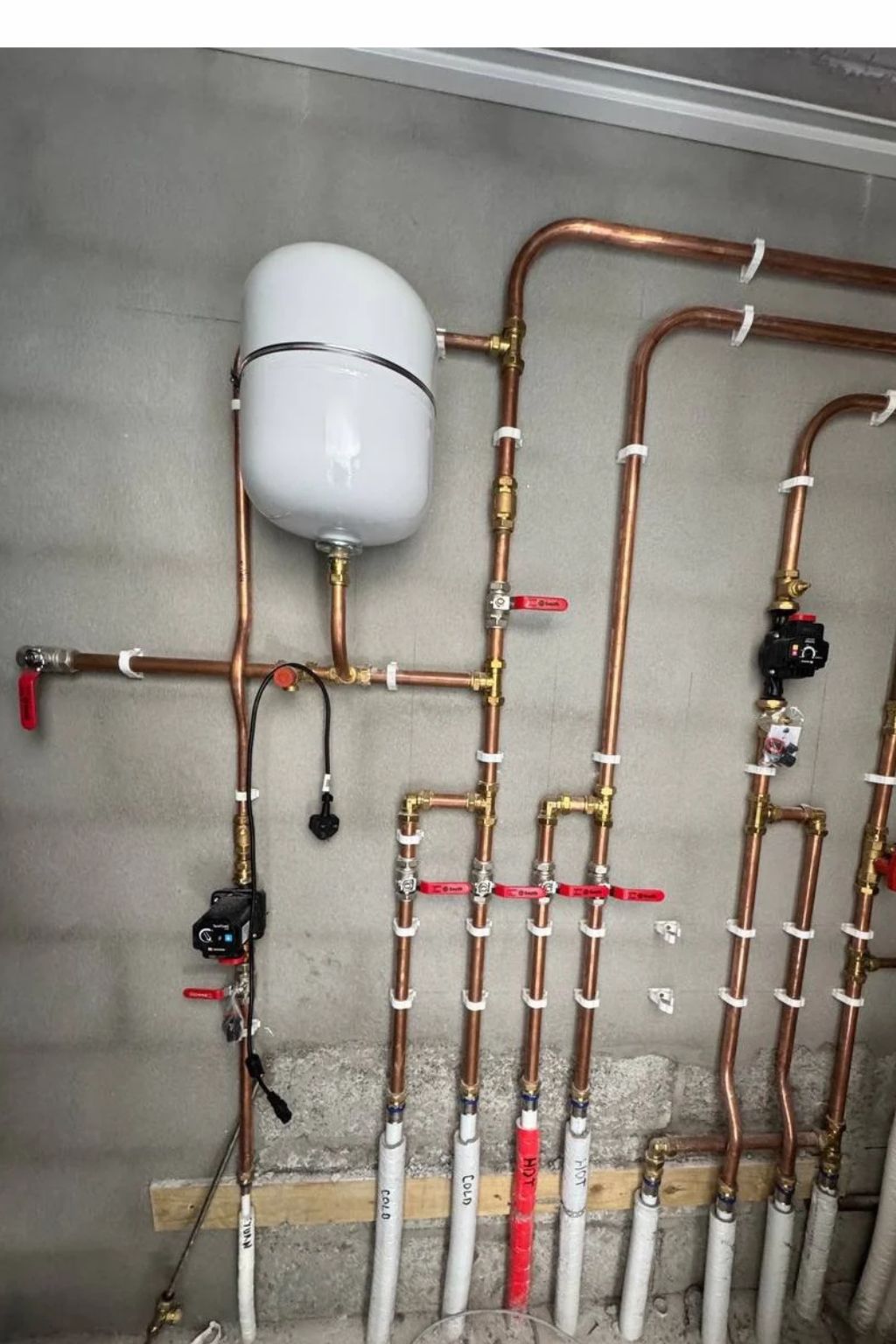
A Heating Fluid Health Check can be relevant to a wide range of wet heating systems where water or a water-glycol mixture circulates to transfer heat. The type of heating system, the condition of the heating fluid and the way the system operates all influence what should be assessed. For traditional open-vented systems, a specific heating water assessment may also be appropriate, particularly where a feed and expansion tank is present.
| Heating System | Why a Heating Fluid Health Check Is Beneficial |
|---|---|
| Air Source Heat Pumps | Ensures the heating fluid continues to provide efficient heat transfer and appropriate corrosion or freeze protection where glycol is used. |
| Ground Source Heat Pumps | Confirms glycol concentration, freeze protection and overall fluid condition within ground loop and heating circuits where applicable. |
| Oil Boilers | Assesses heating fluid quality to help minimise corrosion, sludge formation and unnecessary wear of system components. |
| Gas Boilers | Evaluates whether the heating fluid continues to protect the boiler and heating circuit from corrosion and contamination. |
| Underfloor Heating Systems | Helps identify fluid-related conditions that may reduce circulation or affect heating performance across multiple circuits. |
| Mixed Heating Systems | Particularly valuable where different materials and heating technologies operate together, placing greater demands on heating fluid quality. |
| Traditional Open-Vented Heating Systems | Provides an assessment of heating water in older systems, particularly those with a feed and expansion tank in the attic. These systems can be more exposed to oxygen and repeated fresh-water make-up, making corrosion, magnetite, sludge and water contamination important factors to assess. |

When Should Heating Fluid Be Checked?
Heating fluid does not usually require frequent replacement, but its condition should be assessed at appropriate intervals throughout the life of the heating system. Regular testing helps identify gradual changes before they develop into more costly problems and ensures that any maintenance is based on the actual condition of the fluid rather than its age alone.
A Heating Fluid Health Check is particularly recommended in the following situations:
| When to Check | Why It Matters |
|---|---|
| During routine heating system servicing | Periodic testing helps monitor fluid condition and identify gradual deterioration over time. |
| After a new heating system has been installed | Establishes a baseline for future maintenance and confirms the initial condition of the heating fluid. |
| Before the manufacturer's warranty expires | Helps identify any developing issues while the system is still under warranty. |
| After major repairs or component replacement | New components or system work may affect heating fluid quality or introduce contamination. |
| After topping up the system with water or glycol | Additional fluid can alter inhibitor concentration, freeze protection and overall water chemistry. |
| When purchasing a property | Provides valuable information about the condition of the heating system before ownership changes. |
| If the system has been operating for several years without testing | Even when no obvious problems are present, the heating fluid may no longer provide the level of protection the system requires. |
Additional reasons to check an open-vented heating system
For traditional open-vented systems, a heating water assessment can also be worthwhile where you notice:
- Persistent sludge or corrosion despite previous maintenance or cleaning.
- Heating water becoming dirty again quickly after cleaning, suggesting an underlying cause has not been resolved.
- Frequent air in the system requiring repeated bleeding.
- Repeated fresh-water make-up, which can introduce additional oxygen and affect water condition.
- Problems with the feed and expansion tank, including contamination or other signs that it may be affecting the heating water.
- Signs of pumping-over, where heating water is being pushed back into the feed and expansion tank during system operation.
Rather than waiting for heating performance to decline or equipment problems to appear, periodic testing allows maintenance to be planned proactively, helping protect both the heating fluid and the components that depend on it.
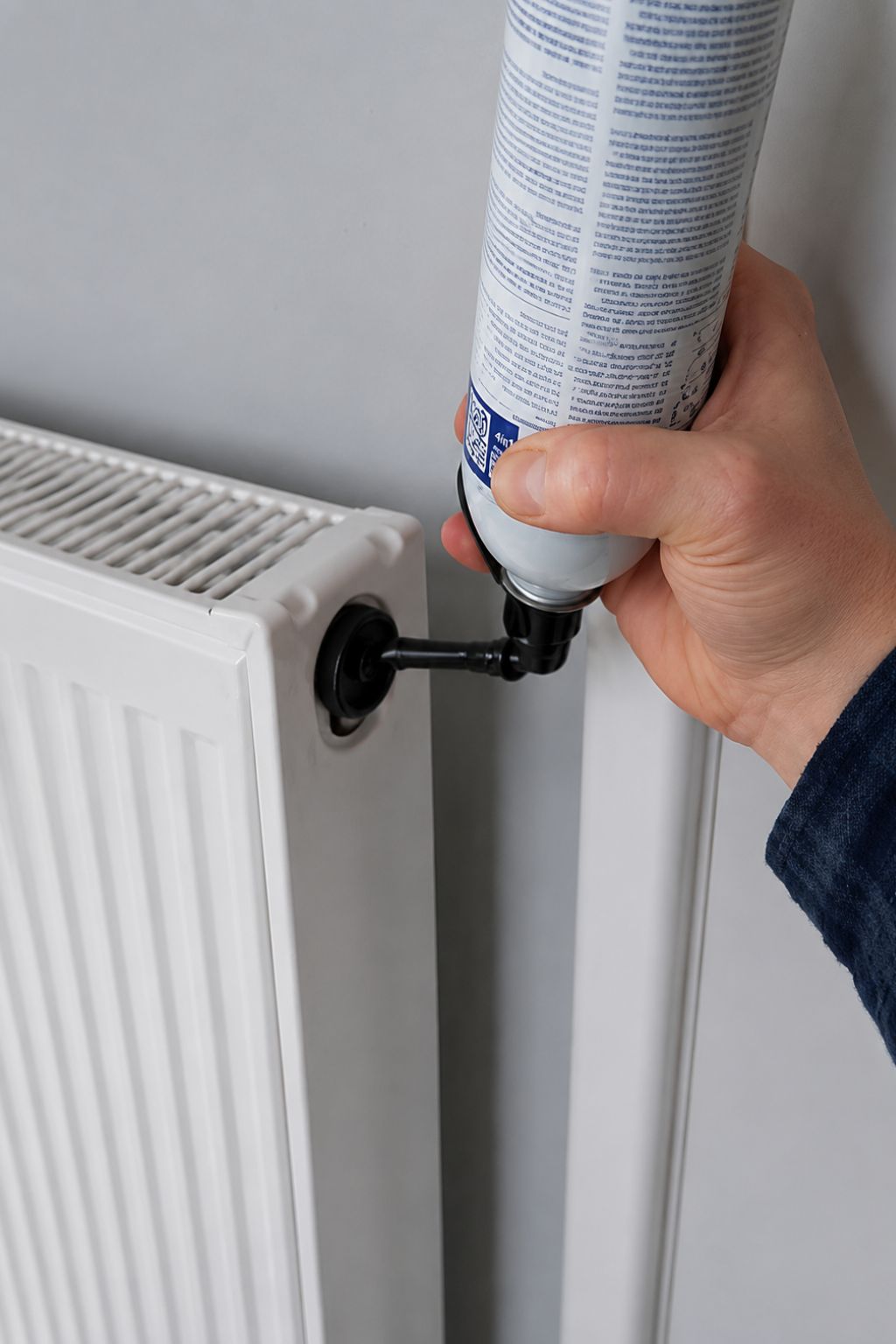
What Happens If We Find a Problem?
One of the most common questions after a Heating Fluid Health Check is whether the existing fluid can remain in service or if it should be replaced. The answer depends entirely on the test results.
In many cases, complete fluid replacement is unnecessary. If the heating fluid still provides adequate protection and only minor adjustments are required, targeted maintenance may be sufficient. Where testing identifies significant deterioration or contamination, more extensive corrective action may be recommended.
| Test Findings | Typical Recommendation |
|---|---|
| Heating fluid is in good condition | Continue using the existing fluid and retest at the recommended interval. |
| Corrosion inhibitor level is low | Replenish the inhibitor if appropriate. |
| Glycol concentration is outside the required range | Adjust the glycol concentration to restore adequate freeze protection. |
| Minor contamination detected | Investigate the source and carry out targeted maintenance if required. |
| Significant contamination or fluid degradation | Consider partial or complete fluid replacement, depending on the overall condition of the system. |
| High corrosion or sludge risk | Correct the underlying cause before deciding whether fluid replacement is necessary. |
At DryZone, we don’t recommend replacing heating fluid simply because the system has reached a certain age. Every recommendation is based on measured results, ensuring that maintenance is appropriate, cost-effective and tailored to the actual condition of your heating system.

Why Choose DryZone?
Choosing the right company is just as important as choosing the right maintenance. A Heating Fluid Health Check should provide clear answers based on measurable evidence, not assumptions or unnecessary recommendations.
Why property owners choose DryZone
- Evidence-Based Recommendations
We assess the condition of your heating fluid before recommending any maintenance, treatment or replacement. - Professional Laboratory Analysis
Heating fluid is evaluated using multiple physical and chemical parameters to provide an objective assessment of its condition. - Assessment Against Recognised Standards
Results are interpreted using the principles of BS 7593 and VDI 2035, two widely recognised guidelines for heating water quality. - Independent, Practical Advice
Our goal is to explain the findings clearly and recommend only the work that is genuinely required. - Suitable for a Wide Range of Heating Systems
We assess heating fluid in heat pumps, oil boilers, gas boilers, underfloor heating and mixed wet heating systems. - Clear, Easy-to-Understand Reports
Every customer receives a detailed report explaining the results, any identified risks and the recommended next steps in plain language.
Whether your heating system is operating perfectly or you’re investigating a potential problem, a professional Heating Fluid Health Check provides the information needed to make confident maintenance decisions while helping protect the long-term performance of your system.
Heating System Service Zones
DryZone is based in Shannon, Co. Clare, and provides professional heating system balancing across County Clare and County Limerick.
If you’re not sure whether we serve your area, just send us a message—we’ll do our best to help you.

FAQs
Not necessarily. Unlike engine coolant, heating fluid in a sealed system is not replaced according to a fixed schedule. A professional Heating Fluid Health Check determines whether the fluid still provides adequate protection or whether maintenance is actually required.
The appropriate interval depends on the age of the system, the type of heating fluid and the manufacturer’s recommendations. As a general rule, testing is advisable as part of long-term preventative maintenance, after major system work or whenever there are concerns about heating performance.
Yes. Contamination, corrosion products and degraded glycol can reduce heat transfer, restrict circulation and increase the workload on heating system components, potentially affecting overall efficiency.
No. A Heating Fluid Health Check is an assessment, not a cleaning service. The purpose of the test is to determine the condition of the heating fluid before deciding whether any treatment, flushing or replacement is actually necessary.
Yes. Where glycol is present, we assess its concentration, freeze protection and overall condition as part of the laboratory analysis.
The assessment cannot directly inspect the inside of every component, but laboratory analysis can identify indicators associated with corrosion, contamination and heating fluid deterioration, helping to assess the overall condition of the system.
No. Many heating systems circulate treated water without glycol. Glycol is typically used where freeze protection is required, such as in many heat pump installations or systems exposed to low temperatures.
Yes. DryZone can assess heating water from traditional open-vented heating systems, including systems with a feed and expansion tank in the attic. The assessment looks at the condition of the water and relevant indicators of corrosion, contamination and system-related deterioration. Where necessary, the findings can also help identify whether issues such as repeated fresh-water make-up, excessive air exposure or pumping-over may be contributing to poor water condition.
A sealed heating fluid health check focuses primarily on the condition of the fluid circulating within a closed, pressurised heating system. Depending on the system, this can include assessment of pH, conductivity, inhibitor condition, glycol concentration and indicators of corrosion or contamination.
An open-vented heating water assessment considers the water condition together with the factors that can affect an open system, such as atmospheric exposure, repeated fresh-water make-up, the feed and expansion tank and signs of pumping-over. This is important because deterioration in an open-vented system may be caused not only by the condition of the water itself, but also by how the system is operating.