Leak Detection Services
Signs You May Have a Hidden Water Leak
A hidden leak does not always produce an obvious pool of water. In many cases, the first signs may include:
- unexplained increases in water consumption;
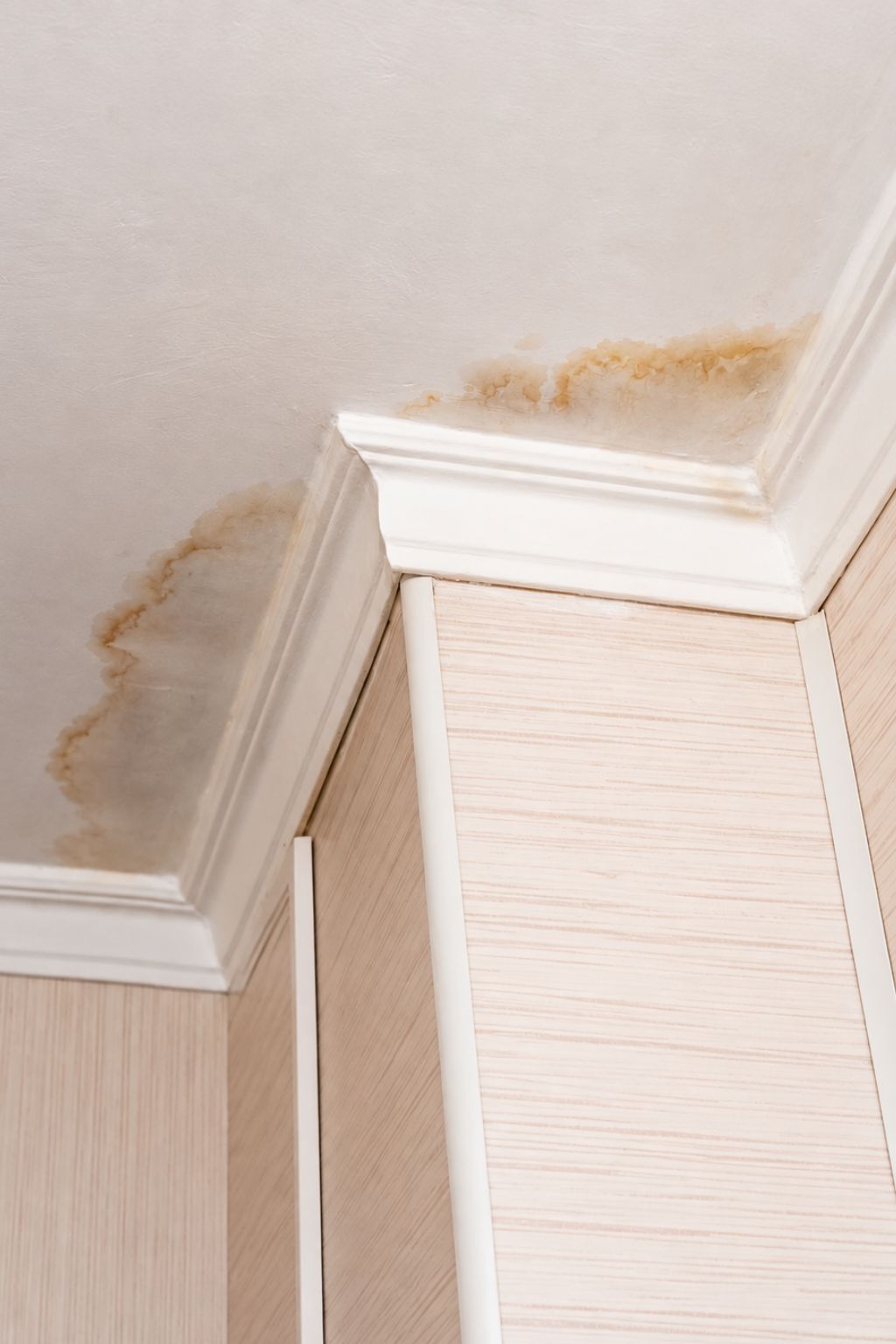
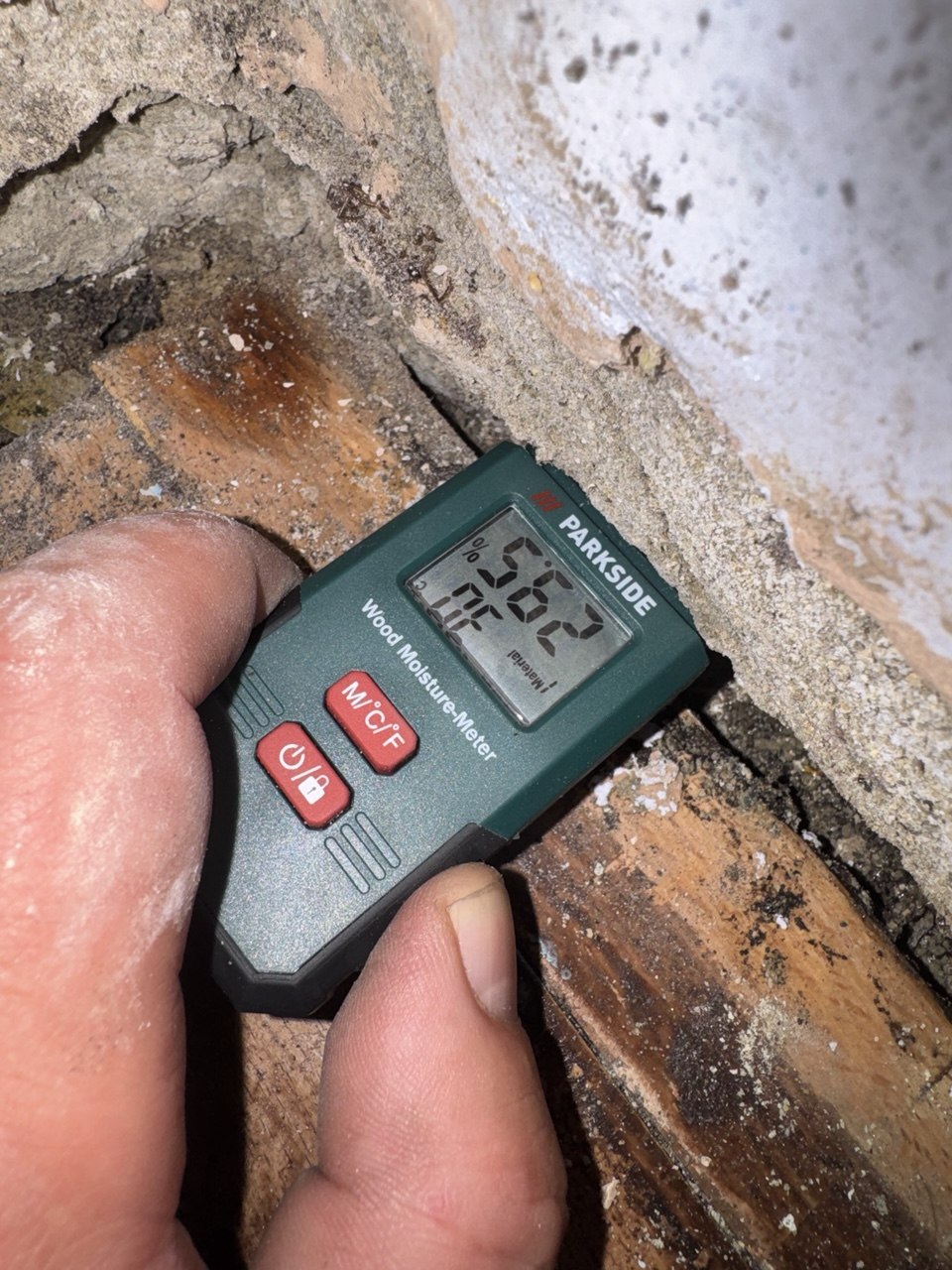
- damp patches, staining or localised moisture;
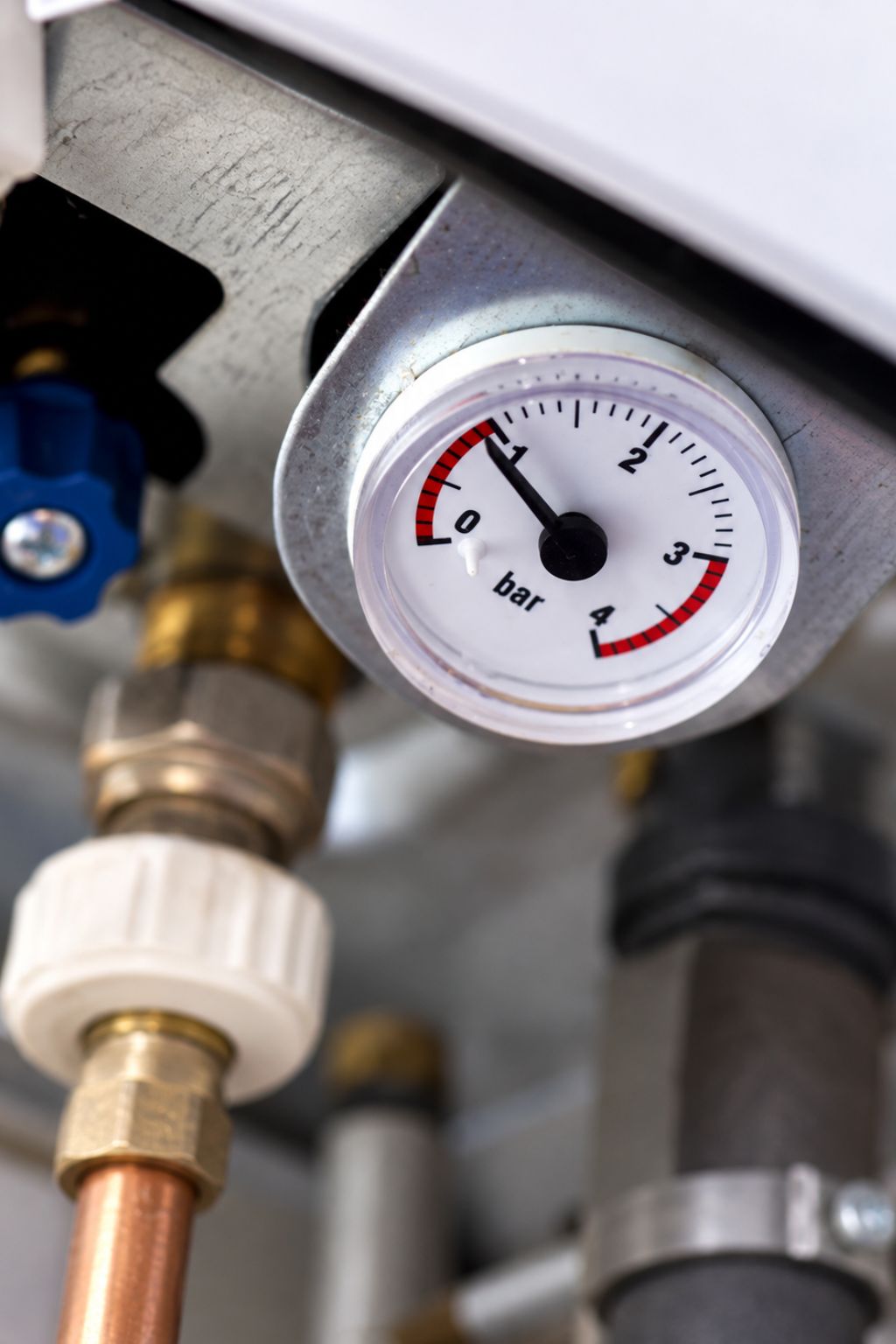
- recurring loss of pressure in a heating system;
- unusual dripping, hissing or running-water sounds;
- damage to walls, ceilings or flooring without an obvious cause.
Any one of these signs does not necessarily confirm a leak, but persistent or recurring symptoms are a good reason to investigate further before the problem causes more extensive damage.
Where Hidden Leaks Can Occur
Hidden leaks can develop in different parts of a property, and the source is not always a pressurised water pipe.
Common locations include:
- concealed pipework inside walls, floors and ceilings;
- hot and cold water supply lines;
- heating pipework and radiator circuits;
- underfloor heating systems;
- pipe joints, fittings and connections;
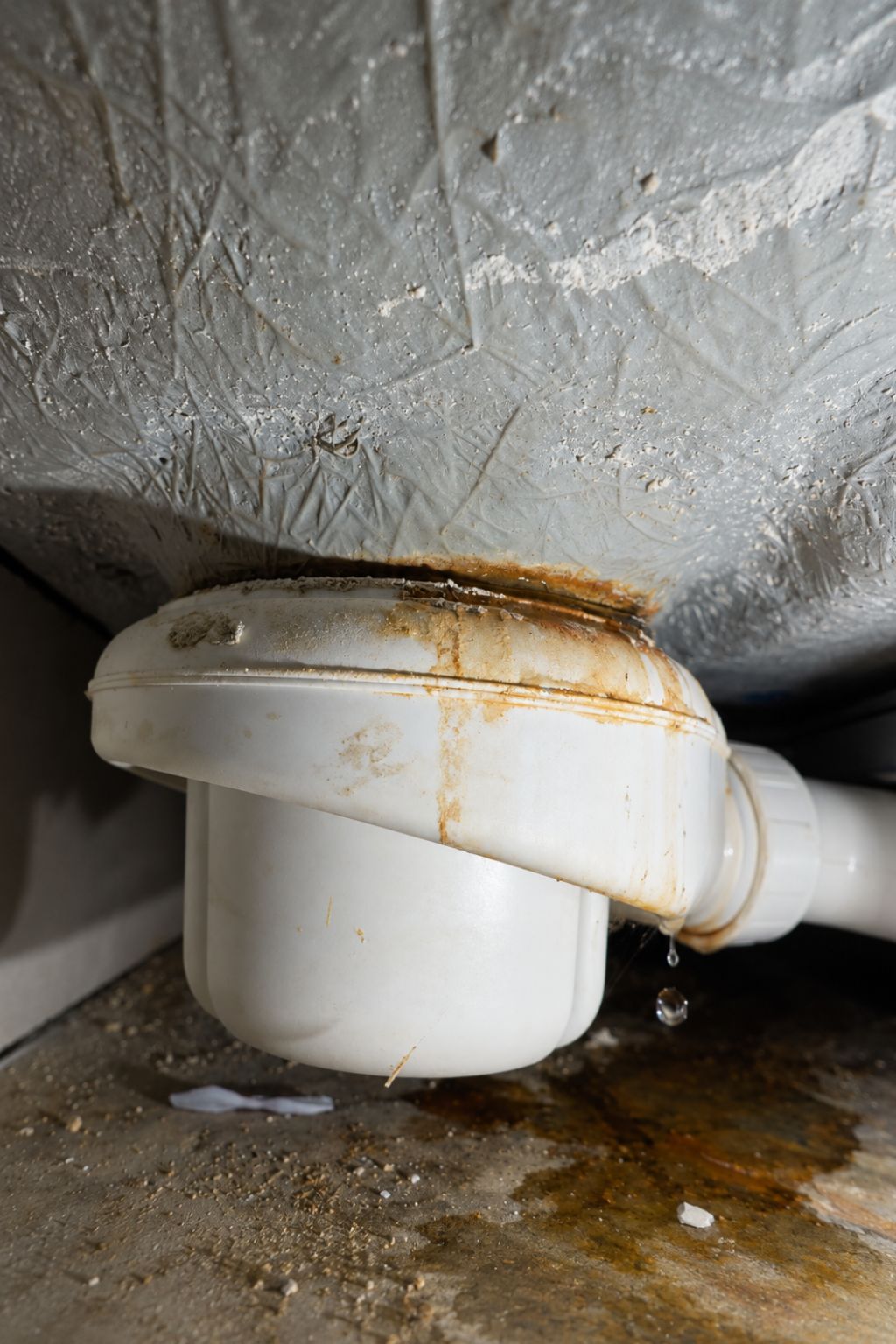
- shower trays, baths and tiled areas where seals or silicone joints have failed;
- drainage pipework and plastic waste connections.
Because moisture can travel away from the original source, the visible damage may appear some distance from the actual leak. This is why identifying the affected area is only the first step. The source itself still needs to be properly located.
DryZone investigates internal plumbing and heating leaks, including concealed pipework within the property. However, leak detection on external underground pipework is not part of this service, particularly where pipes are buried at significant depth, such as around 2–3 metres below ground level.
How Professional Leak Detection Works
Leak Detection in Heating Systems
A loss of pressure in a heating system does not always mean the leak will be visible. Water can escape from concealed pipework, fittings, radiator circuits or underfloor heating loops without immediately appearing on the surface.
Common causes can include:
- corrosion and deterioration of metal pipework;
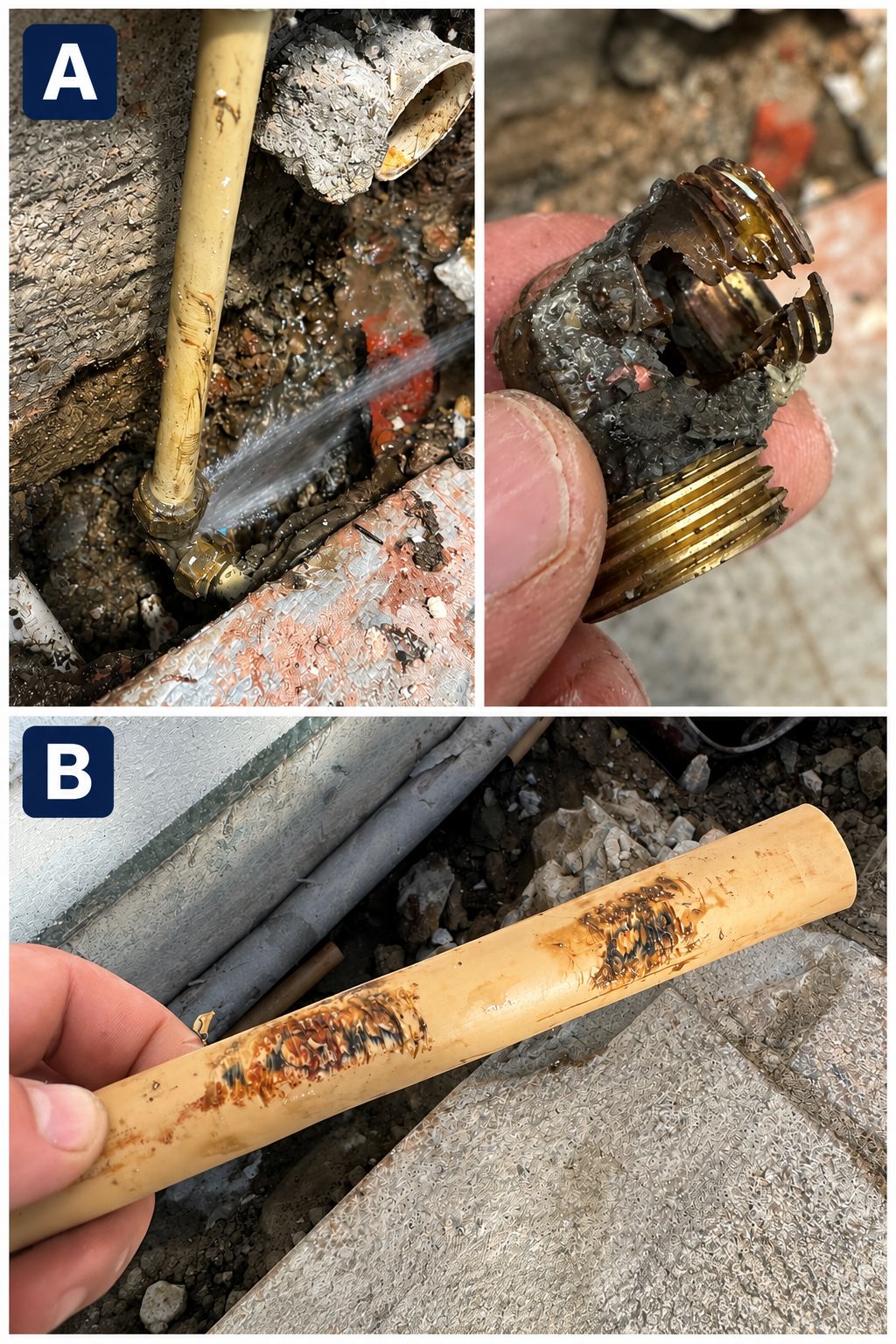
- deterioration of fittings and joints caused by low-pH heating water, ageing or repeated thermal movement (illustration A);
- pressure fluctuations and hydraulic shock;
- repeated expansion and contraction of heating and hot-water pipework as temperatures change;
- damage to plastic pipework, including cases where pipes have been affected by rodents (illustration B)
The purpose of leak detection is to establish whether pressure loss is being caused by an actual leak and, where possible, narrow the problem down to a specific circuit, section or area. This is separate from a general heating system diagnostic, which assesses the wider performance and operation of the system.
What Happens During a Leak Detection Visit?
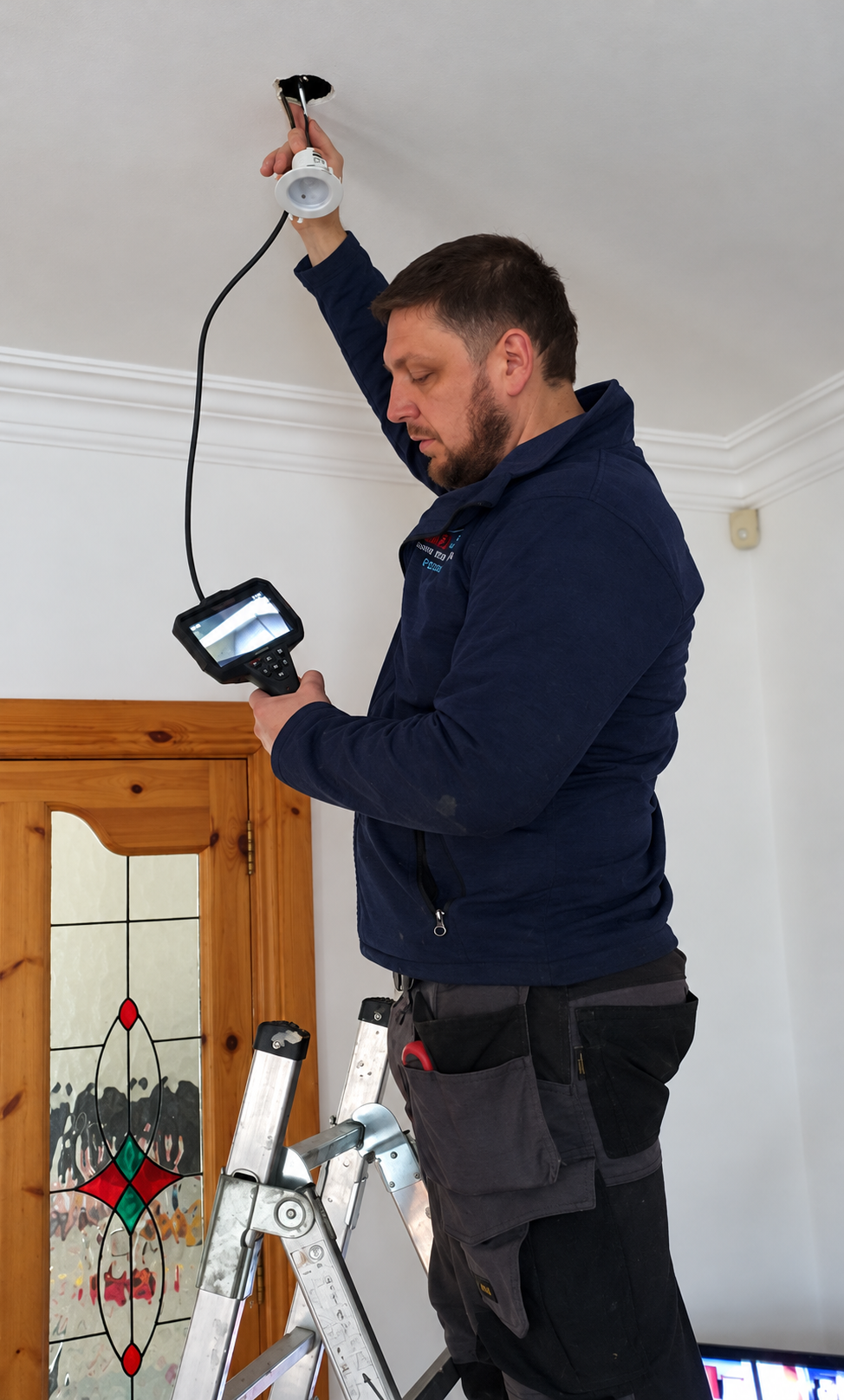
A leak detection visit begins with understanding what has been happening at the property and when the problem first appeared. This helps determine which parts of the system should be checked first and which diagnostic methods are most appropriate.
The visit typically includes:
- discussion of the symptoms and history of the problem;
- initial inspection of the affected area and accessible pipework;
- selection of suitable diagnostic methods based on the system and suspected leak location;
- testing of individual circuits, lines or areas where required;
- assessment of the results and narrowing down the probable source of the leak;
- explanation of the findings and the recommended next step.
DryZone aims to locate leaks with as little disruption as possible. However, not every leak can be confirmed or reached without opening part of a wall, floor or ceiling. Where access is necessary, this will be explained before further work is carried out.
In some heating-system cases, depending on the type and location of the leak, a suitable sealing product may also be considered as part of the repair approach. This is not appropriate for every system or every type of leak and is assessed individually.
What Happens After a Leak Is Found?
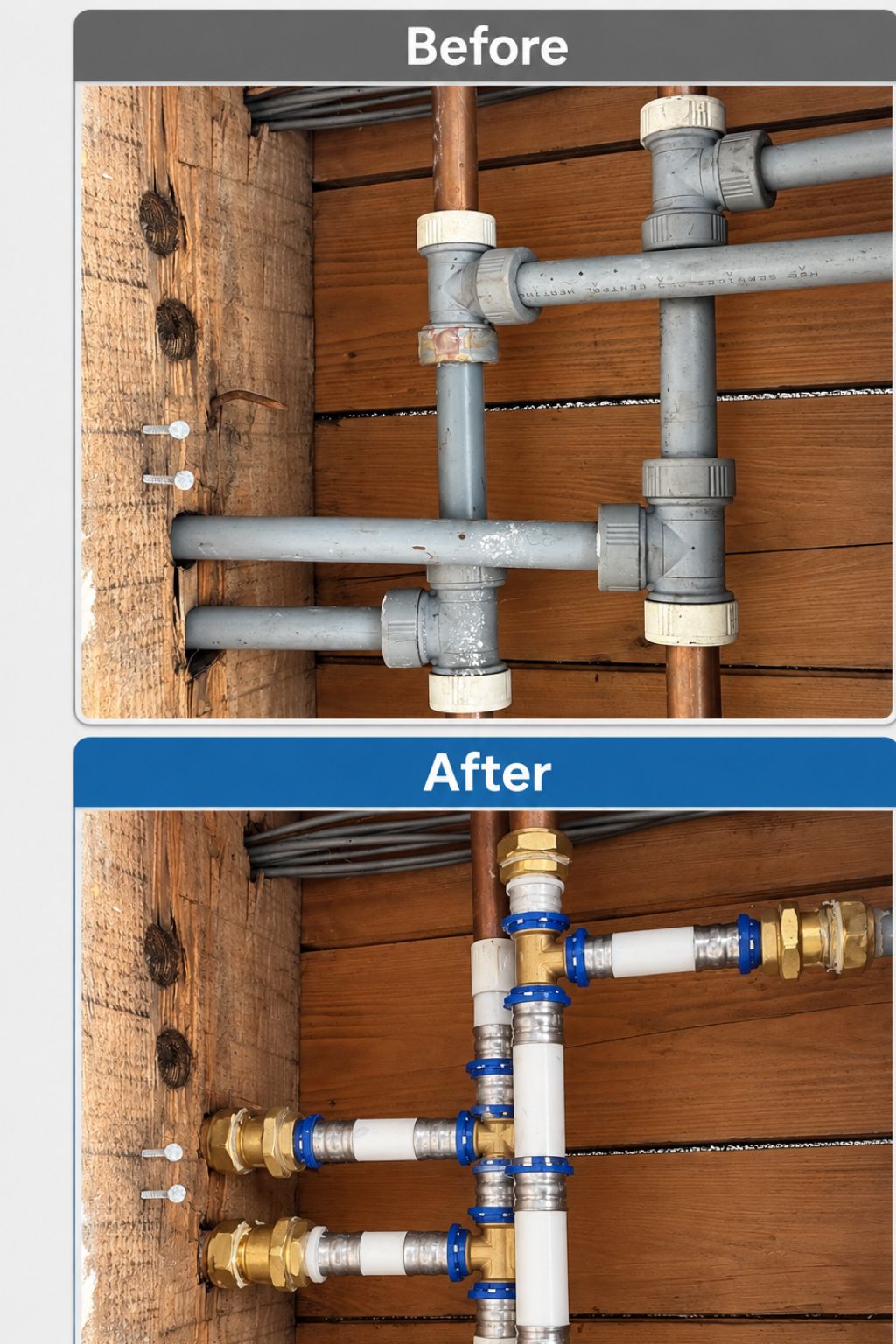
Once the leak has been located, DryZone can access the damaged section and carry out the necessary repair. After the repair, the affected system or circuit is tested to confirm that it is holding pressure correctly before being returned to operation.
For heating systems, it may also be useful to establish why the failure occurred. Where corrosion or poor fluid condition is suspected, additional checks can include pH, corrosion inhibitor levels and a Heating Fluid Health Check.
DryZone’s services include accessing the leak site and repairing the damaged pipe or connection. Restoration of finishes—such as plastering, tiling, flooring, or decorative work—is not included in the scope of services, as DryZone does not perform such work.
What Do You Receive After a Leak Detection Visit?
A leak detection visit should leave you with a clear understanding of what has been found and what needs to happen next.
Following the investigation, DryZone will explain the findings, including the suspected or confirmed source of the leak and any relevant issues identified during the inspection.
Where the leak can be accessed and repaired as part of the service, DryZone can also carry out the necessary repair and test the affected system or circuit afterwards to confirm that it is operating correctly.
You will also receive recommendations on any further work that may be required, particularly where additional plumbing, heating-system maintenance or reinstatement of damaged finishes needs to be arranged.
Where documentation is required for an insurance claim, DryZone can also provide a specialist statement together with an invoice detailing the work carried out. This is available as a separate service.
Why Choose DryZone for Leak Detection?
Finding a hidden leak requires more than simply identifying where moisture is visible. DryZone takes a systematic approach to locating the source, understanding the cause and determining the most appropriate next step.
- Multiple diagnostic methods
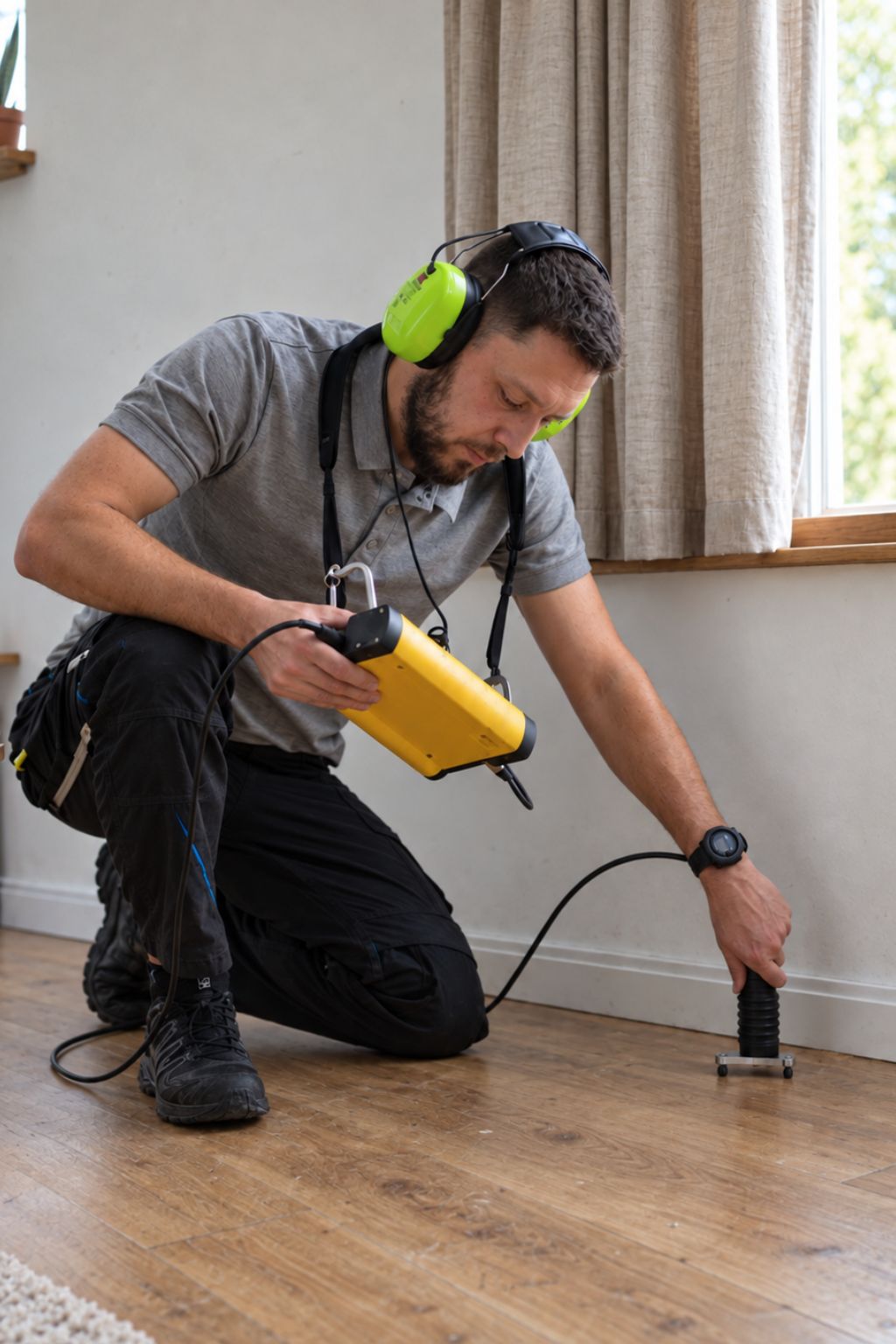
We use a combination of thermal imaging, acoustic detection, moisture measurement, inspection cameras and pressure testing depending on the type of system and the suspected leak. - Minimal unnecessary disruption
Our priority is to narrow down the problem as accurately as possible before opening floors, walls or ceilings. - Leak detection and repair
Where appropriate, DryZone can move from locating the leak to accessing and repairing the damaged section, reducing the need to involve separate contractors for the plumbing or heating repair itself. - Experience with heating systems
We investigate pressure loss, concealed heating pipework and underfloor heating leaks, with an understanding of factors such as corrosion, fluid condition and system pressure. - Testing after repair
Once the damaged section has been repaired, the affected system or circuit can be pressure-tested before being returned to operation.
We also explain the findings clearly and are upfront about the limitations of the service. Where required, a specialist statement and invoice for insurance purposes can be provided as a separate service.
Leak Detection Service Areas
DryZone, based in Shannon, provides professional leak detection services throughout County Clare and County Limerick.
Upon request, we also serve selected towns and villages in the Galway and Tipperary regions.
If you’re not sure whether we cover your area, just send us a message and we’ll confirm availability.

FAQs
In many cases, yes. DryZone uses non-invasive diagnostic methods such as thermal imaging, moisture measurement, acoustic detection and pressure testing to narrow down the source of a leak before any opening is considered. However, some leaks cannot be confirmed or repaired without access to concealed pipework.
The time required depends on the type of system, the symptoms and how easy the suspected area is to access. Some leaks can be located relatively quickly, while more complex cases may require testing several circuits or areas.
No. Pressure loss can have several possible causes, so the system should be assessed before assuming there is a hidden leak. Leak detection helps determine whether water loss is actually occurring and where the problem may be located.
Yes. Underfloor heating systems can be checked for suspected leaks using suitable diagnostic methods, including pressure testing and other techniques depending on the construction of the system and access available.
You will receive an explanation of the results and recommendations for next steps. DryZone can repair the leak. If necessary, it can also provide a specialized report and an invoice for insurance purposes as a separate service.
In many cases, yes. DryZone can use methods such as thermal imaging, moisture measurement, acoustic detection and inspection cameras to narrow down the suspected leak location without immediately opening large areas. If physical access is required to confirm or repair the leak, this will be explained before further work is carried out.
If the damaged area is accessible and suitable for repair, DryZone can repair the water supply or heating system after locating the leak. The damaged pipe or circuit can then be tested to ensure there are no leaks. DryZone does not perform restoration work on finishing materials such as plaster, tile, or flooring, nor does it provide cosmetic repairs.