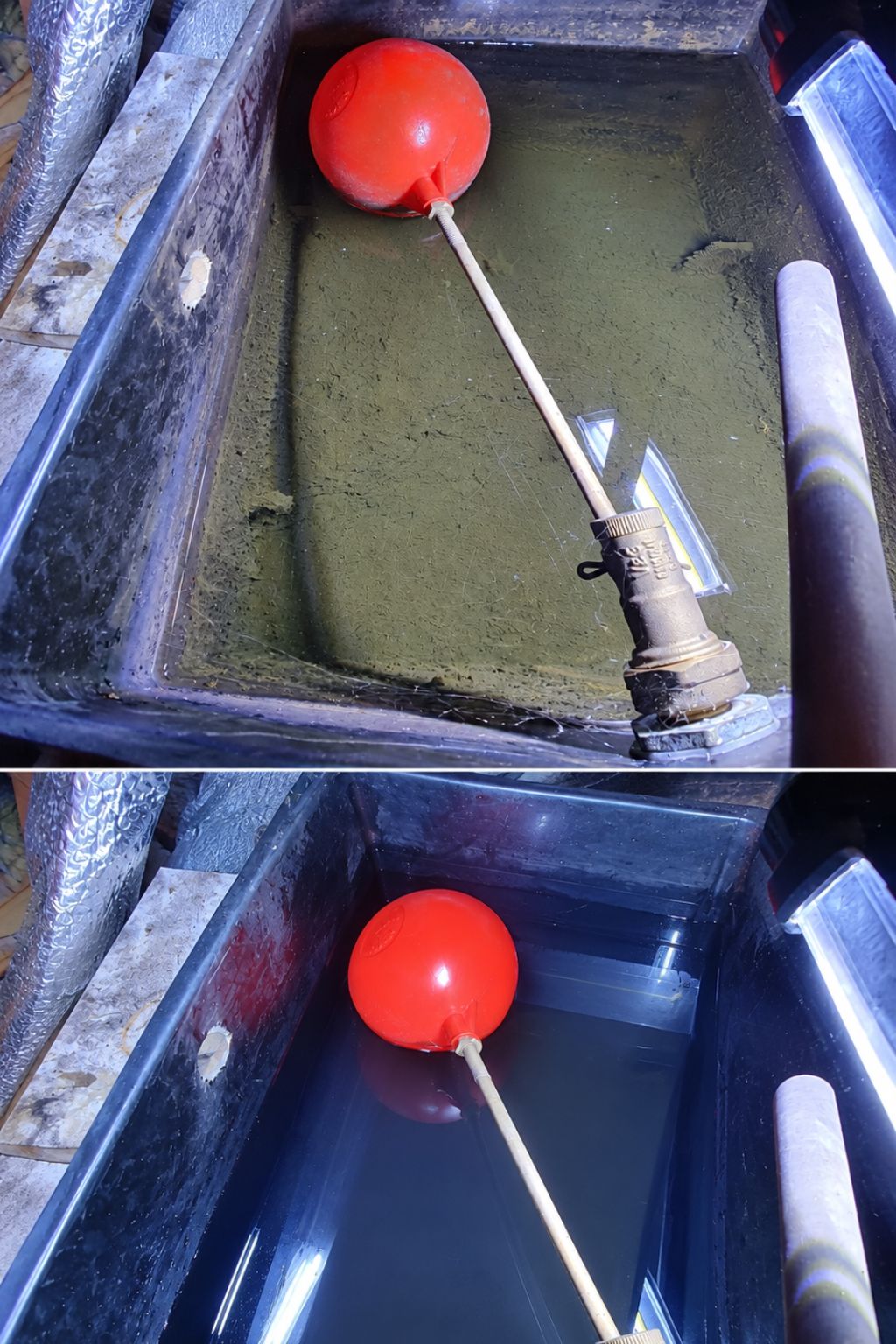
Cold Water Storage Tank Cleaning
DryZone provides professional inspection, cleaning and disinfection of cold-water storage tanks and cisterns for domestic and commercial properties across Clare and Limerick.
We remove sediment, sludge and internal deposits, carry out disinfection where required, and ensure the system is safely returned to normal operation. Our service covers a wide range of cold-water storage systems, with each job tailored to the tank’s condition, construction and accessibility.
Water Storage Systems We Inspect and Clean
Cold-water storage systems vary in design, capacity and installation. DryZone works with different tank configurations, adapting the cleaning approach to each system’s construction and accessibility.
Open-Vented Cold Water Storage Cisterns
Traditional attic and loft tanks, typically supplied through a mains-fed float valve. These cisterns may supply cold-water outlets and feed vented hot-water cylinders.
Enclosed Cold Water Storage Vessels
Enclosed or covered storage tanks used in domestic and commercial water systems. Although their construction can reduce exposure to external contamination, internal deposits and stagnant water may still require attention.
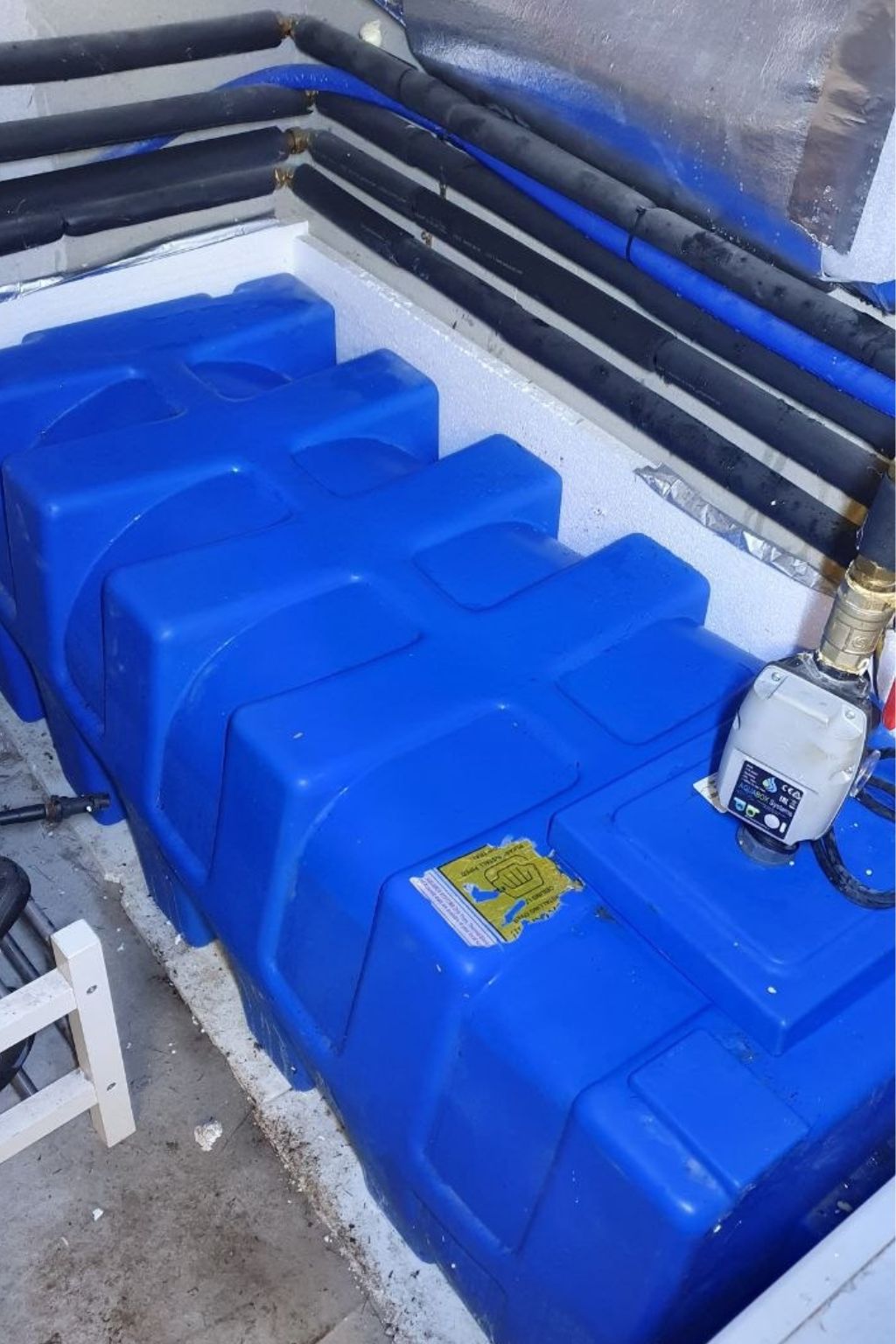
Fortic and Combination Units
Combined units containing separate cold-water storage and hot-water sections within one assembly. DryZone can clean both sections, although hot-water cylinder cleaning is treated as a separate service with its own scope and cost.
Systems Connected to Hot-Water Cylinders
We also inspect and clean cold-water storage tanks associated with vented hot-water systems. Cleaning of vented and unvented hot-water cylinders is available separately and is not automatically included in cold-water tank cleaning.
The suitability of each tank for cleaning is assessed individually, taking account of its size, condition and accessibility. Very large tanks requiring internal entry are outside our service scope.
System Inspection Before Cleaning
Before cleaning begins, DryZone carries out a technical inspection to assess the tank’s condition, identify potential faults and determine the appropriate scope of work. This helps establish whether cleaning alone is sufficient or whether additional measures may be needed.
During the inspection, we assess:
- Tank construction and accessibility: Material, storage capacity, internal surfaces, access openings and drainage arrangements.
- Water supply and circulation: Operating water level, inlet and outlet positions, float valve operation, water turnover and potential stagnation.
- Protective components: Tank lid, vents, screens, overflow and warning pipes, insulation and possible heat exposure.
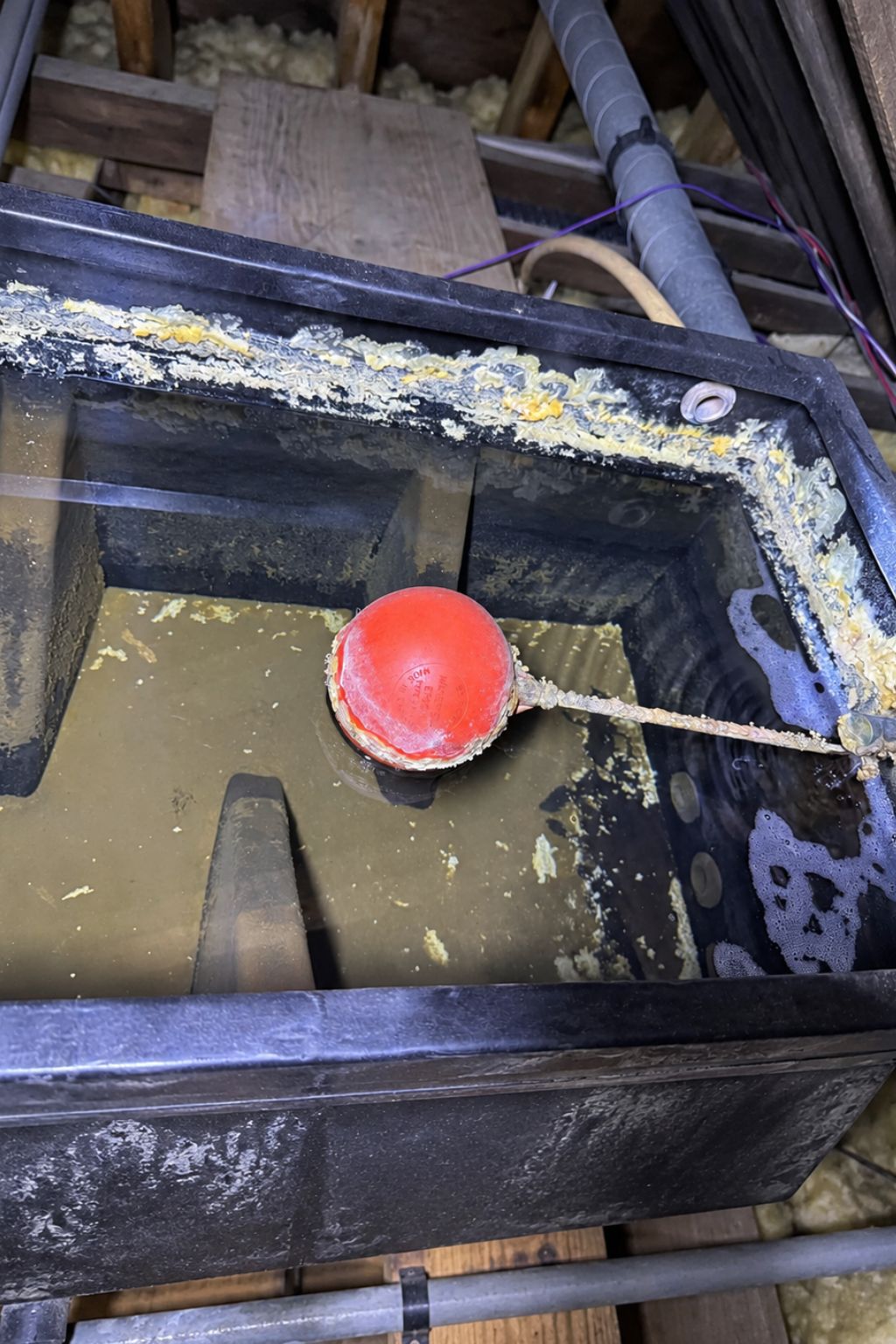
- Internal condition: Sediment, sludge, scale, corrosion products, visible biofilm, deposits and the condition of accessible fittings.
- Connected systems: Relationships with other storage tanks, hot-water cylinder feeds and downstream water services.
The findings help us determine the necessary cleaning procedure and identify any defects or system conditions that may require separate corrective work.
Conditions Requiring Cleaning or Remedial Action
Not every storage tank requires immediate cleaning. The need for maintenance depends on its condition, the nature of any contamination and whether underlying system defects could allow problems to develop or return.
Physical Contamination
Accumulated sediment, sludge, rust, scale and other deposits can compromise water quality and tank hygiene. Significant build-up may require physical removal rather than simple flushing.
Microbiological and Stagnation Concerns
Visible biofilm, organic deposits or prolonged periods of low water use may indicate conditions favourable to microbial growth, including Legionella bacteria. Stagnation combined with elevated water temperatures can increase the risk of Legionella proliferation within the water system. These findings may justify further hygiene assessment, microbiological water testing and, where appropriate, disinfection.
External Contamination
Damaged or missing lids, unprotected openings and poorly screened vents can allow insects, dust and debris to enter stored water. Cleaning alone will not prevent recurrence unless the source of contamination is addressed.
Hydraulic and Storage Design Issues
Oversized tanks, poorly arranged inlet and outlet connections or redundant storage sections can result in inadequate water turnover. Correcting these conditions may be necessary to reduce persistent stagnation.
Temperature-Related Risks
Excessive heat gain from nearby heating equipment, inadequate insulation or unsuitable installation conditions can raise stored cold-water temperatures, creating additional water hygiene concerns.
The appropriate response depends on the inspection findings and may involve cleaning, corrective work or a combination of measures. Where contamination is suspected, professional water testing can help determine whether additional treatment or verification is necessary.
Choosing the Appropriate Treatment
Based on the inspection findings, DryZone determines whether physical cleaning, disinfection or remedial work is required. These procedures serve different purposes and may be carried out individually or together, depending on the system’s condition.
Physical cleaning
restores the cleanliness of the tank’s internal surfaces, disinfection provides additional hygienic treatment where necessary, and remedial work addresses technical defects. Any additional work is assessed and agreed with the customer separately.
Technical Cleaning and Disinfection Process
DryZone follows a structured cleaning process tailored to the tank’s construction, condition and connected water system.
| Process | Description |
|---|---|
| System Isolation & Drain-Down | Isolate the relevant water supply and safely drain the tank. |
| Deposit Removal | Remove residual water, loose deposits and accumulated material. |
| Internal Cleaning | Clean accessible internal surfaces using methods suitable for the tank material. |
| Rinsing & Inspection | Rinse the tank and inspect the cleaned surfaces. |
| Disinfection (Where Required) | Disinfect the tank and connected pipework and outlets, controlling disinfectant concentration and contact time. |
| System Flushing | After disinfection, flush treated sections and verify that residual disinfectant has been adequately cleared. |
| Recommissioning | Refill the tank, restore the water supply and perform final operational checks. |
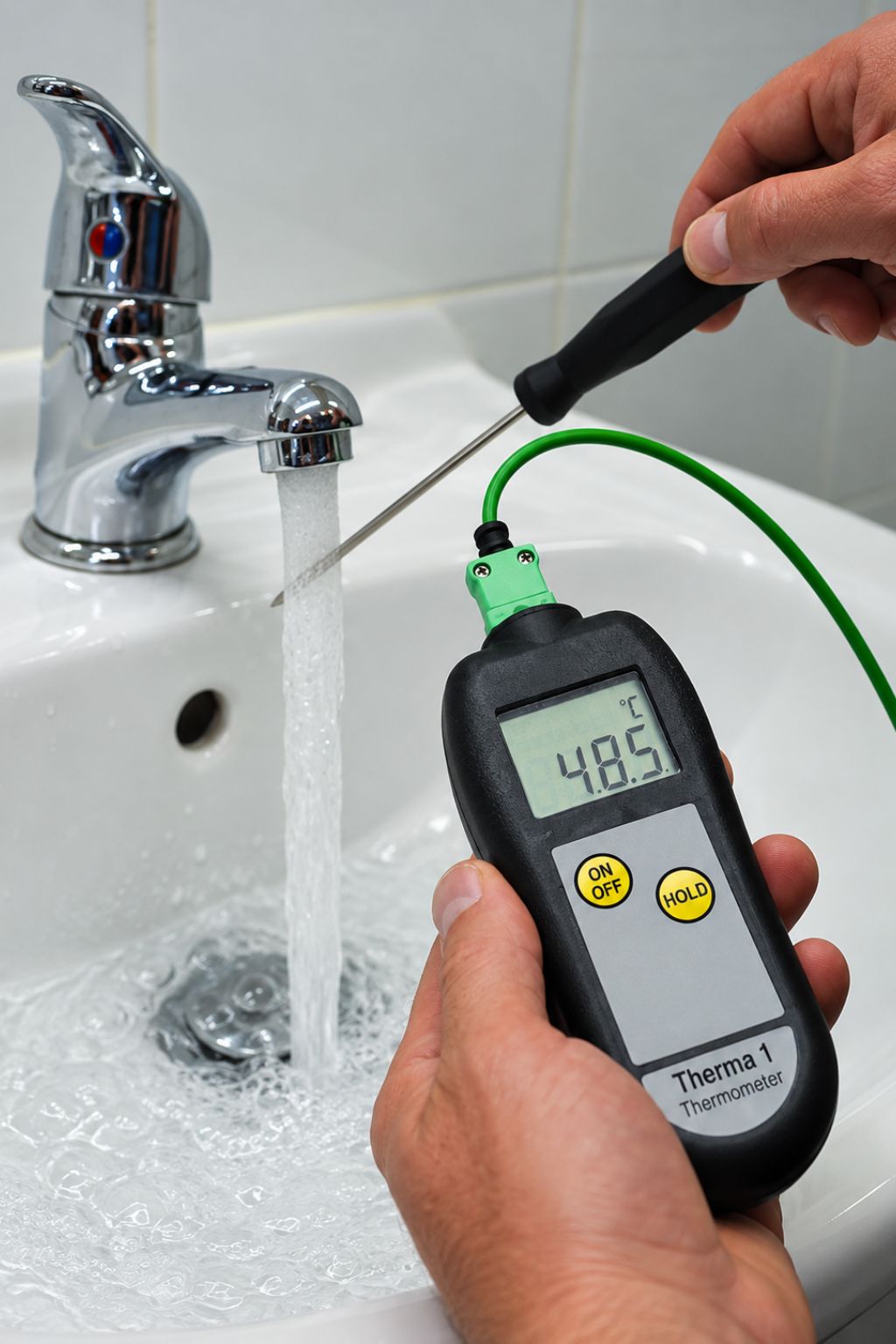
Final System Checks Before Handover
Before returning the system to normal use, DryZone carries out final checks to confirm that the tank and its connected components are operating correctly following cleaning or disinfection.
These checks include:
- Water Level & Controls: Stable operating water level and correct float valve shut-off.
- Connections & Water Flow: No visible leaks, functioning overflow arrangements and normal water flow to connected services.
- Tank Protection: Covers, protective screens and insulation correctly reinstated.
- Water Temperature: Cold-water temperature checked where required.
- Disinfection Verification: Where chemical disinfection has been performed, relevant outlets are flushed and residual disinfectant levels checked before the system is returned to use.
Any outstanding defects or operational concerns are recorded and communicated to the customer.

Water Testing After Cleaning or Disinfection
Laboratory water testing is not automatically required after every routine tank cleaning. However, in certain circumstances, testing can provide valuable information about the microbiological condition of the water system and the effectiveness of corrective treatment.
Water testing may be recommended when:
- Microbiological contamination is suspected or has previously been confirmed.
- Previous laboratory results have indicated unsatisfactory water quality.
- Disinfection has been carried out to address an identified contamination problem.
- Documented verification is required as part of a water hygiene management programme.
Where appropriate, DryZone can arrange sampling and laboratory analysis through our Water Testing Laboratory. Testing is agreed separately according to the system’s condition and the purpose of the investigation.

Inspection Frequency and Cleaning Requirements
Regular inspection helps maintain the condition and hygiene of cold-water storage systems. However, inspection does not automatically mean cleaning is required. The appropriate maintenance schedule should reflect the system’s actual condition and operating requirements.
| Assessment Factor | What Determines Inspection Frequency |
|---|---|
| Property Type & Use | Domestic, commercial and managed properties may have different inspection and maintenance requirements. |
| Water Consumption | Occupancy levels, seasonal use and extended periods of low water demand can influence inspection frequency. |
| System Configuration | Storage capacity, water turnover and the arrangement of connected systems affect maintenance needs. |
| Maintenance History | Previous inspection findings, cleaning records and laboratory test results help determine future requirements. |
| Water Hygiene Compliance | Site-specific water hygiene procedures and Legionella control programmes may require scheduled inspections and documented checks. |
DryZone can recommend an appropriate inspection schedule based on the individual property and system. Planned maintenance programmes are also available, with the scope and frequency of visits agreed according to the property’s requirements.
Service Records and Technical Findings
Proper documentation provides a clear record of the work completed and helps property owners, landlords and facility managers maintain an accurate service history.
Depending on the agreed scope and customer requirements, DryZone can provide:
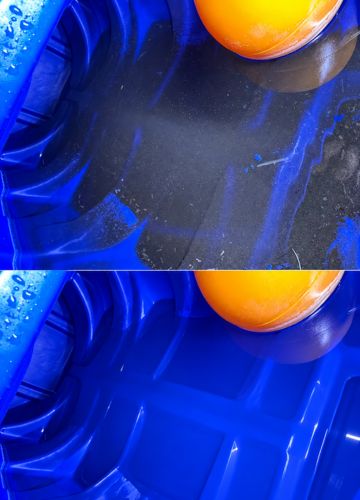
- Photographic Evidence: Before-and-after photographs documenting the tank’s condition and cleaning results.
- Service Records: Identification of the system serviced, work completed and any disinfection procedures performed.
- Technical Findings: Engineer’s observations, relevant measurements and any outstanding defects.
- Recommendations: Proposed corrective actions or future maintenance requirements.
- Laboratory Results: Water testing reports where sampling and analysis have been arranged separately.
- Supporting Documents: Detailed invoices, engineering reports and relevant documentation for insurance purposes where required.
Cold Water Storage Tank Cleaning
Based in Shannon, DryZone provides professional cold-water storage tank inspection, cleaning and disinfection services across County Clare and County Limerick.
We also cover selected towns and villages in Galway and Tipperary upon request.
If your property is outside our main service area, contact us to check availability.

FAQs
Standard cold-water tank cleaning starts from €300. The final cost depends on the tank’s size, location, accessibility and the work required. Additional disinfection, repairs or cleaning of connected systems may be priced separately.
The duration depends on the tank’s capacity, accessibility and internal condition. Additional time may be needed for disinfection or more complex installations. DryZone can provide a more accurate estimate once the system has been assessed.
Yes, the affected part of the water system must be isolated and drained during cleaning. The extent of the interruption depends on how the property is supplied and which services are connected to the tank. We assess this before starting work to help minimise disruption.
No. DryZone handles the isolation, draining and cleaning process. Customers should ensure that safe access to the tank is available and inform us of any known access restrictions before the appointment.
In many cases, yes. However, tanks installed in restricted spaces or behind fixed panels may require additional access arrangements. Each situation is assessed individually, and work may be declined where safe access cannot be provided.
No. Cleaning improves the tank’s physical condition but does not, by itself, confirm that the water meets drinking-water quality requirements. Where there are concerns about water safety, appropriate laboratory testing may be recommended.
That depends on the source of the problem. Cleaning may help when the issue originates from contamination within the storage tank. However, changes in smell, colour or taste can also result from pipework, incoming water quality or other parts of the system, which may require separate investigation.